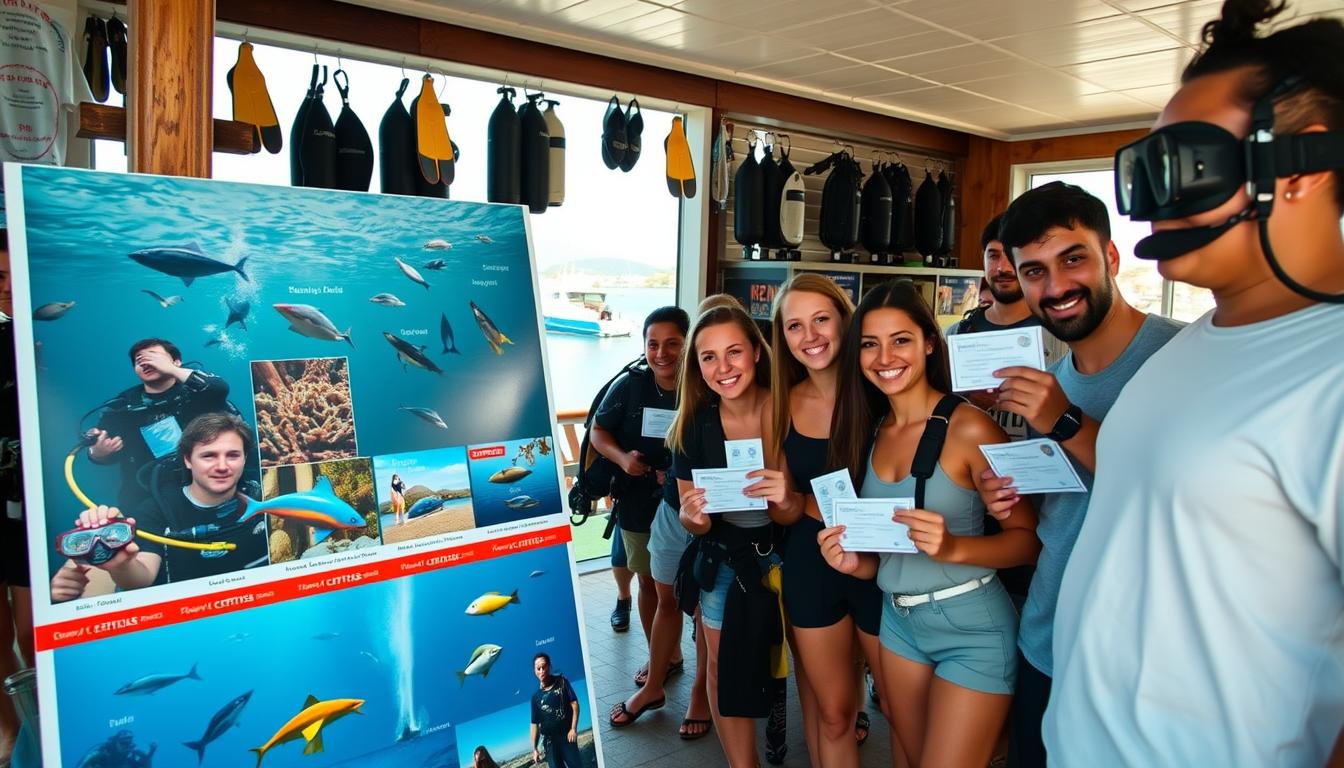
Embarking on the journey to become a certified scuba diver opens up a world of underwater adventure. The certification process follows a structured approach designed to build confidence and ensure safety.
Entry-level programs consist of three main components. These include theoretical knowledge, practical skill development, and real-world application. This comprehensive method prepares individuals for safe underwater exploration.
The complete educational journey typically requires 20-30 hours of instruction. Students also complete 8-12 hours of independent study. Programs can be completed in 3-5 days at resort locations or spread over several weeks for local participants.
Aspiring participants must meet basic requirements. The minimum age for most programs is 10 years old. All candidates complete a medical questionnaire and demonstrate basic swimming comfort before beginning their underwater education.
This performance-based approach means certification is earned by demonstrating competence rather than simply completing time requirements. The structured methodology ensures each individual develops essential skills and knowledge.
Key Takeaways
- Scuba certification follows a three-phase approach combining theory, practice, and real-world application
- The complete educational process typically takes 20-30 hours plus additional independent study
- Program scheduling is flexible, ranging from 3-5 days at resorts to several weeks for local students
- Minimum age requirement is 10 years, with special certifications available for younger participants
- All candidates must complete a medical questionnaire and demonstrate basic swimming ability
- Certification is performance-based, focusing on demonstrated competence rather than time completion
- Successful completion results in internationally recognized credentials for safe underwater exploration
Understanding Dive Training Fundamentals
The core principles of scuba instruction establish a framework that prioritizes safety while developing practical abilities. This competency-based approach ensures each participant masters essential techniques before progressing.
Fundamental education covers critical physics concepts like pressure effects on air spaces. Understanding gas absorption and proper breathing techniques forms the foundation of safe underwater exploration.
| Fundamental Concept | Practical Application | Safety Implication |
|---|---|---|
| Pressure Changes | Equalization Techniques | Prevents Barotrauma |
| Buoyancy Control | Proper Weighting | Maintains Position |
| Gas Management | Air Consumption Monitoring | Ensures Adequate Supply |
“The best education focuses on practical understanding rather than complex theory. Divers learn what happens underwater and how to respond appropriately.”
Recreational programs prepare individuals for low-stress environments using familiar equipment. Participants develop confidence within clearly defined depth parameters.
Essential abilities include equipment maintenance and environmental awareness. These skills protect fragile ecosystems while ensuring personal safety.
The approach emphasizes accessibility for diverse participants. No advanced academic background is required, making underwater adventures available to many enthusiasts.
Building strong fundamentals enables informed risk assessment and continuous skill development. This foundation supports lifelong enjoyment of aquatic exploration.
How Dive Training Works – Key Components
Scuba education follows a structured three-part methodology designed to build skills progressively. Each component serves a specific purpose in developing competent underwater explorers.
Knowledge development forms the initial phase. Students learn essential principles including physics, equipment function, and safety procedures. This theoretical foundation prepares them for practical application.
Confined water sessions represent the second critical part. Participants practice essential techniques in controlled pool environments. Mastering skills in shallow water builds confidence before open water exposure.
The final component involves real-world application during open water dives. Students demonstrate competence while exploring actual underwater environments. Instructor supervision ensures proper skill execution throughout this phase.
Program scheduling varies based on facility availability and location. Some operations integrate all three parts flexibly throughout the course. Others deliver training sequentially over consecutive days.
Regardless of approach, each component builds upon the previous one. This systematic method creates well-prepared divers ready for independent underwater adventures.
Dive Theory and Knowledge Development
Knowledge development serves as the critical first step in any quality diving education program. This educational foundation covers essential concepts without requiring advanced academic backgrounds.
Classroom Learning and eLearning Approaches
Modern scuba courses offer flexible learning options. Traditional classroom sessions have evolved into convenient eLearning platforms.
Students can now complete theoretical components at their own pace. This approach maximizes valuable in-water instruction time with certified professionals.
Basic Physics, Physiology, and Environmental Awareness
The physics component focuses on practical pressure concepts. Divers learn how air spaces respond during descent and ascent.
Physiological education covers proper breathing techniques and body responses. Understanding nitrogen absorption and avoiding breath-holding are crucial safety elements.
Equipment knowledge ensures proper use of essential scuba gear. Environmental awareness training teaches responsible interaction with marine ecosystems.
This comprehensive development phase concludes with assessments. Successful completion demonstrates readiness for practical skill training.
Practical Confined Water Skill Training
Pool-based training provides the essential bridge between theoretical knowledge and open water diving. This phase occurs in controlled environments with excellent visibility and calm conditions.
Your instructor follows a structured approach for each session. They brief you on specific skills, demonstrate proper techniques, then supervise your practice. Repetition continues until you perform each skill comfortably without assistance.
Pool-Based Skill Development
Initial sessions typically begin in shallow water where you can stand. This allows nervous beginners to acclimate gradually. Simply standing up provides immediate comfort if needed.
Essential safety drills include emergency air sharing and regulator recovery. Practical skills cover mask clearing, buoyancy control, and proper fin techniques. Mastering these fundamentals in the pool directly translates to open water confidence.
Mastering Safety Drills and Buddy Systems
The buddy system forms a cornerstone of diving safety. Confined water training emphasizes partner procedures and communication. You’ll practice pre-dive checks, visual contact maintenance, and standard hand signals.
“Students should never hesitate to request extra practice time. Thorough skill mastery in the pool ensures safety during real dives.”
Modern instruction emphasizes performing skills while hovering mid-water. This approach develops better buoyancy control than kneeling on the bottom. The progression from stationary to mobile skill execution builds comprehensive competence.
Real-World Open Water Dive Application
Natural aquatic environments provide the ultimate testing ground for newly acquired scuba abilities. This phase transitions students from controlled pool settings to actual underwater conditions.
Checkout dives typically involve four to six sessions over multiple days. Depths may reach 18 meters (60 feet), where quick surfacing becomes unsafe. Your instructor supervises each open water experience closely.
Assessing Skills in a Controlled Open Environment
These dives require demonstrating all previously learned techniques. Buoyancy control, navigation, and emergency procedures must be executed confidently. Real-world variables like currents and marine life add complexity absent from pool training.
Assessment focuses on maintaining control while managing environmental factors. Effective communication using hand signals remains crucial throughout. Students must monitor air supply and respond calmly to simulated problems.
“The open water environment reveals how well students adapt their skills. We look for comfortable, controlled performance despite natural challenges.”
Some programs integrate open water sessions before completing all pool work. This flexible approach accommodates different learning paces. Boat or shore entries provide varied experiences.
These final dives offer the first true underwater exploration opportunity. Participants observe marine ecosystems while practicing safety protocols. Successful completion leads to internationally recognized certification.
Certification Requirements and Medical Fitness
Before entering the water with scuba gear, all candidates must demonstrate basic aquatic comfort and complete a medical screening. These steps ensure everyone begins their underwater education with a solid safety foundation.
The process is straightforward and focuses on capability, not elite athletic performance. Its goal is to confirm you can handle yourself safely in an aquatic environment.
Completing Swimming and Fitness Tests
Two simple exercises assess your water comfort. The first is a continuous swim. The second involves staying afloat for a period of time.
The emphasis is on completing these tasks comfortably, without time pressure. You do not need to be a fast swimmer. You just need to show you can manage the distance and surface time without stress.
| Requirement | Standard Test | Alternative Option |
|---|---|---|
| Swim Distance | 200 meters (any stroke) | 300 meters (with mask, fins, snorkel) |
| Surface Float | 10 minutes (treading water or floating) | |
| Time Limit | None – comfort is key | |
Medical fitness is confirmed through a questionnaire. This form screens for conditions like heart or lung issues that could be risky underwater.
If you answer “no” to all questions, you sign the form and proceed. If any conditions apply, a doctor must provide clearance confirming you are fit for this activity.
This vital screening protects you and your future dive buddy. Successfully passing these checks, along with the course skills, leads to your final certification.
Essential Dive Equipment and Gear Selection
Selecting the right scuba equipment transforms your underwater experience from functional to fantastic. Personal gear choices significantly impact comfort and performance during aquatic adventures.
Many enthusiasts begin with mask, snorkel, and fins. These items require precise personal fit for optimal function. Proper sizing prevents leaks and ensures efficient movement.
Choosing the Right Mask, Fins, and Regulator
The mask creates an air pocket for clear vision underwater. It must seal comfortably against your face without pressure points. Modern designs offer various frame styles and lens options.
Fins provide propulsion with minimal effort. They come in full-foot or adjustable strap designs. Stiffness levels suit different swimming styles and water conditions.
The regulator delivers breathing air from your tank. This critical piece of scuba gear reduces high-pressure air to ambient pressure. Modern regulators offer smooth, effortless breathing.
| Equipment Type | Primary Function | Key Features |
|---|---|---|
| Mask | Clear underwater vision | Comfortable seal, tempered glass |
| Fins | Efficient propulsion | Adjustable straps, blade stiffness |
| Regulator | Breathing air delivery | Easy inhalation, backup second stage |
Understanding Buoyancy Devices and Computers
Buoyancy control devices (BCDs) are inflatable vests. They allow precise depth control through air adjustment. Proper buoyancy management creates weightless hovering.
Dive computers monitor depth, time, and nitrogen absorption. They calculate safe bottom times automatically. This essential safety gear replaces manual dive tables.
Owning personal scuba gear enhances convenience and familiarity. Well-fitted equipment makes every dive more enjoyable. It represents an important part of becoming an active diver.
Safety Considerations and Risk Management
Underwater adventures demand comprehensive safety planning that addresses environmental variables and personal preparedness. Four key factors influence diving safety: the aquatic environment, equipment reliability, individual behavior, and team performance.
Each element requires careful management to minimize potential hazards. Proper risk assessment helps divers make informed decisions before entering the water.
| Safety Factor | Key Considerations | Risk Mitigation |
|---|---|---|
| Environment | Water conditions, visibility, currents | Pre-dive assessment, proper planning |
| Equipment | Reliability, maintenance, function | Regular checks, proper configuration |
| Individual | Skills, fitness, mental state | Honest self-assessment, training |
| Team | Communication, coordination, buddy system | Clear protocols, practice drills |
Evaluating Environmental Conditions
Before any aquatic activity, assess water temperature, visibility, and current strength. Check weather forecasts and marine conditions. These factors determine if the environment matches your experience level.
The underwater world can create physical and mental stress. Pressure changes and limited visibility require proper preparation. Always choose conditions similar to your certification training.
Emergency Procedures and Contingency Plans
Establish clear emergency protocols before entering the water. This includes buddy assignments, communication signals, and separation procedures. Know your exit points and surface support arrangements.
Training covers various emergency scenarios. These include air supply issues, equipment failures, and medical situations. Regular practice ensures confident response when needed.
The buddy system remains the primary safety mechanism. Buddies monitor each other’s air supply and provide assistance. This partnership ensures everyone returns safely to the surface.
Selecting the Right Dive Shop and Instructor
The quality of your scuba certification experience depends heavily on selecting the right learning environment and teacher. This choice impacts safety, enjoyment, and skill development throughout your aquatic education.
All reputable dive shops follow standardized requirements from agencies like PADI, SSI, or NAUI. This ensures consistent baseline quality regardless of location. However, individual instructor expertise and facility conditions can vary significantly.
Seek recommendations from friends or read online reviews. These insights reveal teaching styles, class sizes, and overall satisfaction. Finding a quality dive shop involves asking key questions about included materials and equipment requirements.
Inquire about student-to-instructor ratios. Smaller classes mean more personalized attention during confined and open water sessions. Also ask where training dives occur—local sites versus tropical destinations offer different experiences.
Consider the shop’s facilities and ongoing support. Full-service centers provide equipment sales, maintenance, and continued education opportunities. While price matters, comprehensive programs with quality instruction deliver better value than minimal, rushed courses.
Your chosen instructor’s qualifications and enthusiasm greatly influence your learning. Experienced educators with specialty ratings often provide richer training experiences. Local dive shops also offer convenient ongoing support for your diving journey.
Benefits of eLearning for Dive Courses
The integration of eLearning into dive certification programs offers unprecedented scheduling flexibility. Students can now complete theoretical components before arriving for practical sessions. This approach maximizes valuable in-water instruction time.
Online learning allows participants to study at their own pace from any location. Busy individuals appreciate the ability to fit course materials around work and family commitments. The self-paced nature accommodates different learning speeds effectively.
Completing knowledge development in advance enables immediate focus on hands-on skills. Students arrive with theoretical foundations already established. This efficiency makes condensed certification program schedules possible.
Modern eLearning platforms incorporate interactive videos and animations. These tools enhance understanding of complex concepts through multiple learning modalities. Knowledge reviews ensure thorough comprehension before practical application.
Instructors benefit significantly from this educational model. They dedicate more time to teaching practical scuba skills rather than delivering classroom lectures. This shift allows for personalized coaching and enhanced safety oversight.
For those considering certification, online diving courses provide an excellent starting point. The flexibility and efficiency make underwater education more accessible than ever before.
Sequential vs. Integrated Training Approaches
Dive centers structure their certification programs in two primary ways to accommodate different logistical realities. The chosen approach directly impacts the student’s daily schedule and learning flow.
Structured Scheduling Based on Local Logistics
Facility availability is the main factor determining a program’s structure. A sequential approach delivers knowledge development, confined water skills, and open water dives in strict order.
This method is common when a pool, boat, or classroom is only available on specific days. A typical schedule might dedicate one day to theory, another to the pool, and the final two days to open water assessment.
An integrated approach mixes these components throughout the program. This flexibility is possible when a center has easy access to all necessary facilities.
Students might complete a morning classroom session followed by an afternoon in the pool. Some open water dives could even occur before finishing all confined water skills.
| Approach | Ideal For | Schedule Example |
|---|---|---|
| Sequential | Centers with limited facility access | Day 1: Knowledge, Day 2: Pool, Days 3-4: Open Water |
| Integrated | Centers with full, convenient facilities | Mixed theory, pool, and open water sessions over 3-4 days |
Both approaches meet the same rigorous agency standards. The quality of education remains high regardless of the scheduling method. A condensed three-day course does not mean components were skipped, especially with eLearning completed beforehand.
Local factors like weather, tides, and instructor availability also shape the final schedule. The goal is always to provide comprehensive, safe instruction that fits the local context.
Advanced Dive Skills Development and Further Education
Your initial certification is just the beginning of a lifelong underwater journey. Advanced skill development opens exciting new possibilities for exploration and mastery.
Specialty courses allow divers to focus on specific interests. These include deep diving, wreck exploration, night diving, and underwater photography. Each course builds specialized competence in unique environments.
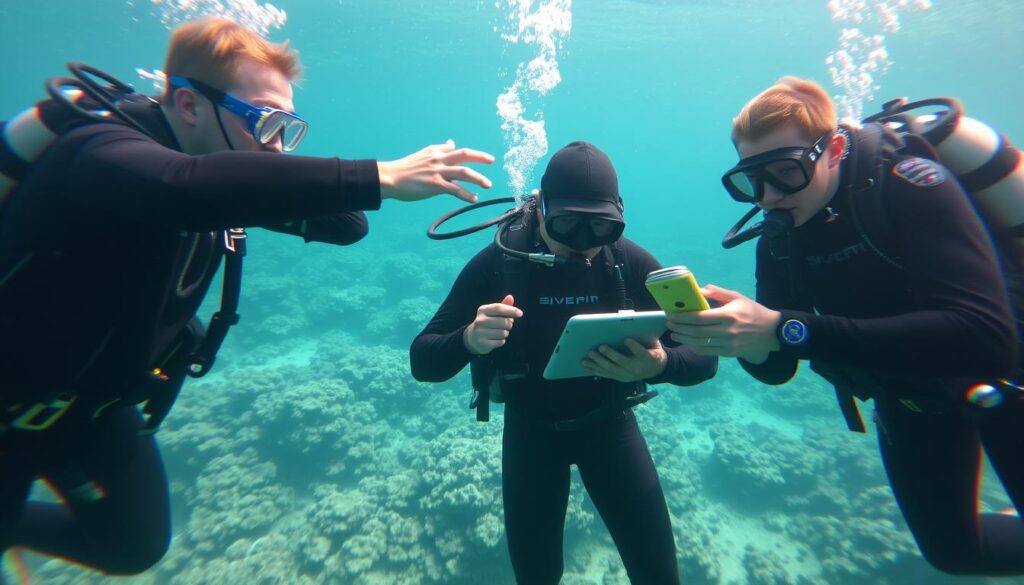
The Advanced Open Water Diver certification typically follows entry-level completion. This program involves five dives covering different specialties. Deep diving and navigation form the core components, with elective dives matching personal interests.
Experience remains crucial for true skill development. Newly certified individuals should accumulate dives in familiar conditions first. Gradually building comfort leads to greater confidence in challenging environments.
“Advanced education transforms occasional divers into skilled underwater ambassadors. The journey from basic certification to mastery creates lifelong enthusiasts.”
Refresher courses help inactive divers regain essential skills after breaks. These programs review fundamental techniques before supervised open water practice. They prevent skill deterioration during periods of inactivity.
Professional pathways begin with Divemaster training for industry careers. Progress continues through Assistant Instructor and full Instructor levels. Specialty instructor ratings represent the highest achievement levels.
Different agencies follow distinct educational philosophies. Some emphasize comprehensive development in fewer courses. Others offer numerous shorter specialty programs. Both approaches provide valid paths to advanced competence.
Continuing education creates active diving community members. These enthusiasts explore local environments and participate in conservation efforts. They build lasting friendships within the global diving world.
Conclusion
Achieving scuba certification represents more than just earning a card—it’s gaining access to Earth’s final frontier. This educational journey provides the essential knowledge and skills for confident underwater exploration.
Every certification program follows strict international standards. This ensures newly certified divers possess fundamental competence for safe aquatic adventures. The investment delivers excellent value compared to other adventure sports.
Your certification marks a beginning, not an ending. It opens pathways to advanced education, specialty skills, and exotic destinations worldwide. The diving community welcomes new members into a global fellowship of enthusiasts.
Safety remains paramount throughout your diving experience. Proper education, equipment maintenance, and honest self-assessment form the foundation of every successful underwater journey.
Approach your education with commitment and patience. The goal is genuine competence, not just quick certification. This transformative experience will create lifelong memories and friendships.