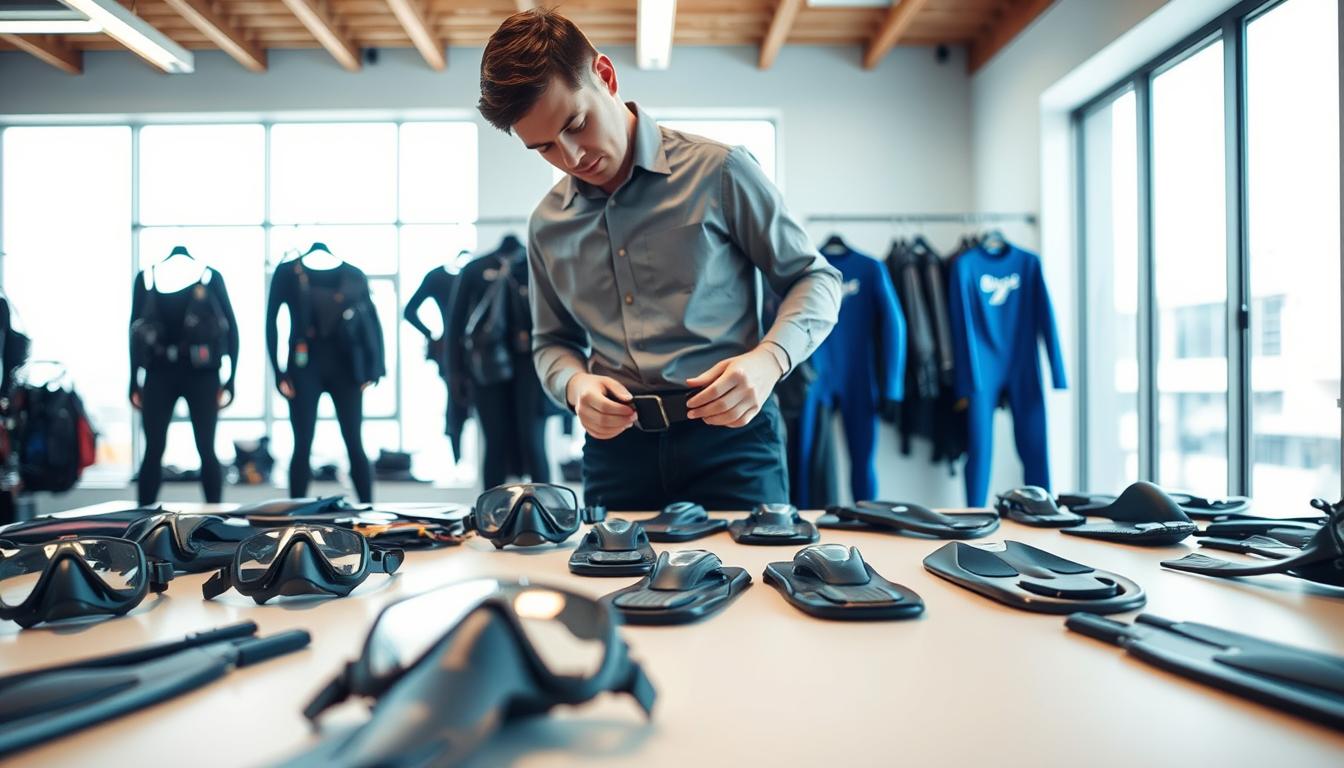
Investing in your own scuba diving setup is a big step. It can transform your underwater adventures. Moving away from rental gear gives you comfort, familiarity, and confidence.
This guide is for anyone ready to build their personal kit. We cover everything from the first essentials to advanced technology. Our goal is to help you make smart decisions that fit your budget and diving style.
Your safety and enjoyment depend heavily on the gear you use. The right selections work with you, not against you. We provide a clear path based on real-world experience and expert insights.
You will learn how to prioritize purchases for your specific needs. We discuss different water conditions and how often you plan to explore beneath the surface. Let’s get you geared up for success.
Key Takeaways
- Personal scuba gear significantly improves comfort and safety compared to rental options.
- Your budget, diving frequency, and typical dive conditions are critical factors.
- This guide provides a complete roadmap, from basic masks to advanced dive computers.
- Proper selection enhances your overall experience and confidence in the water.
- Learn how to prioritize which pieces of equipment to buy first for your needs.
- Expert recommendations help you avoid common mistakes when building your kit.
Introduction to Diving Equipment Essentials
Personal scuba gear ownership transforms the underwater experience from temporary rental to permanent partnership. This shift brings consistency and reliability to every dive.
Why Owning Your Own Gear Matters
Rental equipment often varies in quality and maintenance. You never know what condition it will be in. Personal scuba gear ensures consistent performance.
Financial benefits become clear for frequent divers. Rental costs add up quickly over multiple trips. Owning your setup saves money in the long run.
The Role of Comfort and Safety Underwater
Properly fitted gear enhances both comfort and safety. Ill-fitting rental equipment can cause distractions. These distractions compromise your focus underwater.
Familiarity with personal equipment builds confidence. You know exactly how each piece functions. This knowledge improves your overall diving performance.
| Feature | Rental Gear | Personal Gear |
|---|---|---|
| Fit Consistency | Variable | Consistent |
| Hygiene Standards | Shared Use | Personal Only |
| Maintenance Quality | Unknown | Controlled |
| Long-term Cost | Higher | Lower |
| Customization Options | Limited | Extensive |
Key Criteria in Choosing Diving Equipment
Several key considerations come into play when selecting personal underwater gear for your adventures. Your decisions should reflect your specific needs and diving environment.
The selection process involves evaluating multiple factors. Consider your typical underwater conditions, frequency of use, and budget limitations.
Deciding Between Entry-Level and High-End Models
Today’s market offers impressive entry-level gear with features once reserved for premium models. These reliable options work well for most recreational situations.
High-end models excel in challenging conditions like cold water or strong currents. They also provide enhanced durability and comfort features.
Beginners should prioritize proper fit over advanced capabilities they might not yet need. Comfort and functionality matter more than brand prestige when starting out.
Think about the diving type you’ll mostly do. Tropical vacation diving requires different gear than regular cold-water exploration.
Testing various options through rentals or borrowing helps inform your final decision. This approach reduces the risk of making expensive mistakes.
Understanding Diving Suit Options and Thermal Protection
Maintaining body warmth during submersion requires careful consideration of exposure suits. Body heat escapes 25 times faster in water than in air. This makes proper thermal protection essential for safe underwater exploration.
Your comfort and safety depend heavily on selecting the right thermal gear. Different water temperatures demand specific approaches to insulation. The wrong choice can lead to discomfort and reduced dive time.
Exploring Wetsuits Versus Drysuits
Wetsuits work by trapping a thin water layer against your skin. Your body warms this water, creating insulation. They offer flexibility and are ideal for most recreational diving situations.
Drysuits provide complete water isolation from your body. They require special training for proper buoyancy management. This type of suit becomes necessary for extreme cold water conditions.
Choosing the Right Thickness for Your Conditions
Wetsuit thickness directly correlates with water temperature. A 3mm suit works well above 28°C, while 5mm suits suit 24-28°C ranges. Colder conditions demand 7mm thickness or specialized drysuits.
Proper fit makes a significant difference in thermal performance. A well-fitted 5mm wetsuit outperforms a loose 7mm rental. Personal ownership ensures consistent protection across all your diving adventures.
Selecting the Right Mask and Fins for Optimal Visibility and Propulsion
Optimal underwater performance starts with two essential components: a well-fitted mask and appropriate fins. These items directly impact your ability to see clearly and move efficiently beneath the surface.
Your mask creates the air pocket needed for vision, while fins provide the propulsion for exploration. Getting these right transforms your underwater experience from frustrating to fantastic.
Finding the Perfect Diving Mask Fit
A proper mask fit prevents water leakage that can ruin dives. The silicone skirt should seal comfortably without pressure points. Look for tempered glass lenses and easy nose pocket access.
Modern masks feature anti-fog technology that reduces clearing needs. Some models offer prescription options for clear vision without contacts. Testing different masks helps find your ideal size and shape.
Analyzing Fins for Comfort and Efficiency
Fins come in two main styles: full-foot and adjustable. Full-foot models are lightweight for travel but may cause blisters. Adjustable fins with booties provide warmth and protection.
Fin flexibility should match your fitness level. Beginners benefit from medium stiffness that prevents leg strain. Advanced divers may prefer rigid fins for strong currents.
| Feature | Masks | Fins |
|---|---|---|
| Primary Function | Vision clarity | Movement efficiency |
| Fit Importance | Critical for sealing | Essential for comfort |
| Key Considerations | Face shape, lens type | Stiffness, foot pocket |
| Travel Impact | Minimal space | Bulkier item |
| Beginner Priority | Anti-fog, easy clear | Medium flexibility |
Dive Computers and Regulators: Enhancing Underwater Safety
Safety beneath the surface relies heavily on two key technological components. These devices work together to monitor your experience and deliver essential breathing air.
The Benefits of Modern Dive Computers
Today’s dive computers have eliminated manual calculations with dive tables. They track your depth, time, and ascent rate automatically.
Modern units like the Aqualung i330R offer color screens and Bluetooth connectivity. The SUUNTO Zoop Novo provides an affordable, reliable option for beginners.
Personal ownership ensures familiarity with the interface. This prevents confusion that can occur with rental units.
Regulator Performance and Key Specifications
Regulators deliver breathing air and represent a critical investment. Your selection should match your typical water conditions.
Connection types vary between DIN and Yoke systems. DIN screws into tank valves while Yoke clamps around them.
“Balanced first-stage technology is now standard in most modern regulators, ensuring consistent performance at various depths.”
Breathing effort ratings affect price and comfort. Lower ratings mean easier breathing but come at higher costs.
| Feature | Dive Computers | Regulators |
|---|---|---|
| Primary Function | Safety monitoring | Air delivery |
| Key Technology | Depth tracking | Breathing effort |
| Connection Type | N/A | DIN or Yoke |
| Maintenance Needs | Battery replacement | Regular servicing |
| Beginner Priority | Ease of use | Reliable performance |
Buoyancy Control Devices: Achieving Underwater Balance
Your buoyancy control device (BCD) serves as your personal flotation system for precise depth management. This essential piece of gear allows you to maintain neutral buoyancy at any depth. Mastering your BCD transforms your underwater experience from constant adjustment to effortless hovering.
These devices don’t work automatically. Divers must learn to combine lung volume with BCD air adjustments. Personal ownership dramatically improves this skill as you learn exactly how your specific unit responds.
Comparing Jacket and Back-Inflation BCDs
Recreational divers typically choose between two main BCD styles. Jacket-style units wrap air cells around your torso. They provide excellent surface flotation and security that benefits beginners.
Back-inflation models position all buoyancy behind the diver. This design promotes better horizontal trim underwater. Many experienced enthusiasts prefer this streamlined positioning.
| Feature | Jacket BCD | Back-Inflation BCD |
|---|---|---|
| Buoyancy Placement | Around torso | Behind back |
| Surface Stability | Excellent | Requires practice |
| Underwater Trim | Standard | Superior horizontal |
| Ideal For | Beginners, training | Advanced divers, photographers |
| Comfort Factor | Can feel restrictive | More freedom of movement |
Modern BCDs often feature integrated weight pockets. These systems eliminate uncomfortable separate belts. They also allow quick weight release in emergencies while maintaining balanced distribution.
Proper fit remains crucial for any BCD style. A well-fitted unit stays positioned correctly throughout your dive. Testing different models helps determine what works best for your body type and preferences.
Diving Gear Accessories: Enhancing Comfort and Safety
Beyond the core components of your underwater setup, thoughtful accessories can significantly elevate both your protection and enjoyment beneath the waves. These supplementary pieces work alongside your primary gear to address specific situations and improve overall performance.
Must-Have Accessories for Safety
A surface marker buoy (SMB) is essential for boat diving. It alerts surface vessels to your position during ascent. This simple piece of safety equipment prevents potential accidents.
Dive lights serve multiple purposes beyond night exploration. They reveal true colors at depth and help with signaling. A reliable cutting tool provides insurance against entanglement hazards.
Additional Tools to Streamline Your Dive
Organization accessories like clips and retractors keep your gear tidy. They prevent hoses from dragging across sensitive marine environments. This protects both your equipment and underwater ecosystems.
Thermal accessories extend comfortable dive time in cooler waters. A compass remains valuable for navigation in low visibility conditions. Even a basic snorkel can be crucial for surface emergencies.
| Accessory Type | Primary Function | Importance Level | Key Examples |
|---|---|---|---|
| Safety | Emergency preparedness | Essential | SMB, cutting tool, dive light |
| Navigation | Position awareness | Highly Recommended | Compass, surface marker |
| Comfort | Thermal protection | Situation Dependent | Hoods, gloves, booties |
Managing Air Supply: Understanding Regulators and Backup Options
Your ability to breathe comfortably at any depth depends on the sophisticated engineering of your regulator system. This life-support equipment delivers air from your tank with consistent performance throughout your underwater exploration.
A complete regulator set includes four essential components. The first stage attaches directly to your tank valve. The primary second stage serves as your main breathing mouthpiece.
Your backup system consists of an alternate air source, commonly called an octopus. The pressure gauge completes the set by showing your remaining air supply. This configuration ensures safety through redundancy.
Factors Affecting Air Delivery Underwater
Modern regulators predominantly use balanced first-stage technology. This design maintains consistent breathing effort regardless of tank pressure or depth changes. The engineering prevents increased breathing resistance as your air supply diminishes.
Breathing effort ratings significantly impact both comfort and price. Measured in joules per liter, lower ratings indicate easier inhalation. High-performance models like the Aqualung Legend excel in challenging conditions with strong currents.
Water temperature dictates specific regulator requirements. Standard models may malfunction below 14°C (57°F). Cold-water certified regulators prevent freezing and free-flow situations where air releases uncontrollably.
| Regulator Type | Key Features | Ideal Conditions | Important Considerations |
|---|---|---|---|
| Travel/Recreational | Lightweight, affordable | Warm water above 14°C | Limited cold-water capability |
| Performance Balanced | Consistent breathing effort | All temperatures, various depths | Higher cost, superior comfort |
| Cold-Water Specialized | Freeze-resistant, extra ports | Below 14°C, ice diving | Requires specific certification |
Regular maintenance according to manufacturer schedules ensures reliable performance. Professional servicing catches potential issues before they become hazards. This preventative approach maximizes safety during every dive.
When selecting your first regulator, consider connection type (DIN vs. Yoke), temperature range, and breathing specifications. Established brands with proven track records offer reliable options across different price points.
Gear Selection for Different Water Conditions: Warm, Cool, and Cold
The temperature of the water you explore beneath the surface dictates the specific gear needed for safe and comfortable underwater adventures. Your scuba setup must adapt to thermal conditions for optimal performance.
Different aquatic environments demand tailored equipment configurations. This ensures both protection and enjoyment during your underwater experiences.
Recommendations for Tropical Diving
Warm water above 28°C requires minimal thermal protection. A basic 3mm wetsuit or rashguard provides adequate insulation.
Your gear list stays compact for tropical destinations. Lightweight regulators and travel-friendly BCDs work perfectly.
Essential Upgrades for Cold-Water Dives
Cold water below 18°C demands significant equipment changes. Drysuits become necessary for extended comfort and safety.
Specialized regulators prevent freezing in low temperatures. Powerful dive lights enhance visibility in typically murky conditions.
| Feature | Warm Water | Cool Water | Cold Water |
|---|---|---|---|
| Thermal Protection | 3mm wetsuit | 5-7mm wetsuit | Drysuits required |
| Accessory Needs | Minimal | Hood, gloves, booties | Full thermal system |
| Regulator Type | Standard | Balanced | Cold-water certified |
| Visibility Aids | Optional | Recommended | Essential safety gear |
Understanding your primary diving locations prevents unnecessary purchases. It ensures you have appropriate protection for the water conditions you’ll encounter.
How to Test and Rent Gear Before You Buy
Exploring various testing methods can prevent costly mistakes when building your personal dive setup. Hands-on experience with different models reveals what truly works for your body and diving style.
Taking time to evaluate options ensures your investment delivers maximum comfort and performance. This approach transforms guesswork into informed decision-making.
Attending Dive Shows and Equipment Trials
Scuba expos and manufacturer demo days offer exceptional testing opportunities. These events feature try pools where you can test multiple brands side-by-side.
Many dive shops provide fitting sessions for essential items like masks and exposure protection. Borrowing from experienced buddies offers real-world testing in actual conditions.
The second-hand market allows low-risk experimentation. You can purchase used gear and resell it if the fit isn’t perfect.
Documenting your experiences with different models creates valuable comparison data. This systematic approach leads to confident purchasing decisions that enhance your underwater adventures.
Budgeting for Scuba Equipment: Investment Versus Rental Costs
Understanding the economics of scuba ownership versus rental arrangements helps divers make informed financial decisions. The right approach depends on your underwater activity frequency and travel habits.
A complete warm-water scuba set starts around $850 for entry-level options. Cold water exploration requires additional investment for thermal protection.
Breaking Down the Costs of a Complete Dive Kit
Building your personal collection involves significant upfront costs. However, frequent users quickly reach a break-even point compared to rental fees.
Hidden expenses like maintenance and travel baggage fees affect total ownership costs. Quality gear from established brands offers better longevity despite higher initial prices.
| Equipment Type | Warm Water Cost | Cold Water Addition | Priority Level |
|---|---|---|---|
| Mask & Fins | $45-270 | Same | High |
| Exposure Protection | $50-240 | $600-1200 (Drysuit) | High |
| Regulator System | $300-1100 | Cold-water certified | Medium |
| BCD | $200-600 | Same | Medium |
| Dive Computer | $150-750 | Same | Medium |
The second-hand market provides a cost-effective way to start your kit. Always factor in servicing costs for critical items like regulators.
Divers exploring more than twice yearly typically benefit from ownership. This approach spreads investment over time rather than requiring full immediate purchase.
Equipment for Every Diver: Beginners Versus Advanced Needs
The journey from novice to experienced underwater enthusiast involves strategic equipment decisions at each stage. Modern manufacturing has blurred traditional boundaries between entry-level and professional gear.
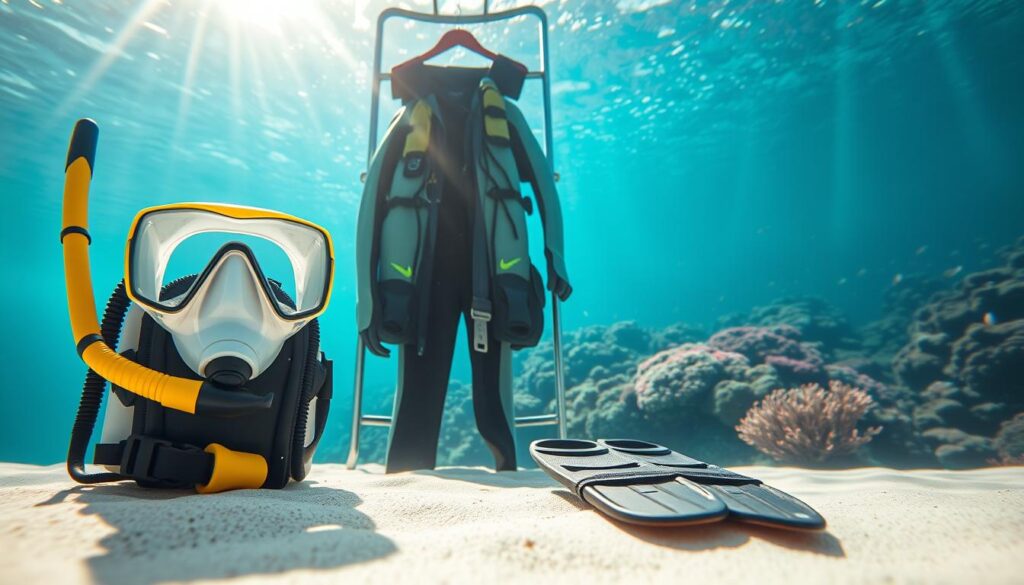
Starter Kits and Essential Entry-Level Gear
New divers benefit from a progressive approach to building their personal kit. The recommended sequence starts with a well-fitted mask and exposure suit.
Fins with moderate flexibility provide adequate propulsion without requiring advanced techniques. This prevents leg strain while developing proper finning skills.
Entry-level regulators from reputable brands offer reliable performance for typical recreational conditions. They handle warm-water environments where most beginners start their scuba diving adventures.
When to Upgrade Your Diving Equipment
Upgrades become necessary when your current gear limits your diving aspirations. Wanting to explore colder waters or deeper sites signals the need for specialized equipment.
Technical diving demands specific gear configurations for safety. These include redundant systems and specialized buoyancy control devices.
| Equipment Category | Beginner Priority | Advanced Priority | Key Considerations |
|---|---|---|---|
| Fins | Medium flexibility | Performance matching conditions | Leg strength development |
| Regulators | Warm-water capable | Environment-specific sets | Dive location variety |
| Exposure Protection | Basic wetsuit | Multiple suit types | Water temperature range |
| Buoyancy Control | Standard BCD | Technical configurations | Dive complexity |
Experienced enthusiasts often maintain both travel-friendly and high-performance setups. They select appropriate gear based on each dive’s specific requirements and conditions.
Travel-Friendly Diving Gear: Portability and Convenience
Frequent travel divers face unique packing challenges when transporting their underwater setup. Airlines charge hefty fees for overweight luggage, making smart gear selection essential. Portable options ensure you have familiar equipment without breaking baggage limits.
Three main bag styles serve different travel needs. Waterproof bags protect electronics on boats and transport wet gear after local dives. Mesh bags organize equipment at dive centers while allowing quick drying.
Selecting the Right Dive Bags and Cases
Travel bags feature roller wheels and telescopic handles for airport navigation. The Cressi Tuna model accommodates long fins while meeting checked baggage size requirements. Quality zippers resist saltwater corrosion for lasting durability.
Optimizing Gear for Frequent Travelers
Lightweight regulators and compact BCDs reduce baggage weight significantly. The Apeks Black Ice performs well underwater but occupies substantial bag space. Many frequent flyers choose travel-specific models instead.
Integrated weight pockets eliminate bulky separate belts since dive centers provide weights. Strategic packing using compression straps maximizes space efficiency. Some travelers rent larger items locally while bringing personal masks and computers.
Conclusion
Building your personal scuba kit represents a journey that grows alongside your underwater adventures. Each piece you select becomes part of your diving identity.
Starting with essential items like masks and fins creates a solid foundation. Gradually adding technical gear makes the process financially manageable over time.
Proper selection directly impacts both safety and comfort during every dive. Thoughtful choices ensure your gear works with you, not against you.
Understanding how water conditions and frequency influence your needs leads to smart decisions. This knowledge helps you build a kit that matches your actual diving lifestyle.
Quality scuba gear pays dividends through improved air consumption and buoyancy control. Your investment translates to more enjoyable time beneath the surface.
For detailed guidance on this process, explore our comprehensive gear selection resource. Remember that fit and familiarity matter more than brand names.
Your equipment should enhance the extraordinary experience of exploring marine environments. Take your time, seek advice, and enjoy building your perfect setup.