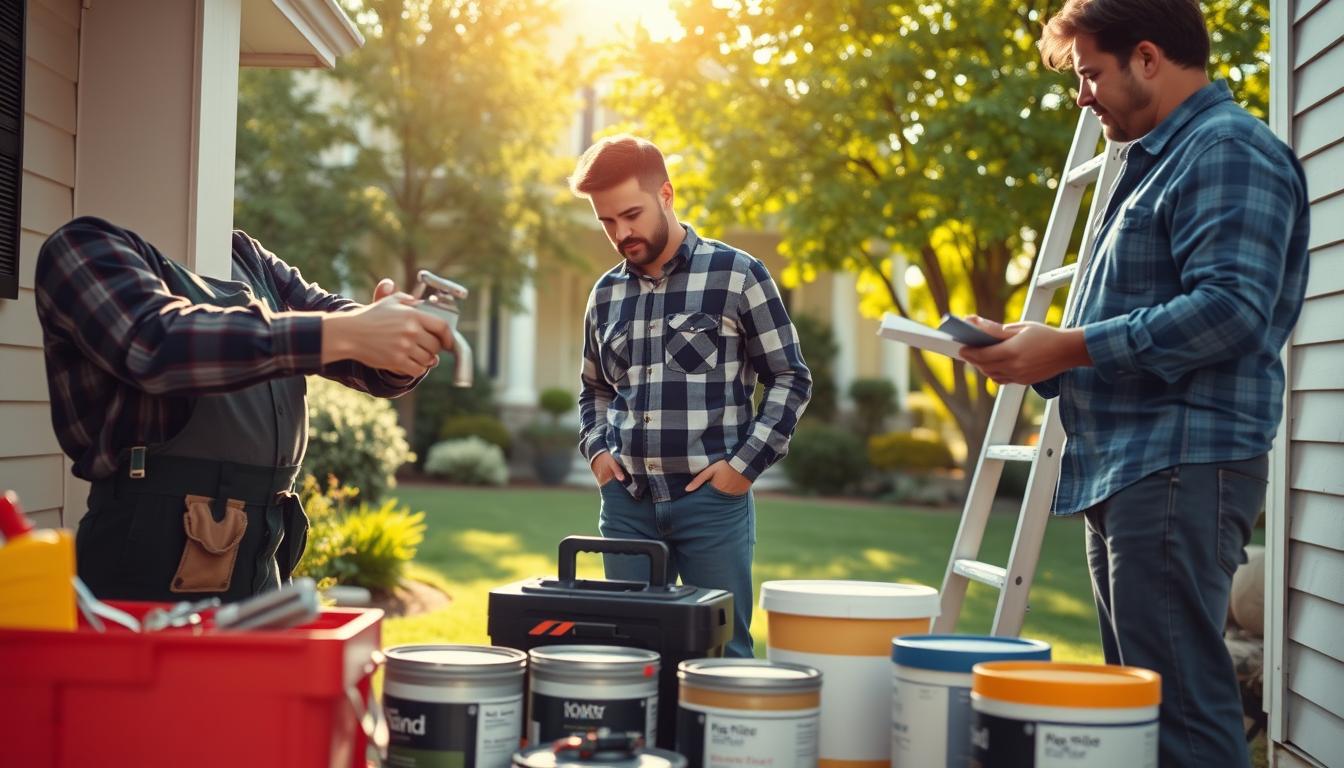
Owning a property brings joy and responsibility. Your dwelling requires regular attention to stay in top condition. This comprehensive resource helps you understand the essentials of proper care for your residence.
Think of home upkeep as an investment rather than a chore. Consistent attention protects your most valuable asset while building equity. Proper planning makes this process manageable for any property owner.
Budgeting plays a crucial role in successful property care. Experts recommend setting aside 1-3% of your purchase price annually. For a $100,000 property, this equals approximately $3,000 per year for regular upkeep and unexpected repairs.
This guide takes a timeline approach to residential care. You’ll learn about monthly checklists through tasks needed every 5, 10, or even 15+ years. Whether you plan to stay long-term or prepare for eventual sale, consistent maintenance keeps your living space safe, comfortable, and valuable.
Preventative care helps avoid costly emergency fixes. Small issues like leaks can cost hundreds annually if ignored. With proper prioritization, you can protect your investment effectively.
Key Takeaways
- Regular home care protects your investment and builds equity over the years
- Budget 1-3% of your property’s value annually for maintenance needs
- Preventative maintenance helps avoid expensive emergency repairs
- A timeline approach makes property upkeep manageable and systematic
- Consistent care maintains safety, comfort, and property value
- Proper planning turns maintenance from overwhelming to achievable
- Small issues addressed promptly prevent larger problems later
Introduction to Home Maintenance
Understanding your home’s needs is the first step toward successful ownership. This foundation covers what property care involves and why it demands both financial planning and time commitment.
Home maintenance spans from simple monthly checks to major system replacements. Some tasks need basic tools while others occur once or twice during your ownership years.
Proper planning helps avoid financial surprises. American Family Insurance data shows average monthly costs around $170. That totals approximately $10,200 over five years.
Setting aside 1-3% of your purchase price annually creates a realistic budget. This covers both routine upkeep and unexpected issues. Older properties often benefit from the full 3% allocation.
| Home Value | 1% Annual Budget | 3% Annual Budget | 5-Year Total (3%) |
|---|---|---|---|
| $200,000 | $2,000 | $6,000 | $30,000 |
| $350,000 | $3,500 | $10,500 | $52,500 |
| $500,000 | $5,000 | $15,000 | $75,000 |
Prioritization is essential. Not everything needs immediate attention. Focus on your property’s age, condition, and specific requirements.
Many owners don’t complete tasks as frequently as recommended. That’s normal. The key is addressing critical items when possible.
Home maintenance serves three core purposes: protecting your investment, saving money through prevention, and ensuring family safety. This approach makes property care manageable over time.
Why Regular Home Maintenance Matters
Your property represents more than just walls and a roof—it’s your financial future. Consistent care protects this valuable investment while building equity. Proper upkeep ensures your family enjoys comfort and security for years.
Preventative maintenance saves significant money by catching small problems early. A minor leak might waste hundreds of dollars annually if ignored. Addressing issues promptly prevents costly emergency repairs down the road.
Energy efficiency improves dramatically with regular attention. Simple actions like replacing HVAC filters and sealing drafts reduce utility bills. These small steps accumulate into substantial savings over time.
Safety remains a crucial benefit of consistent upkeep. Routine checks of smoke detectors and structural elements protect your family. Proper maintenance provides peace of mind against potential hazards.
When selling your property, well-maintained homes command higher prices. They sell faster due to better curb appeal and fewer inspection issues. Buyers feel confident investing in a property with proven care.
Regular maintenance requires some investment upfront. However, neglecting these essential things leads to much larger expenses later. Smart homeowners recognize that consistent care is the wiser financial choice.
Embracing “maintaining a house over time” as a Lifestyle
Shifting your perspective on home care transforms it from a dreaded chore into a natural part of your life. The goal is progress, not perfection. Most people don’t complete every task exactly when recommended.
Accept that doing what you can, when you can, is a healthy approach. Prioritize critical items for safety and function. This realistic mindset reduces guilt and makes the process sustainable.
Develop routines that fit your schedule and budget. As you become more familiar with your house, tasks feel less daunting. Regular patterns build confidence over time.
Seasonal changes offer perfect opportunities. Fall provides a great window for maintenance. Schedules normalize after summer, creating ideal timing before holidays and winter.
Key mindset shifts include:
- Viewing upkeep as protection for your investment
- Celebrating small victories and built momentum
- Creating a personalized system that works for you
Embracing this way of life means accepting care as an ongoing part of homeownership. It’s a journey of caring for your home throughout your life in it.
Monthly Home Maintenance Essentials
A systematic approach to monthly maintenance tasks protects your investment and enhances daily living comfort. These regular checks form your first line of defense against costly repairs.
Consistent attention every months catches small issues before they escalate. This proactive strategy saves money and prevents emergencies.
Filter Replacements and HVAC Checks
Check your HVAC system filters every months. Clean reusable filters or replace disposable ones when dirty. This typically occurs every 30 days to a few months.
Don’t forget the kitchen vent hood filter. Clean or replace it monthly, especially if you cook frequently. Clean filters improve air quality and system efficiency.
Leak Inspections and GFCI Testing
Inspect for water leaks around toilets and sinks each month. Even tiny drips waste hundreds of dollars annually. Check grout and caulking in bathrooms too.
Test GFCI outlets by plugging in a light and using test/reset buttons. Make sure smoke and carbon monoxide detectors work properly. Change batteries every six months.
| Monthly Task | Key Items | Frequency |
|---|---|---|
| Filter Checks | HVAC, kitchen vent | Every months |
| Water Inspection | Toilets, sinks, showers | Monthly |
| Safety Testing | GFCI, detectors | Monthly |
| Exterior Walk | Foundation, gutters | Monthly |
Seasonal Home Maintenance Breakdown
Seasonal transitions provide natural reminders for specific property upkeep tasks that protect against weather-related damage. This approach organizes your efforts throughout the year.
Winter and Fall Preparations
Cold weather demands proactive measures. Watch for ice dams forming at your roof’s edge during winter months. These ridges trap melting snow that can infiltrate your roof structure.
Test for drafts around doors and windows using incense smoke. Straight-rising smoke indicates good seals. Blown-around smoke reveals gaps needing caulking.
Fall tasks include cleaning gutters of debris before winter arrives. Check weather stripping for wear and schedule professional HVAC inspections. Turn off exterior hose bibs to prevent frozen pipes.
Spring and Summer Upkeep
Warmer months bring different maintenance needs. Inspect your roof with binoculars after winter—safer than climbing ladders. Check gutters for ice damage and proper drainage.
Summer maintenance focuses on outdoor systems. Trim vegetation around HVAC units for better efficiency. Inspect decks for aging wood and apply protective sealants.
Test irrigation systems for leaks after heavy rain. Pressure wash siding while checking for damage. These seasonal tasks maintain your property through changing weather conditions.
Detailed Yearly Home Upkeep Tasks
Systematic annual care prevents small issues from becoming major problems. These essential tasks form your property’s foundation for safety and efficiency.
Your yearly maintenance checklist should address critical components. This approach protects your investment through consistent attention.
Annual Inspections and Cleaning Projects
Cleaning your clothes dryer exhaust annually is crucial for safety. Lint buildup causes approximately 15,500 house fires each year.
Don’t forget bathroom exhaust fan cleaning. Remove accumulated lint and dust for better efficiency. This simple task often involves vacuuming the ceiling cover.
Refrigerator coils need annual attention too. Pull out the appliance to vacuum dirt from air passages. Pet owners should complete this cleaning twice yearly.
Check fire extinguisher gauges for proper pressure. Inspect hoses and verify certification dates. Most units require replacement every decade.
Preventative Repairs and System Checks
Drain your hot water heater to remove sediment annually. This extends the unit’s longevity and improves efficiency.
Lubricate garage door springs each year. This makes operation smoother for both manual and automatic systems.
Exercise fixture supply valves for all water connections. Valves can seize if not used occasionally. This includes toilets, faucets, and appliance lines.
Look for termite signs annually to catch infestations early. Professional inspections every few years provide additional protection.
Make sure your septic tank receives annual inspections. Average households need pumping every 2-3 years.
Long-Term Planning: Repairs and Replacements
Strategic planning for major home repairs and replacements helps homeowners avoid financial surprises as their property ages. Understanding component lifespans allows you to budget effectively for future needs.
Every 2-5 years, focus on preventive maintenance items like professional heat duct cleaning and grout resealing. Termite inspections and window caulking replacement also fall within this timeframe.
The 5-10 year mark brings appliance replacements. Dishwashers typically last about 10 years, while kitchen sinks show wear after 5 years. Microwaves often need replacement around 9 years of use.
Major systems require attention every 10-15 years. Hot water heaters and garage door openers reach end-of-life around this period. Refrigerators, ranges, and safety detectors also need replacement.
Beyond 15 years, prepare for significant investments. Roofing materials, exterior decks, and HVAC units represent the largest expenses. These projects require substantial financial planning.
This timeline approach helps spread costs across different years. A comprehensive home maintenance checklist ensures you track all essential items.
Quality maintenance extends component lifespans, saving money over time. However, even well-cared-for systems eventually need replacement after many years of service.
Preventative Strategies to Save Money
Implementing forward-thinking maintenance practices creates a pathway to reduced expenses and enhanced property value. Smart homeowners focus on prevention rather than reaction.
Upgrading to energy-efficient appliances delivers immediate savings. Energy Star rated refrigerators, dishwashers, and HVAC systems cut utility costs significantly. Modern units often pay for themselves through lower bills.
Retire old secondary refrigerators in garages or basements. These energy hogs consume far more electricity than newer models. Proper sealing around doors and windows prevents conditioned air escape.
Regular maintenance catches small issues before they become expensive emergencies. Minor leaks can waste hundreds of dollars annually if ignored. Addressing problems early saves substantial money over time.
| Preventative Strategy | Initial Cost | Annual Savings | Payback Period |
|---|---|---|---|
| Energy Star Appliances | $1,500-$3,000 | $200-$400 | 4-7 years |
| HVAC System Upgrade | $5,000-$10,000 | $300-$600 | 8-12 years |
| Weather Stripping | $100-$300 | $100-$200 | 1-2 years |
| Regular Maintenance | $50-$150 monthly | $500-$1,000+ | Immediate |
Establish a dedicated monthly fund for home care needs. Consistent savings prevent financial stress when repairs arise. This approach provides peace of mind about your property’s condition.
The most effective way to manage your residence involves proactive attention. Preventative strategies protect your investment while reducing long-term costs. Smart planning turns maintenance into money-saving opportunities.
Smart Home Tools for Efficient Maintenance
Modern homeowners have access to innovative solutions that automate maintenance tracking. These technologies simplify property care through digital organization and real-time monitoring.
Digital tools help manage all your property care items in one convenient location. They create personalized schedules based on your specific needs.
Maintenance Apps and Scheduling Software
Specialized applications track warranty information and service history records. They store contractor details and send push notifications when tasks are due.
These programs generate customized checklists considering your property’s age and features. This ensures important items never get overlooked while prioritizing by urgency.
Scheduling software helps plan activities throughout the year. It spreads expenses and time commitments while ensuring critical tasks happen optimally.
Smart Sensors and Automated Alerts
Smart devices continuously monitor conditions and send immediate smartphone alerts. They provide protection even when you’re away from your property.
Water leak detectors placed near heaters and sinks alert you to moisture before damage occurs. Smart smoke detectors conduct self-testing and have extended battery life.
HVAC monitors track filter life and system performance. They notify you when filters need changing or professional attention is required.
| Device Type | Key Features | Installation Areas | Primary Benefits |
|---|---|---|---|
| Water Leak Sensors | Moisture detection, instant alerts | Basements, under sinks, near appliances | Prevents water damage, saves repair costs |
| Smart Smoke Detectors | Phone notifications, self-testing | Hallways, bedrooms, kitchen areas | Enhanced safety, remote monitoring |
| HVAC Monitors | Filter tracking, performance alerts | Near HVAC units, utility rooms | Energy efficiency, system longevity |
| Freeze Sensors | Temperature monitoring, early warnings | Attics, crawl spaces, exterior walls | Prevents pipe bursts, winter protection |
While smart tools require initial investment, they pay for themselves through early problem detection. They provide peace of mind through constant monitoring coverage.
Balancing Indoor Repairs and Outdoor Projects
Effective home care requires balancing attention between your interior living spaces and the exterior protection systems. Both areas demand regular inspection and maintenance to keep your property secure and comfortable.
Proper distribution of effort prevents neglecting critical components. Interior systems ensure daily functionality while exterior elements shield against weather damage.
Interior Systems and Appliance Care
Regular HVAC filter changes improve air quality and system efficiency. Check for water leaks around plumbing fixtures to prevent moisture damage.
Appliance maintenance extends equipment lifespan. Clean refrigerator coils and dryer vents annually. Test GFCI outlets and bathroom exhaust fans monthly.
Tile and grout care in bathrooms and kitchens prevents water infiltration. Seal grout lines every few years to maintain protection.
Exterior Areas: Roofs, Gutters, and Siding
Roof inspection with binoculars reveals aging shingles and missing material. Different roofing materials have varying lifespans requiring replacement planning.
Gutter cleaning removes leaves and debris that cause clogs. Check for rust and loose connections that affect drainage.
Siding maintenance depends on material type. Wood needs painting every 3-7 years while vinyl requires pressure washing. Decks need stain application and nail checks.
Windows and doors need weather stripping inspections and caulking repairs. Proper sealing keeps your home energy efficient and protected.
Creating a Comprehensive Home Maintenance Checklist
Building your own home maintenance schedule ensures it fits your actual life. A personalized checklist reflects your property’s unique needs and your available time.
Organize your maintenance checklist by frequency categories. This creates a clear structure for all your property care items.
Monthly tasks need regular attention. Include HVAC filter checks and water leak inspections. GFCI testing and exterior walk-arounds belong here too.
Seasonal sections align with weather changes. Winter preparations prevent ice dams. Spring inspections catch winter damage. Summer upkeep focuses on outdoor systems.
Yearly maintenance items require annual focus. Dryer vent cleaning improves safety. Water heater draining extends lifespan. Termite checks protect your investment.
Long-term planning covers major replacements. Group these things by timeframe for better budgeting.
| Checklist Category | Key Tasks | Priority Level |
|---|---|---|
| Monthly | Filter changes, leak checks | High |
| Seasonal | Weather preparations, system checks | Medium-High |
| Yearly | Vent cleaning, appliance maintenance | Medium |
| Long-Term | Roof replacement, HVAC upgrade | Low (but plan ahead) |
Prioritize safety-related tasks first. Then focus on structural protection items. Efficiency and comfort cleaning come later.
Customize based on your home’s age and local climate. Your skill level and available time matter too. The goal is progress, not perfection.
Make sure your checklist includes space for completion dates. Track observations and contractor information. This creates a valuable maintenance history.
Update your checklist as systems change. New appliances may need different care. Your experience will reveal which tasks need more frequent attention.
Budgeting and Funding Your Home Projects
Financial planning for home care ensures you’re prepared for both routine upkeep and unexpected repairs. Smart budgeting turns maintenance from a financial burden into a manageable investment.
Experts recommend setting aside 1-3% of your home’s purchase price annually. For a $100,000 house, this equals approximately $3,000 per year for maintenance needs.

Break this down to about $170 monthly. Consistent savings creates a $10,200 fund over five years. This covers both planned projects and emergency repairs.
Establish a dedicated savings account specifically for home maintenance. This prevents your maintenance money from being spent on other expenses.
Strategic planning helps spread major costs across different years. Use the long-term replacement timeline to anticipate heavier expense periods.
For larger improvement projects, consider leveraging your home equity. Loans or lines of credit can fund renovations that exceed your savings.
Proper budgeting protects your investment while ensuring funds are available when needed. This approach prevents financial stress and preserves your property’s value over the years.
Conclusion
Proper home care creates a lasting legacy for generations to come. Whether you plan to stay for many years or eventually sell, consistent attention protects your most valuable investment.
Home maintenance provides safety, comfort, and lasting value that compounds over time. The process becomes easier as you establish routines that fit your life.
Remember that perfection isn’t the goal—doing what you can consistently matters most. Your house becomes more than just structure when cared for properly.
This comprehensive approach gives your property the best chance to stand strong. From monthly checks to long-term planning, you now have the tools for successful homeownership.
All homeowners face similar challenges with limited resources. The way forward involves doing your best with what you have. Understanding buying house cost considerations helps create realistic expectations.
Your home deserves the care that protects your family’s future. With consistent effort, you’ll create a safe, comfortable space for life’s important moments.