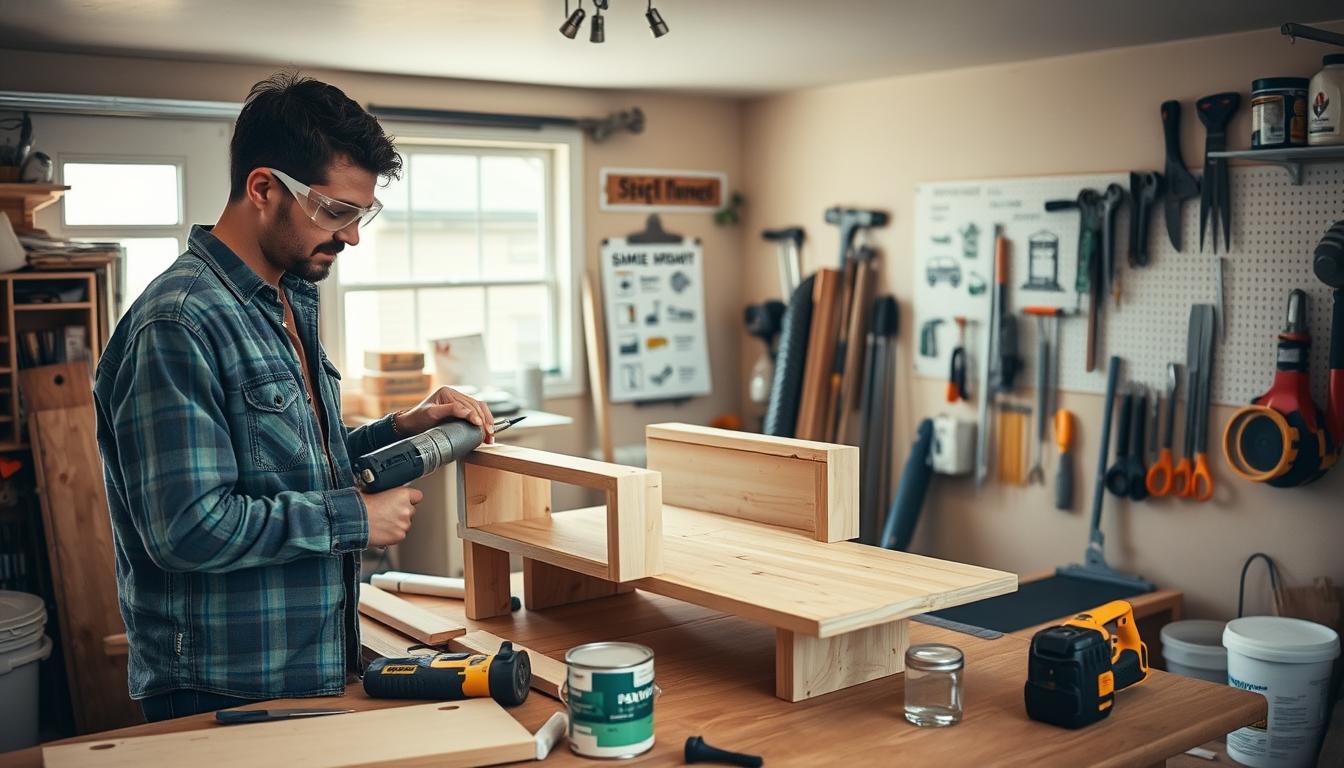
Ever look around your living space and imagine small changes that could make a big difference? You are not alone. Many people want to enhance their surroundings but feel unsure where to start. This guide is designed for those taking their first steps into the world of do-it-yourself upgrades.
The good news is that you do not need to be an expert to begin. Numerous tasks are perfectly suited for newcomers. These activities can boost your home’s functionality and save you money on professional labor. They can also add value to your property over time.
We have organized this resource by skill level. It starts with simple fixes and progresses to more involved endeavors. Each project includes clear instructions and tool suggestions. This approach builds your confidence with each success.
Our goal is to provide a clear path for learning practical skills. You will start with fundamental techniques that serve as a foundation. This method ensures you gain the knowledge needed for future maintenance and more complex diy projects.
Key Takeaways
- This guide offers a structured path for newcomers to start enhancing their living spaces.
- Many do-it-yourself tasks are accessible and do not require prior expertise.
- Completing these projects can increase functionality and potentially raise property value.
- Instructions are organized from simple to more complex to build skills progressively.
- Hands-on learning provides visible results and teaches techniques for future upkeep.
- Starting with basic projects builds the confidence needed for larger endeavors.
Introduction: Embracing DIY Home Improvement
Stepping into the world of DIY can transform your relationship with your property. It moves you from a passive resident to an active creator of your environment. This hands-on approach offers more than just visual upgrades.
Why DIY Transformation Matters
Expert Thomas Borcherding of Homestar Design Remodel notes that simple tasks enhance functionality and value. Something as basic as new outlet covers creates a well-maintained look. This is a practical way to personalize your space while building skills.
Handling projects yourself cuts out labor costs, which can be most of a professional bill. This makes enhancements far more budget-friendly. You also gain the freedom to work on your own schedule.
The process builds confidence over time. You start with small fixes and progress to more complex tasks. Each success provides immediate satisfaction and teaches fundamental techniques.
These acquired abilities become increasingly valuable. They allow you to handle maintenance independently. Embracing this journey creates a unique sense of accomplishment that hired services cannot match.
Home Improvement for Beginners: Essential Tools & Safety Tips
Having the right equipment at hand transforms intimidating tasks into manageable accomplishments. Your initial investment in quality gear pays off through smoother project execution and lasting results.
Expert Thomas Borcherding emphasizes that foundational tools create professional-looking outcomes. Proper equipment ensures your work is flush, plumb, and square from the start.
Basic Tools to Get Started
A cordless drill serves as your primary power tool for countless applications. An impact driver provides additional torque for stubborn fasteners and assembly work.
Essential measuring devices include a reliable tape measure and stud finder. These prevent costly errors when mounting heavy items or planning layouts.
Consider a gravity-assisted laser level for perfect alignment without guesswork. For specialized tools you’ll use infrequently, rental options preserve your budget.
Safety Protocols for Every Project
Protective eyewear should be your first consideration before any work begins. Respirators become essential when sanding surfaces or applying finishes.
Always disconnect power sources before attempting electrical modifications. Understanding each tool’s operation reduces risks and builds confidence.
Quality materials and proper safety gear represent smart investments. They prevent frustration and ensure your DIY endeavors proceed smoothly.
Starter Projects to Build Confidence and Skills
Simple upgrades can transform your space while teaching valuable skills. These entry-level tasks offer immediate satisfaction without overwhelming complexity. They serve as perfect stepping stones for building DIY proficiency.
Quick Fixes: Outlet Covers, Cabinet Pulls, and Door Repairs
Thomas Borcherding emphasizes the impact of small changes.
“Nothing screams decrepit like scuffed, worn out light switch and outlet covers.”
Replacing these plates creates a well-maintained appearance with minimal effort.
Cabinet hardware updates provide a mini kitchen facelift. This project involves simple unscrewing and reattaching processes. Occasionally, you might encounter rusted screws or misaligned holes.
Door repairs teach fundamental carpentry skills. Issues caused by humidity or structural settling require different approaches. Each technique applies to numerous future home improvement projects.
| Project Type | Difficulty Level | Tools Needed | Time Commitment | Skills Learned |
|---|---|---|---|---|
| Outlet Covers | Beginner | Screwdriver | 30 minutes | Basic electrical safety |
| Cabinet Pulls | Beginner | Screwdriver, washers | 1-2 hours | Hardware installation |
| Door Repairs | Intermediate | Plane, screwdriver | 2-3 hours | Carpentry, problem-solving |
These manageable tasks build confidence through visible improvements. They demonstrate that most DIY projects involve straightforward processes. The skills developed form a solid foundation for more complex endeavors.
Simple Painting and Caulking Projects
Mastering basic surface treatments opens doors to countless enhancement possibilities. These foundational skills deliver visible results while building confidence for more complex tasks.
Painting a Room for an Instant Refresh
A fresh coat of paint transforms any space dramatically. Start with a smaller room like a bathroom to practice technique.
Clean walls thoroughly before applying paint. Use plastic sheeting to protect floors and fixtures. Apply even strokes across one wall at a time.
Caulking to Maintain and Upgrade Seams
Proper caulking preserves walls and fixtures in moisture-prone areas. This diy project prevents water damage while refreshing the look.
Invest in a quality caulk gun for smooth application. Practice laying consistent beads for professional results. This skill applies to numerous future maintenance tasks.
| Project Type | Skill Level | Tools Required | Time Investment | Key Benefits |
|---|---|---|---|---|
| Room Painting | Beginner | Roller, brushes, tape | 4-6 hours | Instant visual transformation |
| Bathroom Caulking | Intermediate | Caulk gun, utility knife | 1-2 hours | Water protection, clean appearance |
Basic Plumbing and Electrical Repairs
Tackling faucet repairs offers a practical introduction to working with household plumbing. These essential skills prevent water waste and build your understanding of how systems function.
Fixing Leaky Faucets and Cleaning Sink Traps
A dripping faucet wastes significant water over time. Most fixtures are designed for straightforward disassembly and reassembly. This makes faucet repair an excellent entry point for plumbing work.
Vice grips and channel lock pliers become indispensable tools. They easily loosen stubborn components that resist hand-tightening. Quality pairs quickly become favorite equipment for various tasks.
Kitchen and bathroom sink trap cleanouts teach fundamental lessons about drain structure. While messy, this project demonstrates how pipes connect and prevent sewer gases from entering. It provides knowledge valuable for future diagnostics.
| Plumbing Task | Difficulty Level | Essential Tools | Estimated Time | Key Skills Developed |
|---|---|---|---|---|
| Faucet Repair | Beginner | Channel lock pliers, screwdriver | 1-2 hours | Fixture disassembly, seal replacement |
| Sink Trap Cleaning | Intermediate | Bucket, pliers, wrench | 30-60 minutes | Pipe connection, drainage understanding |
| Trap Upgrade to PVC | Intermediate | Pipe cutter, pliers | 1-2 hours | System modernization, preventive maintenance |
This hands-on experience builds confidence for more complex endeavors. It helps recognize when professional assistance becomes necessary. Basic plumbing represents a smart way to enhance your DIY capabilities.
Window and Door Upgrades
Upgrading your window and door screens provides both immediate functional benefits and long-term value. This maintenance task addresses common wear while teaching practical skills.
Even minor screen damage compromises your indoor environment. Small tears allow insects and dust to enter your living space. Prompt repair maintains air quality and comfort.
Replacing Torn Window Screens
The screen replacement process introduces you to window mechanics. Removing frames reveals how components fit together. This knowledge proves valuable for future maintenance projects.
Materials for this diy project remain affordable and reusable. Screen mesh and spline typically cover multiple windows. Your initial investment continues providing value over time.
While basic tools can complete the job, specialized equipment improves results. A spline roller ensures smooth installation and reduces damage risk. This tool becomes a lasting addition to your collection.
Screen door upgrades follow similar techniques. Consistency throughout your residence creates unified appeal. The skills transfer directly to other household components.
This straightforward project demonstrates that many repairs involve simple processes. Success builds confidence for more complex endeavors. Each completed task strengthens your problem-solving abilities.
Creative Ideas for Home Organization
Creative storage solutions offer the dual advantage of reducing clutter while enhancing the aesthetic quality of your interior spaces. These projects transform chaotic areas into functional, inviting environments that work efficiently for your lifestyle.
Well-implemented organization systems create visible improvements with minimal investment. They teach valuable spatial planning skills applicable throughout your residence.
Installing Open Shelves and Glass Cabinets
Open shelving provides accessible storage without making rooms feel crowded. The visibility factor naturally encourages better organization habits.
Glass-front cabinets create an elegant appearance while keeping contents organized. Since everything remains visible, you’re motivated to maintain tidy arrangements.
Both solutions work particularly well in kitchens and living areas. They maximize storage capacity in limited spaces.
Smart Storage Solutions for Every Room
Strategic use of baskets and bins conceals smaller items while maintaining aesthetic appeal. Labeling containers accelerates access to needed belongings.
Quality trolleys provide mobile storage for various applications. They efficiently organize spices, utensils, or office supplies.
Categorical organization keeps similar items together for faster cleanup. Everything has a designated location, simplifying daily routines.
| Storage Solution | Best Location | Difficulty | Tools Required | Time Estimate |
|---|---|---|---|---|
| Open Shelves | Living Room, Entryway | Beginner | Level, Drill, Brackets | 2-3 hours |
| Glass Cabinets | Kitchen, Dining Area | Intermediate | Screwdriver, Hinges | 3-4 hours |
| Storage Trolleys | Bathroom, Office | Beginner | Assembly Tools | 30-60 minutes |
| Basket Systems | Bedroom, Closet | Beginner | Measuring Tape | 1-2 hours |
These organizational projects deliver substantial improvements in daily functionality. They represent ideal starting points for developing practical spatial management skills.
Enhancing Curb Appeal with DIY Projects
Your property’s exterior creates the first impression visitors experience. Strategic exterior enhancements significantly boost visual appeal while potentially increasing market value.
These outdoor projects transform your living space into a more inviting environment. They create welcoming areas for relaxation and social gatherings.
Building a Fire Pit for Outdoor Ambiance
Constructing a fire pit establishes a natural gathering place in your backyard. This project introduces fundamental masonry skills using basic tools.
A simple trowel and tuckpointer facilitate the construction process. These inexpensive tools serve numerous future hardscaping endeavors.
The finished feature becomes a focal point for evening entertainment. It adds functional beauty to your outdoor design while teaching valuable techniques.
Updating Your Front Door and Exterior Elements
Your front door serves as the centerpiece of your home’s exterior appearance. Updating this element delivers one of the most dramatic curb appeal improvements available.
Consider a fresh coat of paint or complete replacement for instant modernization. This change creates a welcoming entrance that defines your property’s character.
Landscaping enhancements like xeriscaping provide low-maintenance beauty. In desert regions, succulents surrounded by volcanic rocks create distinctive appeal.
These exterior projects enhance your home’s overall look while providing practical benefits. They represent smart investments in your property’s long-term value.
Innovative Projects for the Garage and Utility Areas
Your garage presents a unique opportunity to develop fundamental DIY skills while creating highly functional storage. This often-overlooked area is the perfect testing ground for new home improvement projects. Minor imperfections are far less critical here than in your main living space.
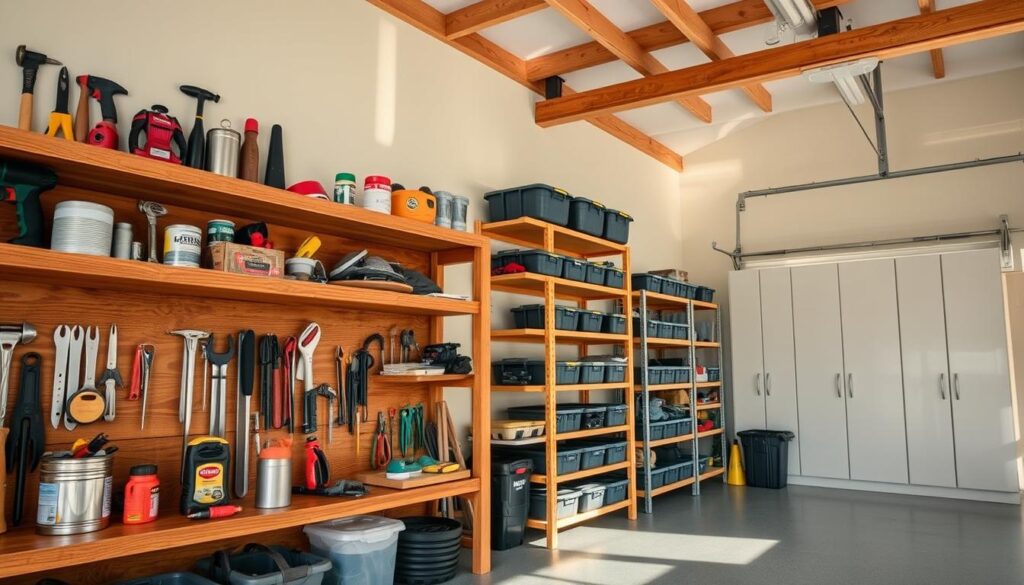
Custom Garage Storage Shelves and Tool Upgrades
Building custom shelves teaches essential planning and woodworking. You learn to maximize cuts from a single plywood sheet, minimizing waste. This project is a cornerstone of effective garage organization.
A circular saw is essential for clean, straight cuts. This project might also justify investing in a compressor and nail gun. These tools dramatically speed up assembly for future endeavors.
Strategic placement is key. Heavier boxes belong on lower shelves for stability. This approach keeps seasonal items and equipment accessible and protected. For more inspiration, consider a comprehensive garage makeover.
The skills you gain translate directly to indoor projects. You can confidently tackle built-in shelving or custom cabinets elsewhere in your home.
| Project Focus | Primary Skill Learned | Core Tool Requirement | Impact on Future DIY |
|---|---|---|---|
| Maximizing Cuts | Material Planning & Efficiency | Circular Saw | Reduces waste on all projects |
| Shelf Assembly | Basic Structural Woodworking | Drill, Level | Foundation for furniture building |
| Layout Design | Spatial Organization | Tape Measure | Improves planning for all home improvement projects |
Lighting, Accent, and Design Upgrades
Thoughtful lighting design represents one of the most impactful yet accessible ways to transform any space’s atmosphere and functionality. These upgrades deliver both immediate visual changes and long-term practical benefits.
Strategic lighting choices can make rooms feel larger, warmer, or more focused. They create the foundation for your entire design scheme.
Hanging a Ceiling Fan for Efficiency and Style
Modern ceiling fan installation has become much simpler thanks to design improvements. Support struts allow the unit to hang during assembly, eliminating the need for extra helpers.
Replacing an existing light fixture with a fan involves basic wiring skills. This project combines energy efficiency with aesthetic enhancement.
Always use a voltage tester to confirm power is disconnected before handling wires. This inexpensive tool provides essential safety assurance.
Revamping Lighting to Create a Modern Look
A comprehensive lighting refresh begins with cleaning all shades and bulbs. Replace outdated fixtures with contemporary designs for an instant update.
Add table lamps and floor lamps to eliminate dark corners. These simple changes revive previously dim areas with minimal investment.
Strategic placement creates visual cohesion throughout your living areas. The right lighting makes spaces feel brighter and more inviting.
| Lighting Upgrade | Skill Level | Tools Required | Impact Level |
|---|---|---|---|
| Ceiling Fan Installation | Intermediate | Voltage tester, screwdriver | High (energy savings + style) |
| Fixture Replacement | Beginner | Basic hand tools | Medium (aesthetic improvement) |
| Supplemental Lighting | Beginner | None required | Medium (room functionality) |
| Comprehensive Refresh | Intermediate | Cleaning supplies, new bulbs | High (complete transformation) |
Conclusion
Your journey into hands-on home care begins with small, manageable steps that build lasting capabilities. Each completed task adds tangible value to your house while developing practical skills.
Starting with simple ones like outlet covers demonstrates that you don’t need extensive experience. Just willingness to learn and patience with the process. The money saved through DIY approaches accumulates over time.
These tips form a foundation for lifelong learning. Each project teaches lessons applicable to future renovations. For more complex planning, explore our comprehensive guide to home remodeling.
Beyond financial benefits, the sense of accomplishment creates deeper connection to your living environment. Your house becomes more functional and attractive through consistent application of these techniques.
Remember that every experienced DIYer started as a beginner. The journey develops problem-solving skills that enhance your quality of life and self-reliance.