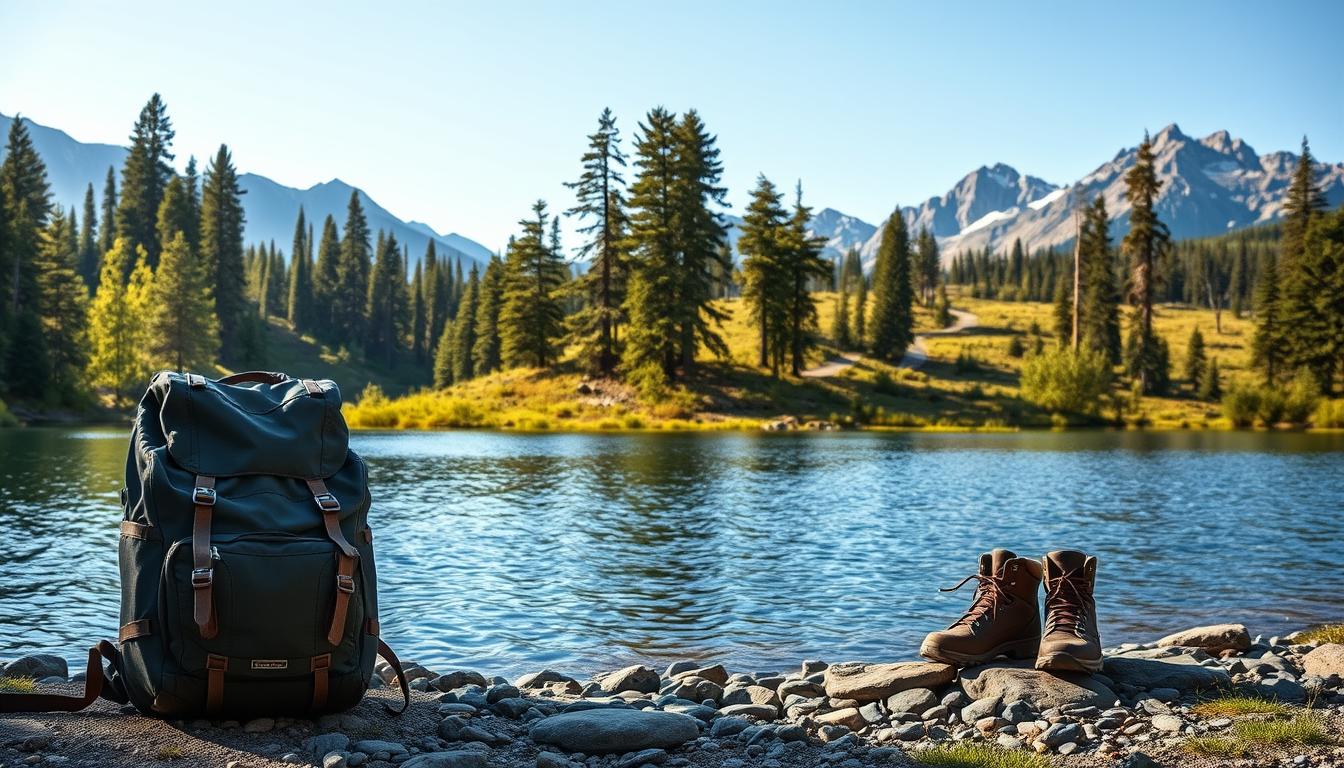
Modern life often presents us with two extremes when it comes to how we spend our time. We see destinations marketed as either pure relaxation zones or fast-paced thrill centers. This creates a false choice that doesn’t serve our true needs.
Research in travel psychology reveals an important truth. Too much low-arousal activity leads to boredom and a lack of appreciation for peaceful moments. Excessive stimulation, however, can cause nervous system crashes or make experiences feel less meaningful.
Your optimal mix of excitement and calm is unique to you. It can even change from day to day based on your energy levels and current life circumstances. This makes flexibility and self-awareness essential tools for sustainable well-being.
This guide will help you move beyond the either-or mindset. You’ll learn to integrate both stimulating experiences and necessary downtime into your lifestyle. The goal is long-term vitality rather than short-term excitement followed by exhaustion.
Key Takeaways
- Well-being requires a personalized mix of stimulating and calming activities
- Individual thresholds for optimal balance vary greatly between people
- Your needs for excitement and calm can fluctuate daily
- Flexibility and self-awareness are essential for sustainable vitality
- The travel industry often promotes extremes that don’t serve real health needs
- True rejuvenation comes from understanding your unique physiological responses
- Balance is about quality integration, not equal time allocation
Embracing the Need for a Balanced Lifestyle
Modern culture tends to compartmentalize our pursuits into distinct categories. This separation often creates an artificial divide between different types of activities. True well-being emerges when we recognize how various experiences complement each other.
Understanding the Role of Adventure in Well-being
Adventure introduces controlled uncertainty into our lives. This uncertainty challenges both mental and physical capacities. Different adventure experiences serve diverse psychological needs.
Some people seek adrenaline-inducing activities for physiological arousal. Others find adventure in cultural exploration or skill acquisition. These experiences lead to personal growth and increased confidence.
The Importance of Rest and Relaxation
Rest provides essential recovery for our nervous system. It allows us to recharge from both negative stressors and positive stimulants. What constitutes effective relaxation varies dramatically between individuals.
One person may find gentle yoga restful while another prefers reading. Self-awareness becomes critical for identifying what truly rejuvenates you. Sustainable well-being requires honoring both activation and recovery needs throughout life.
Defining Your Personal Adventure and Relaxation
Your unique physiological responses determine what truly rejuvenates or energizes you. This personal understanding forms the foundation for sustainable well-being.
Identifying What Adventure Means to You
Adventure exists on a broad spectrum. It ranges from extreme sports to gentle explorations in nature.
Ask yourself what specifically attracts you. Is it physical risk, intellectual stimulation, or social connection? Your authentic preferences may differ from popular trends.
Recognizing Signs of True Relaxation
True relaxation manifests differently for each person. Some find peace through gentle movement outdoors while others need complete stillness.
Notice when your nervous system downregulates. Look for slower breathing, reduced muscle tension, and quieter mental chatter. These signals indicate genuine recovery.
| Adventure Elements | Relaxation Signals | Personal Factors |
|---|---|---|
| Adrenaline rush | Slower breathing | Comfort zone level |
| Novel environments | Reduced tension | Social preference |
| Skill acquisition | Quiet mind | Time requirements |
| Challenge achievement | Present moment focus | Energy cycles |
Conduct personal experiments to gather data about your authentic needs. This approach helps when crafting the perfect itinerary for your well-being.
Essential Strategies for Balancing Adventure and Rest
Effective vitality management requires intentional goal-setting across different time horizons. This approach creates a sustainable rhythm between stimulating pursuits and necessary recovery periods.
The Impact on Your Health and Energy
Proper rhythm between activity and recovery delivers measurable health benefits. Cardiovascular fitness improves through active pursuits. Stress hormones normalize during quality downtime.
Energy levels remain more consistent throughout the year. This prevents the exhaustion cycles common with extreme approaches. Immune function strengthens with adequate recovery time.
Mental resilience develops through cyclical challenge and restoration. Each experience builds capacity for future endeavors.
Insights from Travel Psychology and Personal Reflection
Research shows anticipation of upcoming journeys provides psychological benefits. The planning phase creates sustained positive mood elevation. This can last for weeks or months before the actual experience.
Goal-oriented planning serves a dual purpose. It motivates healthy habits during ordinary work time. It also gives deeper meaning to professional efforts.
Personal reflection helps identify what genuinely restores you. Journaling after both active and quiet periods reveals patterns. This allows for refined strategies over time.
Understanding individual recovery needs prevents returning exhausted. The right amount of downtime makes each experience more fulfilling.
Crafting a Travel Itinerary That Honors Both Worlds
A well-planned travel itinerary transforms a simple vacation into a journey that truly revitalizes. The foundation of a successful trip lies in thoughtful preparation that considers both energetic exploration and peaceful recovery.

Selecting Destinations That Inspire Both Excitement and Peace
Your choice of destination sets the stage. Look for a place offering access to stimulating activities alongside serene environments. Thorough research is key.
Examine not just major attractions but also quieter neighborhoods and natural settings. This ensures the location itself supports your need for both engagement and calm.
Scheduling Dynamic Activities and Downtime
Intentional scheduling prevents exhaustion. A proven method is the one-week-on, one-week-off approach. Spend seven days on tours and sightseeing.
Follow this with a full week in one location with minimal agenda. This rhythm allows for deep immersion and essential recovery.
Always plan more downtime than you think you need. Buffer days between major activities prevent cumulative travel fatigue.
| Itinerary Focus | Key Strategy | Expected Outcome |
|---|---|---|
| Destination Research | Seek places with both vibrant and tranquil areas | A location that naturally facilitates a varied experience |
| Time Allocation | Use the “one-week-on, one-week-off” model | Prevents burnout and enhances enjoyment of each phase |
| Daily Scheduling | Block “free time” for spontaneous exploration | Creates space for unexpected, memorable discoveries |
| Accommodation | Choose based on the trip phase (central vs. peaceful) | Optimizes comfort and convenience for each type of day |
Schedule unique local experiences you love. Treat them as important appointments. Leave gaps in your plan for intuition to guide you. This blend of structure and freedom makes for a truly fulfilling vacation.
Integrating Mindfulness and Routine in Your Adventures
Mindful practices transform how we experience both travel and daily life. True presence begins with intentional disconnection from digital distractions.
Unplugging for Genuine Experiences
Turn off electronic devices to be truly present in each moment. This creates space for genuine engagement rather than experiencing life through screens.
Set clear boundaries before your vacation begins. Activate out-of-office messages and inform colleagues of your unavailability. Physical barriers like locking devices away can break addictive habits.
Reestablishing Daily Routines Post-Adventure
Returning to regular life requires immediate action. Dive back into your daily structure within the first day or two home. This prevents post-trip malaise.
Maintain connections with adventure companions who understand your experience. These relationships help integrate the adventure mindset into ordinary life.
| During Vacation | Transition Strategy | Long-term Benefit |
|---|---|---|
| Device-free time blocks | Immediate routine restoration | Continuous well-being |
| Maintained exercise habits | New goal setting | Sustained motivation |
| Present moment focus | Adventure friend connections | Integrated life experience |
This approach ensures each journey enhances your overall well-being. Discover more about how to combine adventure and wellness effectively.
Conclusion
True fulfillment comes from understanding that both activation and recovery serve essential purposes. This guide has shown how neither constant stimulation nor perpetual calm serves long-term health.
The practical strategies presented provide actionable frameworks for immediate use. Whether planning your next vacation or restructuring weekly routines, these principles apply.
Remember that sustainable well-being looks different for everyone. What matters most is developing self-awareness about your authentic needs.
The relationship between professional life and personal adventures deserves thoughtful consideration. Rather than viewing work as an obstacle, recognize it as the enabling force that makes meaningful trips possible.
As you move forward, remember this is an ongoing practice. Each journey teaches you more about your unique path to vitality in this complex, beautiful world.