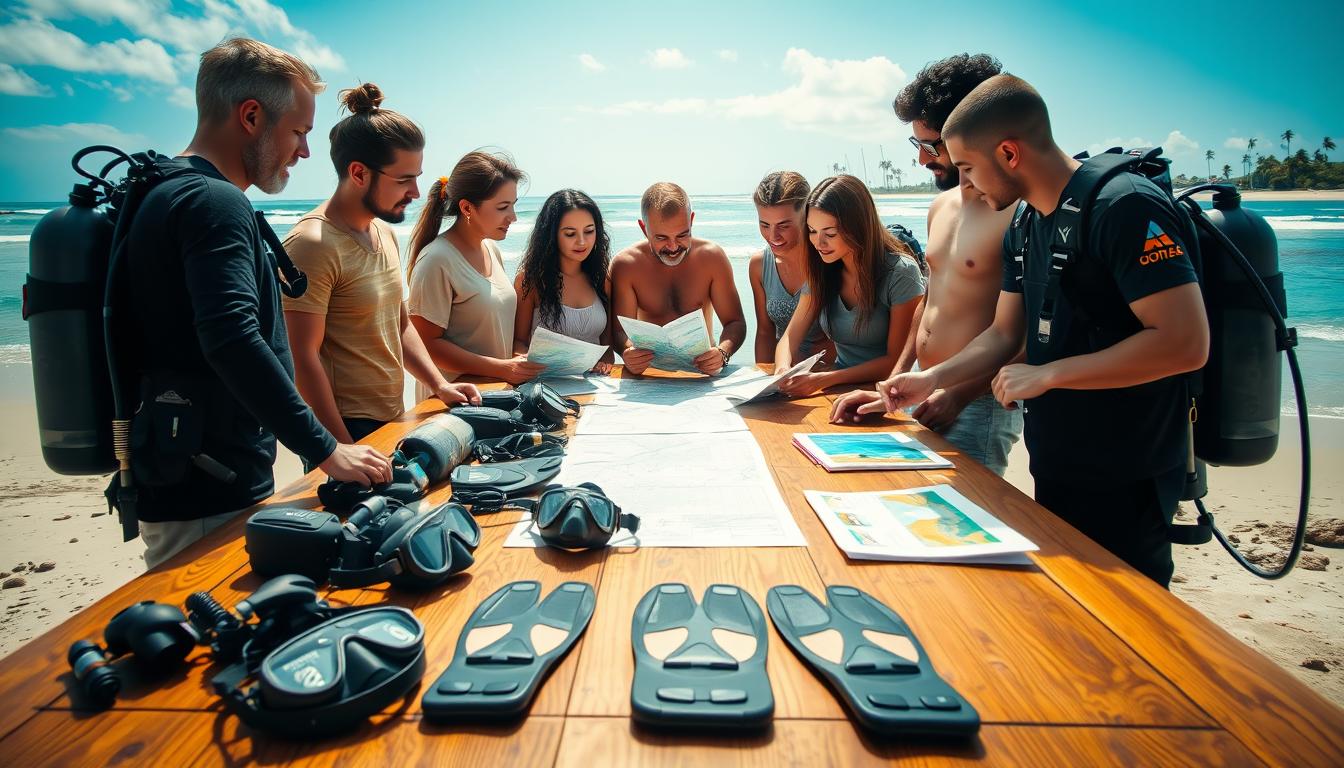
Embarking on your inaugural scuba adventure is a thrilling milestone. The thought of exploring a vibrant underwater world fills you with excitement. Proper preparation transforms this dream into a safe and unforgettable journey.
Many new enthusiasts feel a bit overwhelmed by the details. Selecting the ideal location and a reputable operator are crucial initial steps. Understanding your gear and safety protocols builds essential confidence before you even get wet.
This guide simplifies the entire process. We cover all critical aspects, from essential gear to important logistics. Our goal is to ensure you feel completely ready for your underwater exploration. For a detailed look at the experience itself, check out this guide on what to expect.
By embracing this organized approach, you maximize safety and enjoyment. You can then fully focus on the incredible marine life and the pure wonder of the ocean.
Key Takeaways
- Thorough preparation is the foundation for a safe and enjoyable initial scuba experience.
- Choosing the right destination and dive center is a critical first step.
- Understanding your equipment and safety procedures builds essential confidence.
- Breaking down the process into manageable steps makes it less daunting.
- Good organization allows you to focus on the adventure and beauty of the underwater environment.
Planning a First Dive Trip: Essential Preparations
The foundation of any successful underwater exploration begins long before you enter the water with thoughtful preparation. Many new enthusiasts discover that proper organization transforms potential anxiety into confident anticipation.
Understanding the Basics of Dive Planning
Professional training emphasizes the principle “Plan the dive and dive the plan.” This approach ensures every aspect receives consideration before you get wet. It covers entry points, maximum depth, and bottom time.
Different types of underwater exploration require specific preparations. Shore dives, boat dives, and specialty dives each have unique requirements. Always verify you have proper training for your intended activity.
Setting Objectives for Your Underwater Adventure
Clear goals help focus your preparation efforts. You might want to see specific marine life or practice new skills. Realistic objectives based on your certification level ensure an exciting yet safe experience.
Creating a thorough checklist prevents overlooking critical details. This includes equipment maintenance schedules and site condition research. Many experienced enthusiasts find the preparation process itself rewarding.
The time invested in careful organization builds essential confidence. It allows you to fully enjoy the incredible marine environment without distraction.
Diving Gear and Equipment Essentials
Selecting the right gear is fundamental to ensuring comfort and safety beneath the waves. Your equipment choices directly impact your underwater confidence and overall experience.
Must-Have Gear and Checklist
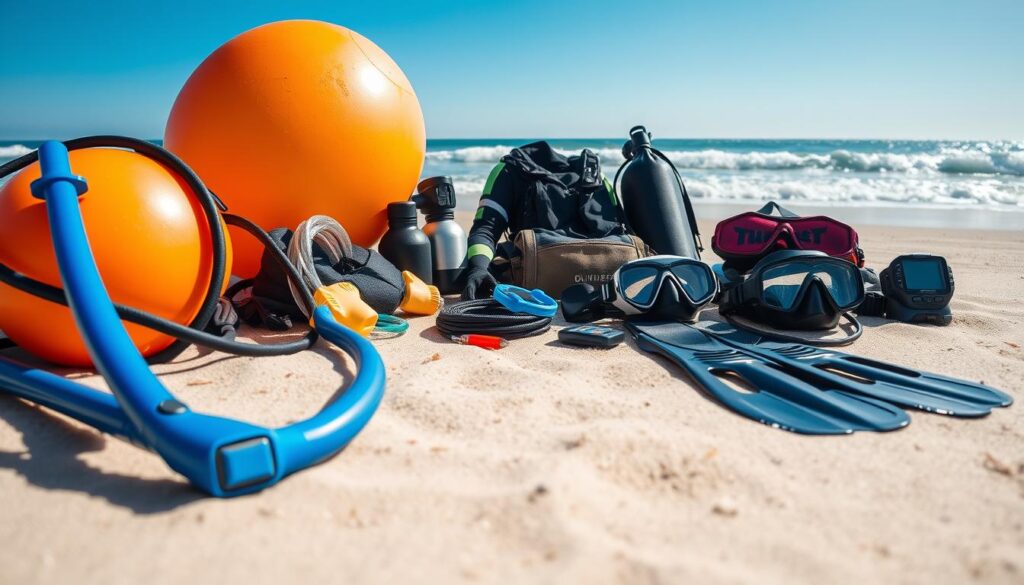
Core scuba equipment includes a well-fitted mask, reliable fins, and a buoyancy compensator. Each piece serves a critical function for safe exploration.
A properly sealed mask prevents water leakage and ensures clear vision. Comfortable fins provide efficient movement through currents. Your buoyancy control device maintains proper positioning at various depths.
Maintenance, Rentals, and Safety Equipment
Regular equipment maintenance guarantees reliability when you need it most. Inspect regulators and check BCD functionality before each use.
Many enthusiasts choose rental gear for initial underwater adventures. Reputable dive centers provide high-quality, professionally maintained equipment. Advance reservations ensure proper sizing and availability.
Thorough preparation with your gear builds essential confidence. It allows you to focus completely on the incredible marine environment.
Dive Logistics and Safety Considerations
Finalizing your underwater excursion details is a critical step for safety and enjoyment. Proper coordination of transportation, schedules, and local rules prevents last-minute surprises.
Choosing the Right Dive Site and Forecasting Conditions
Select locations matching your certification level and comfort. Warm, calm waters with good visibility are ideal for building skills.
Research operators with small groups and patient instructors. Check weather forecasts, tide schedules, and water temperatures thoroughly.
Consider site access needs like boat requirements or special footwear. A detailed itinerary with surface intervals keeps your dives organized.
Emergency Planning and Local Regulations
Verify your insurance covers scuba diving at your destination. Save local emergency numbers and recompression chamber locations.
Inform someone of your schedule and carry a charged phone. Many areas strictly enforce dive flag rules and marine interaction guidelines.
Review the DAN Smart Guide for comprehensive safety protocols. Document your experience with a waterproof camera for lasting memories.
Conclusion
The moment you descend beneath the surface opens up a world of incredible possibilities. Feeling nervous before your initial underwater experience is completely normal. Professional instructors exist specifically to guide new enthusiasts with patience and expertise.
Your scuba vacation doesn’t need to be an intense marathon. Balancing underwater exploration with beach relaxation creates a more memorable adventure. This approach ensures sustainable enjoyment throughout your entire journey.
Choosing destinations that match your comfort level is crucial for success. Warm waters with abundant marine life and small group sizes build confidence progressively. The right operator makes all the difference in creating an unforgettable experience.
With proper preparation and professional guidance, your underwater adventure provides lasting memories and the foundation for future explorations. The marine world awaits with its breathtaking beauty—you’re now ready to discover it safely and joyfully.