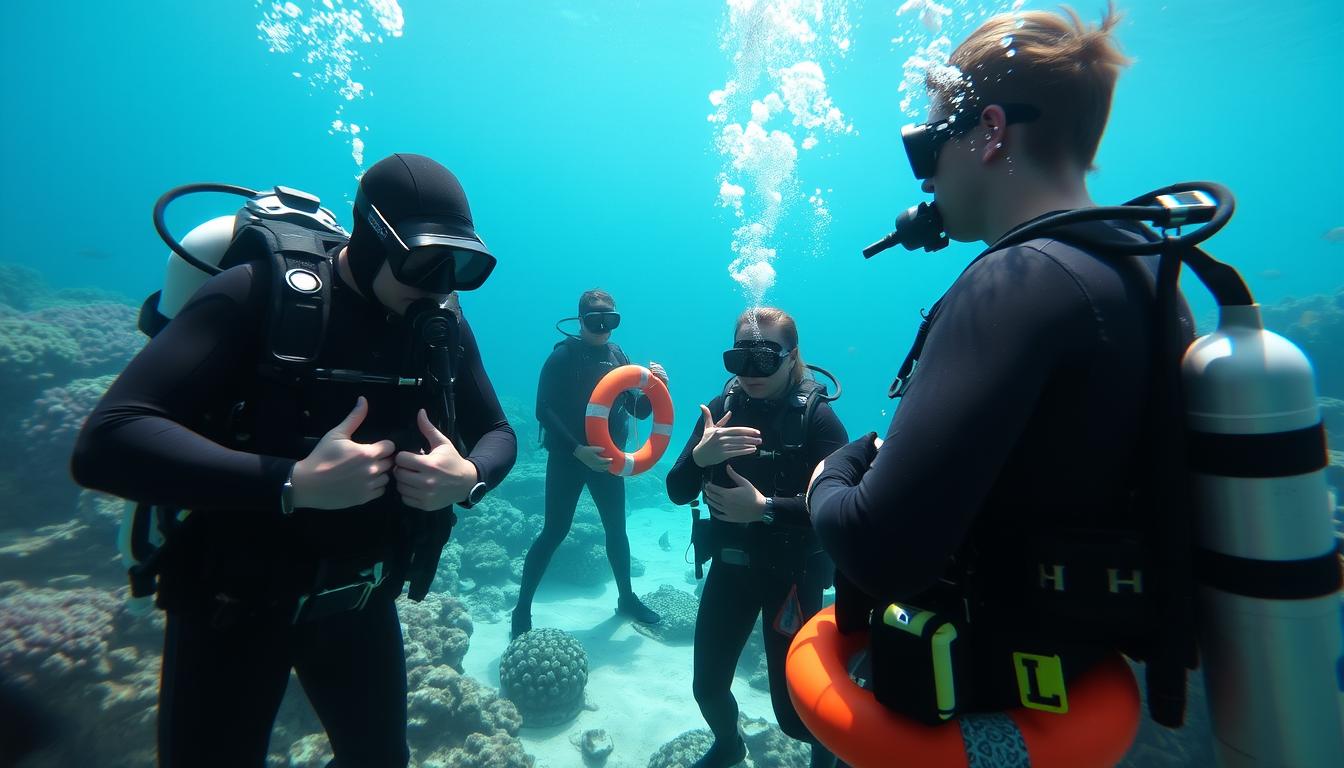
Exploring the ocean’s depths through scuba diving or snorkeling offers incredible adventures. The vibrant marine life and stunning underwater landscapes create unforgettable memories. However, these activities require careful preparation and awareness.
According to Divers Alert Network (DAN), 99% of diving problems come from avoidable errors. This startling statistic highlights how proper training and preparation can prevent most incidents. Getting certified through reputable training agencies provides essential skills for safe exploration.
The goal isn’t to eliminate all risk but to manage it effectively. Following established standard safe diving practices developed over decades of experience makes water activities much safer. Whether you’re a beginner snorkeler or experienced technical diver, these fundamentals protect your wellbeing.
This guide draws from professional diving organizations and real-world incidents. It provides actionable information that applies to both divers and snorkelers. The specific techniques may vary based on activity and depth, but the core principles remain consistent.
Key Takeaways
- Most diving incidents result from preventable human errors rather than equipment failure
- Proper certification from recognized agencies establishes essential safety foundations
- Risk management focuses on understanding and minimizing dangers, not eliminating them
- Safety principles apply to both scuba diving and snorkeling activities
- Following established protocols developed through decades of experience enhances protection
- Continuous education and preparation are crucial for safe underwater exploration
- Buddy systems and proper equipment checks are fundamental to dive safety
Overview of Underwater Safety Practices
Marine exploration brings extraordinary experiences but also distinct physiological demands. The aquatic environment presents challenges that require specialized knowledge and preparation.
Why Safety is Paramount in Underwater Adventures
Pressure changes, limited air supply, and temperature variations create unique risks. These conditions can lead to disorientation if not properly managed.
Proper training establishes the foundation for recognizing and responding to potential hazards. This knowledge makes the difference between a successful dive and a dangerous situation.
The Importance of Certification and Pre-Dive Health Checks
Certification from organizations like PADI or NAUI provides essential skills. Divers learn dive physics, equipment operation, and emergency procedures in controlled environments.
Medical examinations before training ensure fitness for diving activities. Certain conditions like heart problems or respiratory issues require careful consideration.
Diving with congestion or illness increases risks of barotrauma and impaired judgment. Ongoing education through specialty courses maintains safety margins throughout a diver’s career.
Planning and Preparing for Your Dive
A well-structured dive plan serves as your roadmap for navigating aquatic environments securely. This preparation phase determines the success of your entire experience.
Professional divers follow the golden rule: “Plan Your Dive, Dive Your Plan.” This principle prevents most incidents that occur from improvisation underwater.
Creating a Comprehensive Dive Plan
Every effective plan starts with depth and time limits. Discuss maximum depth and bottom time with your buddy before entering.
Environmental conditions significantly impact your strategy. Check currents, visibility, and water temperature during planning.
Starting deep and ascending gradually saves air dramatically. At 20 meters, air consumption triples due to increased density.
Establish clear communication signals and separation procedures. Agree on air reserve limits and emergency protocols.
Your dive computer helps track depth and time accurately. Always have contingency plans for changing conditions.
Match your plan to certification levels and experience. Avoid pushing beyond training or comfort zones for secure exploration.
Key Gear and Equipment Checks
Equipment failure accounts for many preventable diving incidents, highlighting the importance of proper gear maintenance. Systematic inspections before each dive ensure all components function correctly when you need them most.
Your scuba equipment forms your life support system underwater. Every piece requires careful examination before use.
Pre-Dive Inspections and Equipment Setup
Begin with the tank and regulator system. Check air pressure and ensure the regulator delivers smooth breaths without resistance.
Test your BCD’s inflation and deflation mechanisms thoroughly. Verify all hoses for cracks and proper attachment.
The buddy check procedure catches overlooked issues. Use the BWRAF method: BCD, Weights, Releases, Air, Final check.
Tools and Accessories Critical for Safety
Several accessories provide crucial protection during dives. A surface marker buoy ensures visibility during ascents.
Carry a cutting tool accessible with either hand. Signaling devices like whistles help during surface emergencies.
Your dive computer and gauge must have functioning batteries. Check readability in various light conditions.
Proper gear maintenance prevents problems before they occur. Never rush through these essential checks.
Mastering “Underwater Safety Practices”
Advanced diving capabilities center around three critical skill sets: buoyancy management, pressure equalization, and buddy coordination. These techniques separate recreational divers from truly competent practitioners.
Techniques for Proper Buoyancy and Equalization
Never hold your breath while using scuba equipment. Continuous breathing prevents dangerous pressure changes during ascent. Proper buoyancy control maintains your position in the water column.
Master neutral buoyancy through correct weighting and BCD adjustments. This reduces air consumption and prevents accidental descents. Equalize ear pressure frequently during descent to avoid injury.
Use your dive computer to monitor ascent rate. Make a safety stop at 5 meters for three minutes. This allows nitrogen decompression before surfacing.
Effective Buddy Systems and Emergency Protocols
The buddy system provides essential backup during dives. Maintain visual contact and establish clear communication signals. Regular air checks ensure both divers stay within limits.
If separated from your buddy, search for one minute then ascend slowly. Practice emergency procedures like shared air scenarios. Proper preparation makes every dive more secure.
Expert Tips from Diving and Snorkeling Professionals
Professional divers develop habits that transform air management from a concern into second nature. Their expert tips come from thousands of hours beneath the surface.
These insights help both scuba diving enthusiasts and snorkelers maximize their underwater time safely.
Strategies for Efficient Air Management
Check your pressure gauge every five minutes like checking a wristwatch. This habit prevents surprises and helps track consumption patterns.
Poor air use isn’t a lung capacity problem. It stems from stress and improper buoyancy control. Focus on slow, complete exhalations to force relaxation.
Common mistakes include shallow breathing and over-kicking. Cold water dramatically increases consumption. Proper weighting and thermal protection make a significant difference.
Learning from Real-Life Experiences and Mistakes
Seasoned divers follow simple rules: if you can’t describe your purpose at maximum depth in one sentence, reconsider the dive. Every deep excursion needs clear justification.
This wisdom comes from real-world experience and incident analysis. Continuous training and learning from others’ errors accelerates skill development.
These professional tips help divers make smarter decisions about when to dive, when to surface, and how to manage their tank reserves effectively.
Staying Within Limits and Managing Risks
Understanding your personal boundaries is the cornerstone of a long and enjoyable diving career. These limits are not restrictions but safeguards. They protect you from the increased risks associated with greater depth and complexity.
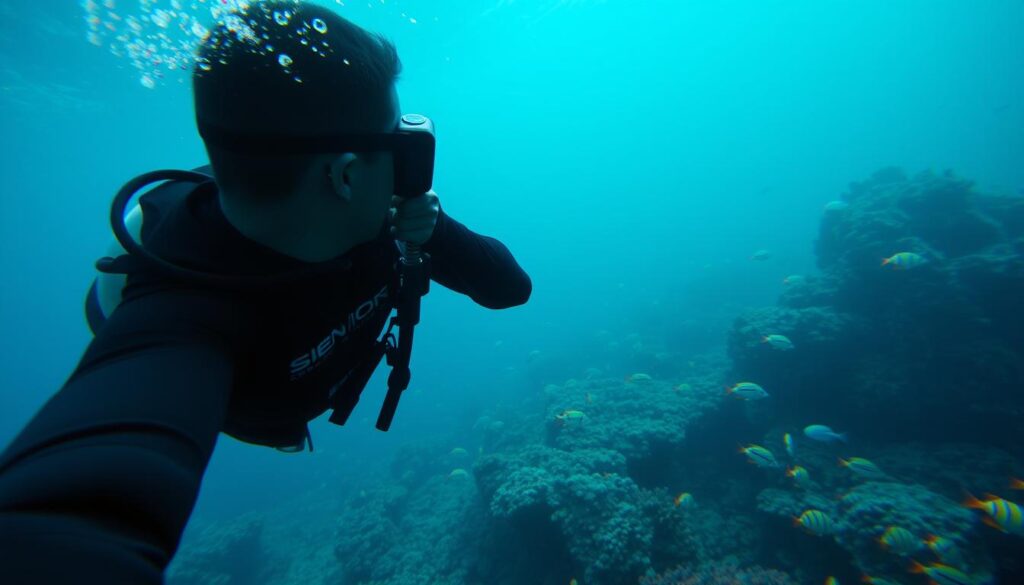
The most fundamental rule is to always dive within your training, experience, and comfort zone. Pushing beyond these boundaries is a primary factor in serious incidents. It is crucial to respect your body‘s capabilities and understand your buddy’s limits as well.
Recognizing and Respecting Your Physical Limits
Your certification level defines your recommended maximum depth. This is a key part of managing risk in scuba diving.
| Certification Level | Maximum Recommended Depth | Key Considerations |
|---|---|---|
| Open Water Diver | 18 meters (60 feet) | Foundation skills; ideal for shallow reef exploration. |
| Advanced Open Water Diver | 30 meters (100 feet) | Introduces deeper diving; awareness of nitrogen narcosis begins. |
| Advanced with Deep Specialty | 40 meters (130 feet) | Recreational limit; requires specialized training for added safety. |
| All Recreational Divers | 40 meters (130 feet) | Absolute limit for most insurance; beyond this is technical diving. |
Signs you are approaching your limits include anxiety, rapid breathing, or disorientation. Deeper dives accelerate nitrogen absorption, increasing the risk of decompression sickness.
After your dive, a proper surface interval is vital. Avoid flying for at least 24 hours to prevent decompression sickness. This allows nitrogen to safely leave your body.
Respecting these rules ensures every ascent is a safe return to the surface. It allows divers to enjoy the sport for a lifetime.
Conclusion
Responsible diving culture depends on each individual’s dedication to established protective measures. These protocols represent decades of collective wisdom from the global diving community.
Safe exploration is an ongoing journey requiring continuous skill development. Proper insurance provides essential financial protection for medical emergencies and equipment issues.
By consistently applying these fundamental rules, divers can focus on the incredible experiences rather than preventable problems. This approach ensures every return to the surface brings anticipation for future adventures.