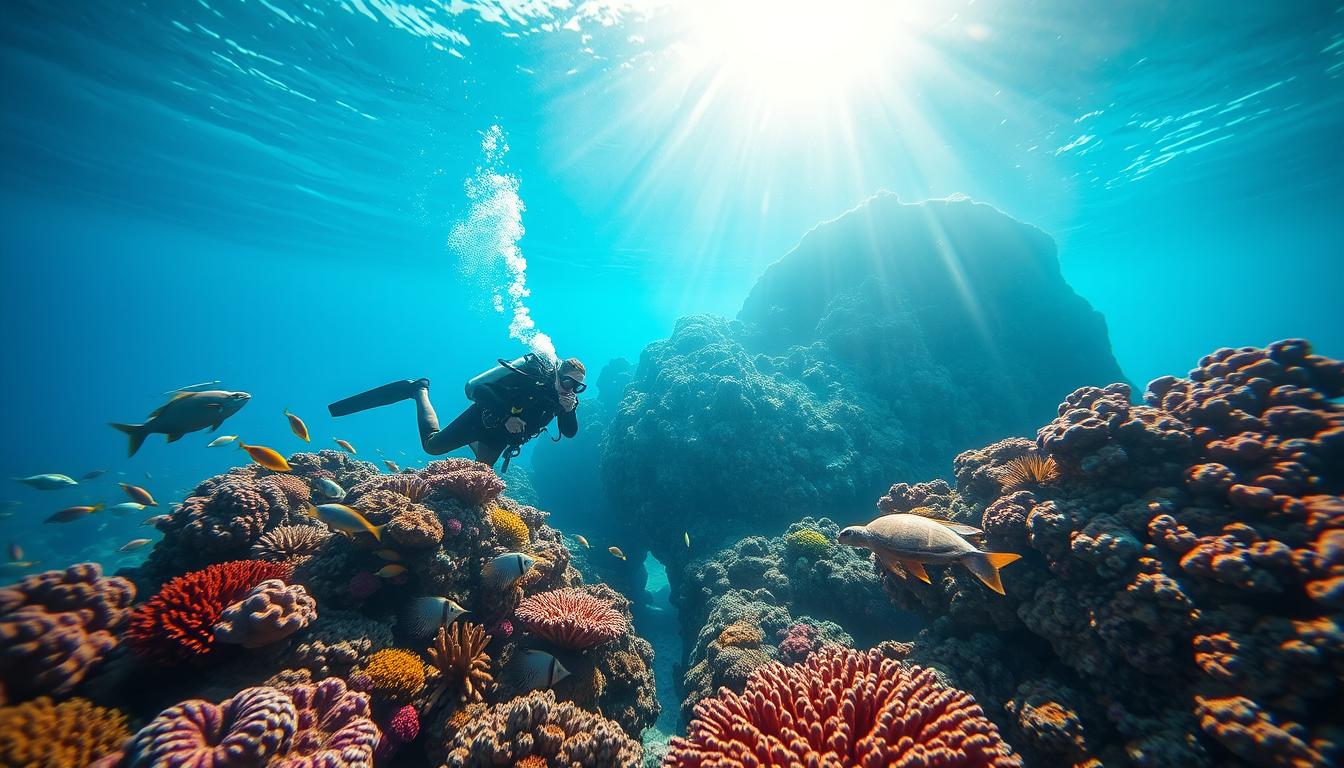
Exploring underwater worlds offers incredible adventures, but success depends heavily on environmental factors. The right combination of elements creates safe and enjoyable underwater excursions.
Surface weather significantly impacts what happens below. Wind patterns, precipitation, and sunlight affect water clarity and movement. Understanding these relationships helps divers plan effectively.
Currents, visibility, temperature, and tides each play vital roles in underwater exploration. These factors determine whether your time beneath the surface will be memorable or challenging.
Proper preparation separates rewarding experiences from potentially dangerous situations. Knowing your limits and having appropriate gear ensures safety throughout your aquatic adventures.
Key Takeaways
- Environmental factors directly impact underwater safety and enjoyment
- Surface weather conditions affect water clarity and movement patterns
- Currents, visibility, temperature, and tides are critical evaluation points
- Proper preparation and gear selection enhance diving experiences
- Understanding personal limits ensures safer underwater exploration
- Weather forecasts help predict optimal timing for aquatic activities
- Continuous condition monitoring throughout the day is essential
Understanding Diving Conditions
Planning a safe and memorable underwater journey begins with understanding key environmental variables. These elements work together to create ideal circumstances for exploration.
Weather’s Role in Dive Safety
Surface weather patterns directly influence what happens below the waves. Overcast skies, strong winds, and precipitation can create hazardous situations.
Checking detailed forecasts is essential before any aquatic activity. Regions like Florida experience rapid changes throughout the day. Postponing your plans when storms approach ensures everyone’s safety.
Visibility and Underwater Clarity
Water clarity determines how far you can see during your adventure. Light penetration and particle concentration affect this critical factor.
Poor visibility limits your ability to appreciate marine wonders. It also creates safety concerns when maintaining visual contact with companions. Clear communication protocols become vital in murky environments.
| Condition Factor | Optimal Scenario | Challenging Scenario | Safety Impact |
|---|---|---|---|
| Weather Patterns | Calm, clear skies | Storms, high winds | High risk cancellation |
| Water Clarity | 50+ feet visibility | Less than 15 feet | Buddy separation risk |
| Surface Conditions | Gentle waves | Rough seas | Entry/exit difficulty |
“The ocean doesn’t care about your plans. Smart divers respect weather warnings and visibility reports.”
Surface elements profoundly impact the underwater world. Adequate visibility ensures both enjoyment and security during your exploration.
Evaluating Environmental Factors for a Successful Dive
Understanding water flow and thermal variations is essential for planning successful underwater adventures. These elements work together to create the environment you’ll navigate.
Analyzing Currents and Tidal Patterns
Water movement ranges from gentle drifts to powerful currents. Surface currents affect shore entries while deep ocean currents impact submerged navigation.
Strong currents challenge swimming and increase air consumption. They can separate divers from groups, making safety tubes essential equipment.
Tidal patterns significantly change dive areas. Low tide exposes more terrain and creates stronger water movement. High tide deepens sites and alters current flow.
Impact of Water Temperature and Surge
Water temperature varies by location, depth, and season. Warm environments need thin lycra suits while colder waters require thicker wetsuits.
Surge represents back-and-forth wave movement. This makes shore entries challenging with heavy gear. Proper preparation helps manage these conditions.
| Water Movement Type | Diver Experience | Safety Considerations | Gear Recommendations |
|---|---|---|---|
| Gentle Currents | Easy navigation | Low risk | Standard equipment |
| Strong Currents | Challenging swimming | Safety tube required | Reef hooks helpful |
| Significant Surge | Difficult positioning | Buddy contact vital | Extra weight may help |
| Variable Tides | Changing conditions | Timing critical | Depth gauge essential |
Understanding these factors ensures safer and more enjoyable underwater exploration. Always check local reports before entering the water.
Planning Your Dive: Tips and Tricks
Smart underwater explorers know that preparation begins long before entering the water. Checking forecasts ensures you have proper gear for the anticipated diving conditions. This proactive approach separates rewarding experiences from potentially challenging situations.
Local knowledge becomes invaluable when planning dives in unfamiliar areas. Experienced divers in the region understand how weather patterns affect specific locations. Their insights help newcomers interpret forecasts accurately for safer water activities.
Selecting the Ideal Dive Site
Choosing the right location involves more than picking a popular spot. Always have backup options ready since conditions can change unexpectedly. Knowing nearby alternative sites allows quick adaptation when your primary choice proves unsuitable.
Consider how each site faces wind and wave direction. Protected areas offer safer entries during variable weather. This strategic selection process ensures enjoyable dives while maintaining safety standards.
Preparing for Sudden Weather Changes
Flexibility remains crucial when dealing with unpredictable elements. Sudden shifts might require switching from shore to boat diving or relocating entirely. Having multiple plans ready makes these transitions smooth.
Your personal limits apply to environmental assessments as much as underwater skills. Never compromise safety for the sake of completing a planned dive. Proper preparation ensures both security and enjoyment during your aquatic adventures.
Navigating Weather Forecasts and Tidal Data
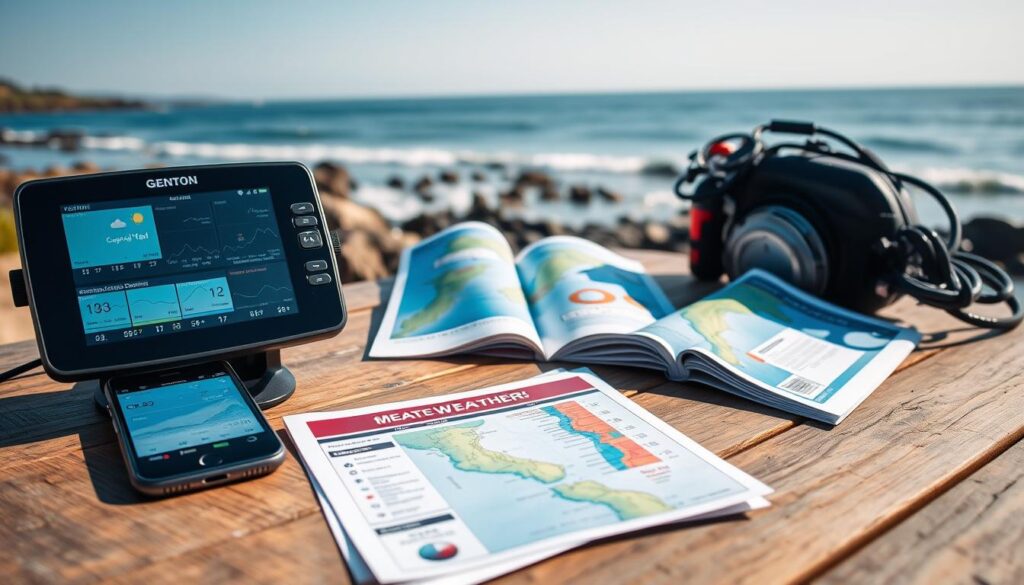
Modern technology provides powerful tools for predicting ideal diving windows. Understanding how to interpret marine forecasts separates prepared adventurers from those who gamble with unpredictable elements.
Interpreting Wind, Wave, and Tide Forecasts
Wind speed measurements in knots reveal immediate surface conditions. Light winds under 7 knots mean calm water perfect for underwater activities. Moderate winds between 8-16 knots create surface chop requiring protected locations.
Wind direction arrows show where air movement originates. Offshore winds often calm surface waters while onshore winds can cause upwelling. This knowledge helps select sites facing away from incoming weather patterns.
Wave height under 1 foot indicates excellent surface conditions. Heights of 2-3 feet create challenging entries requiring caution. The period between waves also matters greatly for comfort and safety.
Tidal patterns follow predictable astronomical cycles. Semidiurnal tides bring two high and two low tides daily. Slack water between tide changes offers the calmest entry points for shore activities.
Using NOAA and Windy Tools for Dive Planning
NOAA Marine Forecasts provide reliable data for United States waters. These detailed reports include wind speed, wave height, and tidal information specific to your region. The hourly time sliders help plan your entire day.
Windy offers real-time visualization of global weather patterns. This tool helps see how wind direction affects your chosen location. Combining both resources creates comprehensive preparation.
Always check multiple data points against your planned site’s orientation. Understanding correlations between elements ensures safer water entry. Remember that adverse conditions can affect visibility for days afterward.
Best Conditions for Scuba Diving: A Step-by-Step Guide
Proper gear selection transforms good underwater experiences into exceptional ones. This systematic approach ensures safety while maximizing enjoyment beneath the surface.
Gear Up for Optimal Safety
Begin with weather assessment before any aquatic activity. Check forecasts for strong winds exceeding 17 knots and heavy precipitation. Lightning requires immediate cancellation of plans.
Evaluate visibility conditions carefully. Clear water enhances marine life appreciation and maintains buddy contact. Murky environments demand established communication protocols.
Current analysis proves crucial for navigation planning. Strong water movement increases air consumption and separation risks. Most charters require safety tubes for these situations.
Temperature preparation varies by location and depth. Choose 1mm lycra for warm environments or thicker 3mm wetsuits for colder excursions. Protect extremities against significant heat loss.
Tide examination affects site accessibility throughout the day. Low tides expose more area and create stronger currents. High tides deepen water and alter flow patterns.
Follow essential safety protocols during final checks. Verify no storms approach and visibility remains adequate. Ensure gear matches anticipated water conditions.
Conclusion
Successful underwater experiences hinge on respecting nature’s variables rather than battling against them. This mindset transforms planning from guesswork into systematic preparation.
Knowledge about environmental factors empowers informed decisions before entering aquatic environments. Understanding how weather patterns affect water clarity and movement ensures safer excursions.
Proper preparation includes appropriate equipment selection and established safety protocols. These measures significantly reduce risks when facing challenging situations.
Consistent monitoring of forecasts and local reports guarantees enjoyable adventures. You now possess comprehensive understanding to handle various scenarios confidently.