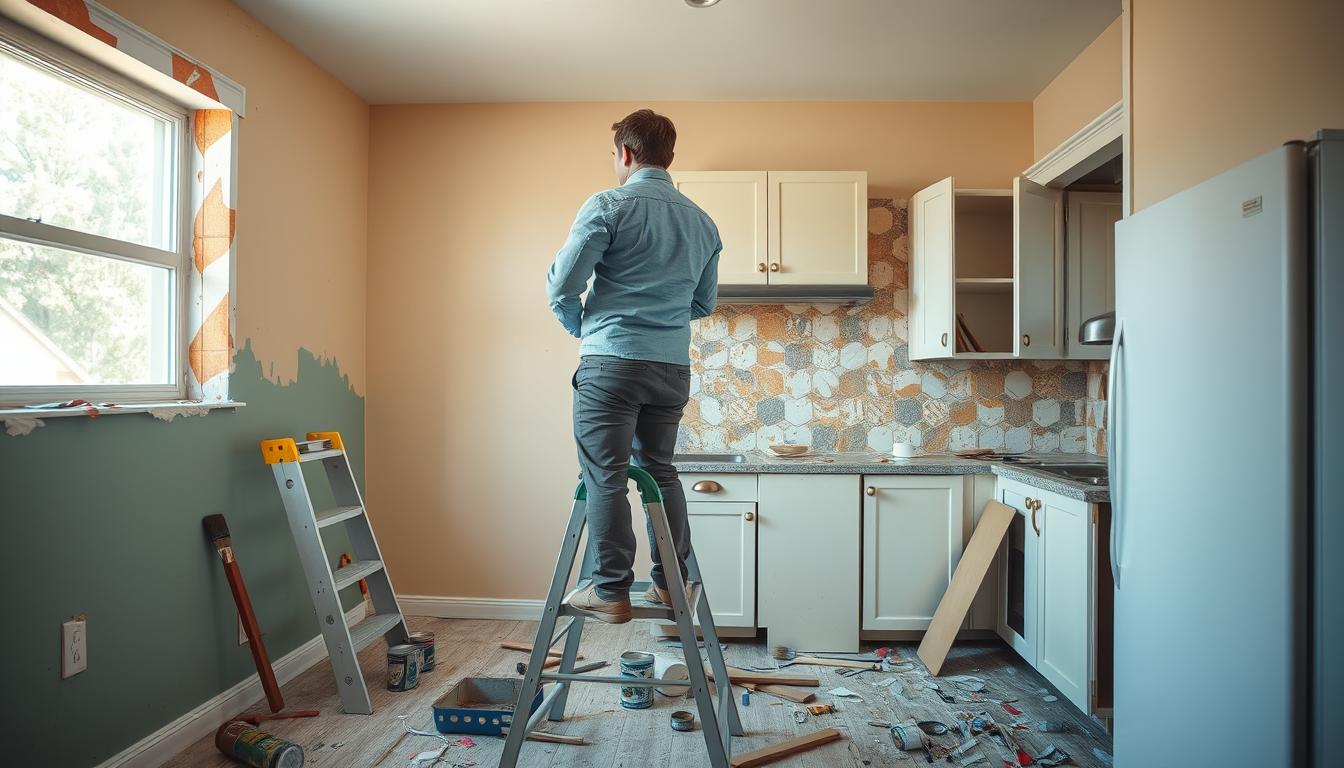
Starting a renovation project is exciting. You dream of a beautiful new space. But many homeowners jump in without a full plan. This can lead to serious home renovation mistakes.
These errors often cause big financial losses. They can also create safety issues. The final result might not meet your hopes. It may even lower your property’s value.
Understanding these pitfalls before you begin is powerful. It lets you plan your improvements better. You can allocate your budget wisely. This knowledge helps you make smart decisions at every step.
Whether it’s a small update or a major remodel, knowing what to avoid is key. It sets realistic expectations. It saves you from the frustration of preventable errors. A little preparation makes the entire process smoother.
Key Takeaways
- Proper planning prevents costly errors and project delays.
- Unrealistic budgets are a primary cause of renovation stress.
- Hiring the right contractor is crucial for a successful outcome.
- Choosing materials wisely balances cost, quality, and longevity.
- Ignoring necessary permits can lead to legal and safety issues.
- Clear communication with your team ensures everyone is aligned.
- Learning from others’ experiences helps you avoid repeating their errors.
Understanding the Scope of Home Renovation Projects
Before the first hammer swings, a clear vision for your property transformation is essential. A well-defined scope acts as your project’s blueprint. It guides every decision and keeps the work on track.
Experts often note that planning a renovation takes longer than the physical work itself. This upfront investment of time pays off immensely. It helps you avoid mid-project surprises and costly changes.
Setting Realistic Goals for Your Project
Be honest about what you want to achieve. Consider your available budget and the current state of your property. Realistic expectations are the cornerstone of a smooth process.
It’s easy to dream big, but feasibility matters. Ask yourself how much time you can truly dedicate to managing the endeavor. A complete remodel can take six months or more.
Assessing the Extent of Required Improvements
Look beyond paint colors and new fixtures. Prioritize structural, electrical, and plumbing systems. These hidden things are critical for safety and longevity.
A professional inspection before you start is wise. It reveals underlying issues that could derail your plans. This knowledge lets you allocate funds where they’re needed most.
| Project Type | Average Planning Phase | Average Completion Time | Key Considerations |
|---|---|---|---|
| Kitchen Update | 4-6 weeks | 3-5 months | Appliance lead times, cabinet customization |
| Bathroom Remodel | 3-5 weeks | 2-4 months | Plumbing complexity, tile work |
| Whole-House Renovation | 8-12 weeks | 6+ months | Phasing, permit approvals, multiple trades |
Understanding these timelines helps set a practical schedule. Allow extra time for unexpected delays like material shortages or weather.
Crafting a Realistic Renovation Budget
A well-structured financial plan separates successful renovations from problematic ones. Your budget serves as the financial roadmap for your entire project.
Identifying All Potential Costs
Conduct a comprehensive cost analysis before starting any work. Account for materials, labor, permits, and demolition expenses.
The larger the job, the more expensive it becomes. Electrical upgrades alone can cost $20,000 or more depending on your home’s size and condition.
Include a substantial contingency fund of 10-20% for unexpected issues. This money covers surprises that arise once walls are opened.
Your spending amount should match your property’s value and expected return. Avoid over-improving beyond what the market supports.
Understand the true cost of quality materials versus cheaper alternatives. This helps you decide where to invest your money for long-term satisfaction.
Avoiding common home improvement mistakes
The difference between a successful remodel and a frustrating experience often lies in foresight and preparation. Many property owners dive into renovations with enthusiasm but lack the awareness needed to navigate potential challenges.
Education and careful planning form the foundation for sidestepping predictable problems. Learning from others who have completed similar projects provides invaluable insights.
Recognizing Pitfalls Before They Happen
Frequent renovation errors share consistent patterns. These include inadequate preparation, unrealistic budgets, and poor contractor selection.
Many people repeat the same errors by rushing into work without proper research. They may underestimate complexity or let design excitement override practical considerations.
Understanding that many issues are preventable empowers you to ask better questions. This awareness helps protect your investment throughout the process.
Proactive recognition involves creating checklists and establishing communication channels. Building review points into your timeline lets you address concerns before they escalate.
Studying typical renovation mistakes develops your ability to spot warning signs early. This knowledge maintains control over your project’s direction and outcome.
Choosing the Right Contractor for Your Project
Selecting the proper professional for your construction work requires careful vetting. This decision impacts your entire renovation experience. The right contractor ensures quality results and smooth progress.
Verifying Licenses and Insurance
Always confirm that your contractor holds valid licenses and adequate insurance coverage. Licensed professionals demonstrate proven competency. Proper insurance protects you from liability issues.
In many states, specific trades require specialized certifications. Electrical work often demands separate licensing. Verify credentials through official regulatory bodies.
Comparing Detailed Quotes
Receive multiple estimates before making your final choice. Thorough quotes specify materials by brand and model. They should include all labor costs and permit fees.
Be wary of unusually low bids. These often exclude critical items or use inferior materials. Contact 10-20 previous clients to assess long-term satisfaction.
Quality contractors provide comprehensive documentation. They avoid cash-only arrangements without proper receipts. Your investment deserves transparent, professional service.
Prioritizing Structural Integrity Over Surface Finish
While beautiful finishes capture attention, the true value of a renovation rests on its structural soundness. Experts recommend addressing foundational issues before cosmetic upgrades. This approach protects your investment long-term.
Begin with a professional inspection of your property. This reveals hidden concerns in roofs, foundations, and load-bearing walls. These discoveries shape your project scope and budget.
Even kitchen updates require structural consideration. Ensure ventilation systems properly vent outside, not into attics. Repair any water damage from previous appliance failures.
Ignoring foundational work creates future problems. Beautiful surfaces installed over compromised structures will eventually show damage. The exciting part of selecting finishes should follow structural repairs.
Proper sequencing starts with essential systems. Address electrical, plumbing, and framing needs first. Then enhance your space with aesthetic improvements that will last for decades.
Securing Necessary Permits and Inspections
The permit process represents one of the most overlooked aspects of property renovations. Many people view it as unnecessary bureaucracy rather than essential protection. This mindset can lead to serious legal and financial consequences.
Property owners bear ultimate responsibility for ensuring proper documentation. Even if your agreement states the contractor handles permits, you remain liable. Unpermitted work creates significant risks during future sales.
Understanding Local Building Codes
Different types of construction require specific permits. Structural changes need building permits, while electrical modifications demand separate documentation. Plumbing and HVAC installations often require their own approvals.
The inspection schedule provides critical quality checkpoints. Officials verify work meets safety standards before walls are closed. This process catches errors that could become dangerous hidden problems.
Contractors who suggest skipping permits present major red flags. Their discounted pricing often comes with enormous future costs. Proper documentation protects your investment and ensures marketability.
Discovery of unpermitted work can force complete demolition and rebuilding. It may also lead to legal penalties and difficulty selling your property. The temporary savings never justify these permanent consequences.
Selecting High-Quality Renovation Materials
Material quality is the silent partner in every successful home transformation, influencing both daily use and future value. The right choices create spaces that feel substantial and perform reliably for years. Poor selections lead to constant maintenance and premature replacement.
Budget constraints often tempt property owners toward cheaper alternatives. This creates a false economy where initial savings disappear into early repairs. Quality materials withstand wear while maintaining their appearance.
Balancing Cost and Durability
Smart spending means understanding where premium products deliver real value. You don’t need the most expensive options everywhere. Focus your investment on high-impact areas and essential components.
Critical elements deserve particular attention. Never compromise on waterproofing systems or structural components. These hidden elements protect your entire investment.
- Kitchen and bathroom materials face intense daily use
- Flooring and countertops endure constant wear
- Moisture-resistant products prevent long-term damage
- Fixtures and appliances impact both function and resale value
Evaluate materials beyond purchase price. Consider installation costs, maintenance needs, and expected lifespan. The right amount to spend depends on your property’s value and ownership timeline.
Consult experienced contractors about real-world performance. View installed examples before deciding. This research ensures your selections deliver both beauty and durability.
Effective Project Planning and Preparation
Proper organization before construction begins can determine the entire outcome of your renovation. A detailed project plan serves as your roadmap, guiding every decision and keeping the work on track.
Developing a Comprehensive Work Plan
Break your renovation into clear, manageable tasks. Identify what needs to happen first and what depends on other work being completed.
This work plan should specify required materials and tools for each phase. It helps everyone understand their responsibilities clearly.
Scheduling and Timeline Management
Realistic time estimates are crucial for smooth progress. Build in extra days for unexpected delays that often occur.
Coordinate material deliveries with your construction schedule. This prevents costly work stoppages when items arrive late.
| Project Phase | Key Activities | Time Required | Critical Dependencies |
|---|---|---|---|
| Pre-Construction | Final designs, permits, material orders | 4-8 weeks | Design approval, permit issuance |
| Demolition | Site preparation, removal of old materials | 1-2 weeks | Permit clearance, utility disconnects |
| Structural Work | Framing, electrical, plumbing rough-ins | 3-6 weeks | Demolition completion, inspections |
| Finishing | Drywall, flooring, fixtures, paint | 4-8 weeks | All structural work signed off |
Good planning makes the entire process more efficient. It reduces confusion and keeps your project moving forward smoothly.
Managing Renovation Timelines and Avoiding Rushed Decisions
Patience proves more valuable than speed when navigating the unpredictable nature of property upgrades. Virtually every renovation takes longer than initially estimated. This reality requires careful timeline management.
Material backorders, weather delays, and inspection scheduling often extend project durations. Rushing through this process can lead to regrettable choices. Proper planning helps avoid these pitfalls.
Allowing for Unexpected Delays
Build contingency time into your schedule from the start. Discovery of hidden issues behind walls frequently impacts timelines. Custom materials may require extended lead times.
The pressure to make quick decisions during active construction creates risks. Finalize all major choices during the planning phase. This prevents expensive errors you’ll live with for years.
| Delay Type | Typical Impact | Mitigation Strategy |
|---|---|---|
| Material Backorders | 2-4 weeks | Order materials early with flexible alternatives |
| Permit Processing | 3-6 weeks | Submit applications well before start date |
| Weather Conditions | Variable | Plan exterior work during favorable seasons |
| Unexpected Structural Issues | 1-3 weeks | Include thorough inspection in budget |
If your circumstances require quicker results, consider scaling back the scope. Focus on cosmetic updates rather than comprehensive renovations. This approach delivers visible improvements without extended timelines.
Implementing Rigorous Safety Measures on Site
Safety protocols form the invisible foundation of every successful renovation. One expert learned this through personal experience. While gutting a room quickly, he ignored advice to clean up debris.
He placed a chair over garbage covering the floor. One leg sank through a hidden heat register opening. The resulting fall taught him that organization prevents accidents.
https://www.youtube.com/watch?v=jXac6ZAQk2w
Cluttered work areas create trip hazards and hide dangers. Proper housekeeping allows clear visibility and emergency access. This simple practice significantly reduces injury risks.
Personal protective equipment is non-negotiable. Safety glasses shield eyes from flying particles. Dust masks protect lungs during sanding operations. Work gloves prevent cuts from sharp materials.
Tool safety requires following manufacturer instructions. Inspect equipment for damage before each use. Never bypass safety features to save time.
| Protection Type | Key Equipment | Necessity Level | Cost Range |
|---|---|---|---|
| Eye Protection | Safety glasses, goggles | Essential | $10-$50 |
| Respiratory | Dust masks, respirators | High | $5-$100 |
| Hand Protection | Work gloves | Essential | $15-$40 |
| Hearing | Ear plugs, muffs | Moderate | $10-$30 |
Electrical safety demands shutting off power at the breaker. Only qualified electricians should perform wiring work. Use GFCI outlets in wet areas for added protection.
Proper ventilation is crucial when working with fumes. Open windows and use exhaust fans during painting. This prevents respiratory damage from toxic exposure.
Homeowners must ensure contractors follow safe practices. Keep children and pets away from work zones. Have emergency contact information readily available.
Balancing DIY Efforts with Professional Expertise
The decision to tackle projects yourself or hire experts requires careful consideration of multiple factors. Many people enjoy the satisfaction of hands-on work. However, overestimating abilities can lead to expensive corrections.
Start by honestly evaluating your skills and available time. Simple tasks like painting or demolition often work well for DIY. Complex electrical or plumbing systems demand professional training.
Consider the true cost of your approach. Tool rentals and material waste add up quickly. Mistakes may require a contractor to fix them properly.
Some renovation work legally requires licensed professionals. Electrical modifications and structural changes fall into this category. Attempting these yourself could void insurance coverage.
| Project Type | DIY Suitability | Professional Required | Key Considerations |
|---|---|---|---|
| Interior Painting | High | No | Preparation time, proper ventilation |
| Fixture Installation | Moderate | Sometimes | Plumbing connections, electrical safety |
| Demolition Work | High | No | Safety gear, debris disposal |
| Electrical Systems | Low | Yes | Licensing, code compliance, safety |
| Structural Changes | Low | Yes | Permits, engineering, liability |
A hybrid approach offers the best way forward. Handle simple tasks yourself to save money. Hire experts for complex work that impacts safety and value. This balanced strategy prevents the common DIY renovation mistakes that derail projects.
Incorporating Energy Efficiency and Sustainable Upgrades
Today’s most forward-thinking property transformations integrate efficiency as a foundational element. These upgrades deliver immediate utility savings while increasing long-term value. Sustainable features appeal to environmentally conscious buyers.
Energy-efficient improvements span all systems in your property. Enhanced insulation reduces heating and cooling demands. High-performance windows minimize thermal transfer effectively.
Exploring Eco-Friendly Appliance Options
Selecting ENERGY STAR certified products represents a smart way to conserve resources. Tankless water heaters provide endless hot water while using energy only when needed. This approach eliminates constant temperature maintenance of large tanks.
Modern mini-split heat pumps offer efficient zone-controlled climate management. They condition only occupied spaces, reducing wasted energy. Electric vehicle charging infrastructure prepares your property for future transportation needs.
| Upgrade Type | Energy Savings | Installation Cost | Return Timeline |
|---|---|---|---|
| Tankless Water Heater | 24-34% | $1,200-$3,500 | 3-5 years |
| Mini-Split Heat Pump | 30-40% | $3,000-$8,000 | 5-7 years |
| Enhanced Insulation | 15-25% | $1,500-$4,000 | 2-4 years |
| EV Charging Station | N/A | $500-$2,000 | Value Addition |
The financial case for these improvements includes potential rebates and tax incentives. Proper installation ensures optimal performance of even the best products. Strategic upgrades address your property’s specific energy losses effectively.
Navigating Change Orders and Modification Requests
When renovation plans shift mid-project, change orders become essential documentation tools. These formal documents manage adjustments to the original agreement between property owners and contractors.
Change orders specify exactly what work will change and establish new costs. They adjust the timeline and clarify financial responsibility. Approved modifications become part of the original contract.
Some changes are optional, like upgrading finishes. Others are mandatory for safety or code compliance. Discovering structural damage requires immediate attention regardless of budget impact.
Optional changes after work begins often cause budget overruns. They disrupt workflow and may require redoing completed tasks. Thorough planning before construction minimizes these disruptions.
Homeowners should insist on detailed written documentation before authorizing changes. This protects both parties and prevents disputes about what was agreed upon for the project.
Ensuring Clear Communication with Contractors
Effective dialogue between property owners and construction professionals prevents misunderstandings that can derail even the most carefully planned projects. Establishing strong communication channels from the start creates a solid foundation for your home renovation.
Open communication builds trust and ensures everyone stays aligned throughout the process. This approach helps avoid costly errors and keeps your project moving smoothly.
Setting Up Regular Progress Updates
Determine your preferred communication methods early with your contractor. Options include phone calls for urgent matters, texts for quick updates, and emails for detailed documentation.
Establish a consistent schedule for progress reports. Daily check-ins work well for fast-moving work, while weekly updates suit longer projects.
Always document important conversations and decisions. Follow up phone calls with written summaries to create a clear record. This practice prevents misunderstandings later.
Designate one main contact person on each side. This streamlined approach ensures consistent information flow. It’s the best way to maintain clear communication throughout your project.
Be responsive when your contractor needs input or decisions. Prompt responses keep the work progressing without unnecessary delays.
Enhancing Future Resale Value through Smart Renovations
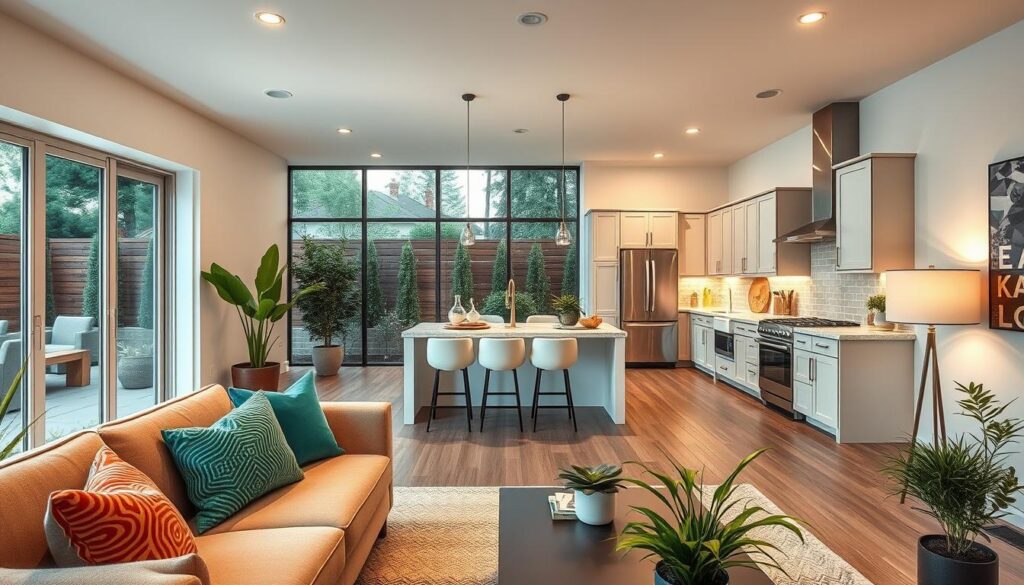
Thoughtful property enhancements deliver dual benefits: immediate enjoyment and long-term financial returns. Many sellers undertake updates before listing because buyers prefer move-in ready properties. Strategic thinking about which improvements offer the strongest return is essential.
Improving Curb Appeal and Timeless Design Choices
First impressions matter greatly in real estate. Exterior appearance influences whether buyers feel excited to view your property’s interior. Simple updates like repainting front doors or adding landscaping create positive initial reactions.
Kitchen and bathroom renovations consistently rank among the highest-value improvements. These spaces receive intense scrutiny from potential buyers. Focus on timeless design choices that appeal to diverse tastes.
Avoid trendy styles or extreme color schemes that may deter future owners. Practical improvements like added storage space often deliver better value than purely cosmetic updates. Balance your personal preferences with broad market appeal for maximum return.
Conclusion
Navigating the complexities of home improvement requires a strategic approach that balances vision with practicality. Successful renovations demand careful planning and informed decision-making at every stage.
The most satisfied homeowners share key traits: they invest time in thorough preparation, educate themselves about potential challenges, and maintain realistic expectations about timelines and budgets. They hire qualified contractors after careful vetting and prioritize structural integrity over purely cosmetic upgrades.
Avoiding renovation pitfalls isn’t about achieving perfection but making smart choices. Essential considerations include securing proper permits, selecting quality materials, and maintaining clear communication throughout the process. Resist the temptation to rush decisions or make major changes once work begins.
Your property transformation represents a significant investment of resources. By understanding what to avoid, you position yourself for a smoother experience. This approach leads to spaces that enhance daily living while protecting your financial investment for years to come.