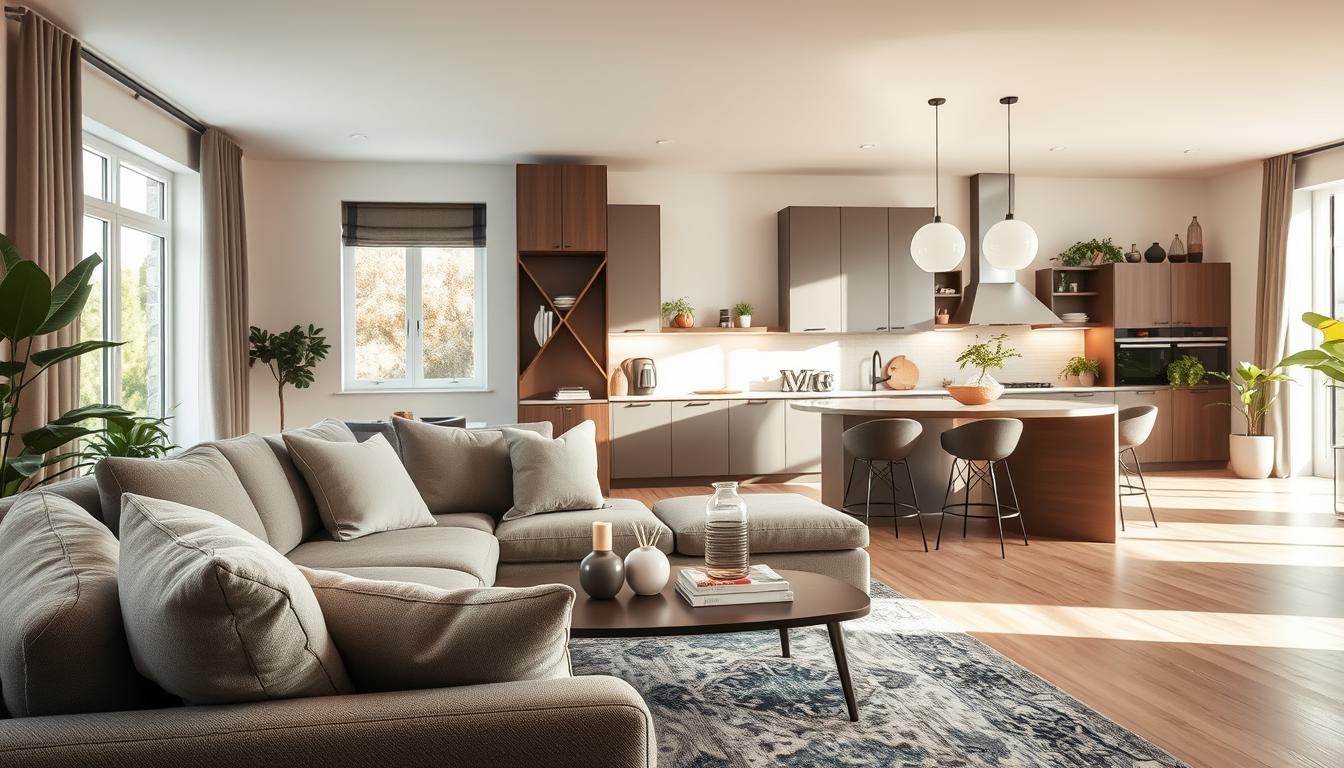
Your living space should work for you, not against you. Good design goes beyond looks. It creates an environment that supports your daily life and meets your practical needs.
A truly functional home makes everyday tasks simpler. It provides comfort for relaxation and adapts as your circumstances change over time. This thoughtful approach enhances your quality of life.
Your interior environment has a powerful effect. It influences your mood, comfort, and even productivity. Recognizing areas for enhancement is the first step toward a more efficient and enjoyable way of living.
Key Takeaways
- Good design focuses on practical needs as much as visual appeal.
- A functional space simplifies daily routines and reduces stress.
- Your environment directly impacts your well-being and productivity.
- Identifying current limitations is essential for effective upgrades.
- Strategic changes can add both immediate value and long-term benefits.
- Even small adjustments can make your home work better for you.
Assess Your Home Layout and Overall Design
Before selecting colors or furniture, take time to analyze the fundamental organization of your dwelling. This critical evaluation reveals how well your current setup supports daily activities. It helps identify areas that need adjustment for better efficiency.
Evaluate Room Flow and Flexibility
Observe how people move through different areas during typical days. Notice where traffic jams occur or where movement feels awkward. These patterns indicate whether your room designations still make sense.
Consider if formal spaces like dining rooms could serve better purposes. Many households find these areas underutilized. Repurposing them as offices or hobby spaces often creates more value.
Reassess Structural Elements for Better Space Utilization
Sometimes cosmetic changes cannot fix fundamental layout issues. Structural modifications may be necessary for significant improvement. Removing barriers between connected areas can transform how you experience your property.
Look at unused corners and challenging alcoves. These spots often accumulate clutter when left empty. Transforming them into functional features adds practical value to your entire dwelling.
Incorporate Natural Light and Smart Lighting Solutions
Lighting transforms a space from ordinary to extraordinary, shaping how you feel and function every day. Getting this element right requires careful attention to both natural and artificial sources.
Maximize Daylight for an Inviting Ambience
Natural light stands as one of the most powerful design tools available. It dramatically affects mood and makes any room feel more welcoming. South-facing windows capture sunlight throughout the day, creating warm, uplifting environments.
Consider your window treatments carefully. Choose options that allow daylight to filter through while maintaining privacy. Removing obstacles that block sunlight can completely change the way your interior looks and feels.
Balance Artificial Lighting to Enhance Mood
Artificial lighting should complement rather than compete with natural sources. Layered lighting creates flexibility for different activities and times of day. This approach prevents the clinical feel of overhead lights alone.
The smart lighting industry continues to innovate with solutions that adapt to your needs. These systems can mimic natural light patterns, supporting your daily rhythm and enhancing quality of life.
Proper lighting balance takes time to achieve but delivers significant rewards. It transforms not just the appearance but the entire experience of your living space.
Maximize Storage and Multi-Use Spaces
When every item has its designated spot, daily routines become effortless and stress-free. This principle transforms chaotic areas into organized zones that support your lifestyle.
Implement Customized Storage Solutions
Designated storage proves far more effective than general solutions. Instead of forcing belongings into random cabinets, create specific homes for each category. This approach prevents the haphazard accumulation that plagues many households.
Let your actual possessions dictate the type of storage you select. Customized systems accommodate your specific needs rather than forcing compromises. Specialty organizers maximize existing cabinetry with pull-out shelves and drawer dividers.
Many kitchens benefit from dedicated zones for utensils, appliances, and pantry goods. Consider building out underused corners or converting nearby closets. Pantries are making a strong comeback for good reason.
Create Multi-Functional Areas for Everyday Tasks
Not every dwelling has space for separate utility rooms. Clever design can integrate laundry areas into smaller footprints. Look for opportunities to combine functions without sacrificing efficiency.
Evaluate each room for dual-purpose potential. A guest room might double as a home office, while a dining area could transform into a workspace. Furniture with hidden compartments adds valuable storage without consuming extra square footage.
Built-in solutions make excellent use of vertical space. Floor-to-ceiling shelving and under-stair compartments turn dead zones into functional assets. These strategies help maintain the mantra: a place for everything.
Creative Approaches for Improving Home Functionality
The most successful interiors adapt gracefully as your family’s needs evolve over the years. Thinking ahead prevents costly renovations when life circumstances change.
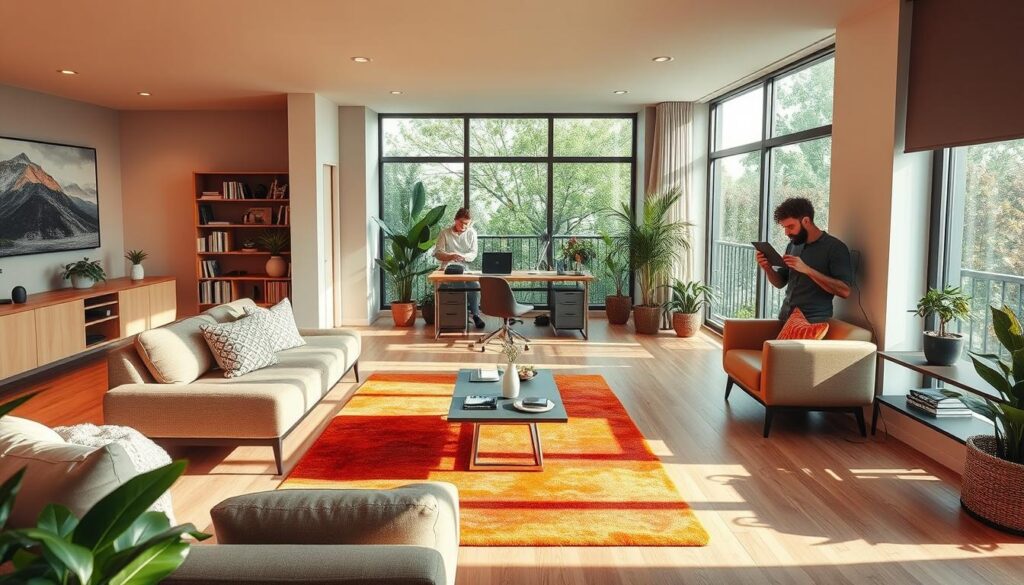
Innovative Layout Adjustments for Seamless Living
Flexible room configurations offer the greatest long-term value. Consider how spaces might serve different purposes in five or ten years. An open-plan area could later accommodate separate quiet zones.
Convertible furniture and removable partitions create adaptable environments. These solutions allow your dwelling to grow with your household.
Future-Proofing Your Home with Flexible Design
Evaluate each area for dual-purpose potential. A dining space might also function as a workspace. Built-in storage maximizes utility without sacrificing style.
Your personal expression matters greatly. Choose elements that reflect your personality while supporting practical needs. This balance creates a place where you feel authentically yourself.
Strategic planning today ensures your interior remains relevant through various life stages. It’s an investment in lasting comfort and efficiency.
Invest in Key Upgrades to Enhance Living Quality
Strategic investments in specific areas can dramatically elevate your daily experience within your property. Focus on rooms that see the most use and offer the highest return.
Modern Kitchen and Bathroom Enhancements
The kitchen serves as the heart of any house. An updated layout with a spacious island creates an inviting space for gathering.
Quartz countertops remain a popular choice for their durability and easy maintenance. They complement under-mount sinks and slab backsplashes beautifully.
Bathroom upgrades should prioritize both style and accessibility. Zero-threshold showers offer a sleek look while being future-proof for changing needs.
Humidity-sensing fans automatically control moisture levels. This prevents mold growth with minimal effort on your part.
Energy-Efficient and Outdoor Living Improvements
Garage door replacements provide excellent value. New doors with insulation and windows transform the space.
Outdoor areas have become essential extensions of indoor living. Decks and patios create versatile spaces for relaxation.
Consider these popular upgrades and their benefits:
| Upgrade Type | Key Features | Primary Benefits |
|---|---|---|
| Kitchen Island | Spacious design, eat-in option | Additional workspace, social hub |
| Zero-Threshold Shower | No lip, accessible design | Safety, modern appearance |
| Energy-Efficient Garage Door | Insulation, window options | Better temperature control, natural light |
| Outdoor Deck | Various materials, lighting options | Entertainment space, property value increase |
Each improvement contributes to a more comfortable and efficient lifestyle. Choose projects that align with your household’s specific routine.
Conclusion
Your journey toward a more efficient living environment begins with understanding how your space currently serves you. Creating a truly functional home demands careful evaluation of your present setup while planning for future needs.
This process evolves over time as your household changes. It’s not a single project but an ongoing adaptation to your lifestyle. The most successful enhancements blend visual appeal with practical utility.
Whether making small adjustments or undertaking larger projects, each step adds value. Focus on changes that address your most immediate challenges first. This approach builds toward a dwelling that truly supports your daily life.
Your home should reflect your personality while making everyday tasks simpler. By implementing the strategies discussed, you create an environment where comfort and efficiency work together seamlessly.