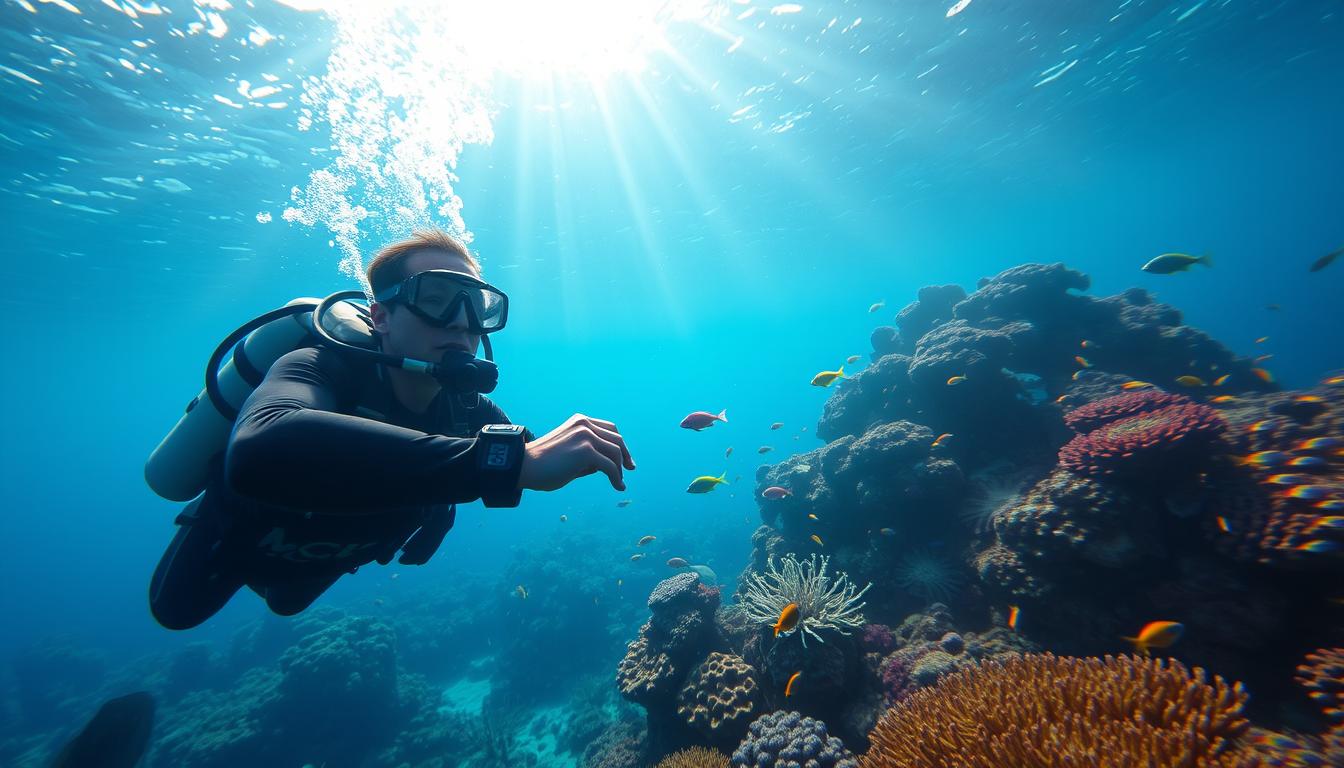
Feeling comfortable in aquatic environments transforms the entire experience for anyone who spends time in the water. Whether you’re a recreational swimmer or training for professional diving, developing strong water skills is essential for safety and enjoyment.
Building this ability requires consistent practice and proper training methods. The process involves both physical techniques and mental preparation. People at every skill level can benefit from focused work on their aquatic abilities.
This comprehensive guide provides actionable strategies for swimmers ranging from beginners to advanced divers. You’ll learn how to enhance your underwater performance and overcome common challenges.
Mastering water competence involves multiple dimensions including breath control, body positioning, and mental resilience. These elements work together to create well-rounded, capable aquatic performers.
The principles apply whether you’re training in a backyard pool or preparing for specialized courses. Developing strong water abilities not only improves performance but also provides essential survival skills.
Key Takeaways
- Water confidence directly impacts safety and enjoyment in aquatic activities
- Building comfort in water requires gradual, consistent practice over time
- Both physical skills and mental preparation are essential components
- These principles apply to swimmers at every experience level
- Proper training methods can help overcome common challenges
- Strong water abilities provide important survival skills
- The guide offers structured progression from basics to advanced techniques
Understanding the Importance of Water Confidence
Building dependable water skills creates a safety net that allows individuals to fully engage in aquatic activities without hesitation. Swimming represents a fundamental survival ability that can save lives in emergency situations.
Knowing how to tread water and swim to safety protects not only yourself but also enables assistance for others. This life-saving potential makes water competence essential for everyone.
The Role of Confidence in Safe Diving
Fear triggers physiological responses that directly impact aquatic performance. Anxiety causes muscle tension that increases energy expenditure and impairs buoyancy control.
This makes every movement more difficult and less efficient. Confidence serves as the foundation for calm decision-making and proper technique execution.
| Response Type | Physiological Impact | Performance Outcome |
|---|---|---|
| Fear Response | Muscle rigidity, rapid breathing | Inefficient movement, poor buoyancy |
| Confident Response | Relaxed muscles, controlled breathing | Smooth technique, better control |
| Anxious State | Increased heart rate, tension | Rapid fatigue, impaired judgment |
Benefits of Consistent Practice and Exposure
Regular practice gradually reduces fear responses through desensitization. The nervous system learns to recognize water as manageable rather than threatening.
Structured learning programs, like those offered by the Red Cross, provide systematic skill progression. Qualified instructors offer essential support for building lasting water confidence.
Each successful experience adds another layer of psychological comfort. This cumulative process transforms hesitant beginners into capable swimmers.
Key Techniques for Improving Confidence Underwater
Essential water skills serve as the foundation for progressing from basic swimming to advanced diving. These core abilities create a framework that supports safe and efficient movement through aquatic environments.
Overview of Essential Skills
Proper body position forms the cornerstone of effective swimming technique. Horizontal alignment reduces drag and conserves energy. This allows for smoother movement through the water.
Breathing control represents another critical skill. The correct technique involves turning your head to the side while keeping one ear submerged. Quick inhalations occur when the mouth clears the surface.
Slow, controlled exhalations happen underwater, creating steady bubbles. This rhythmic pattern prevents panic by establishing predictable breathing cycles.
| Skill Category | Key Component | Performance Benefit |
|---|---|---|
| Body Positioning | Horizontal alignment | Reduced drag, energy conservation |
| Breathing Technique | Rhythmic inhalation/exhalation | Oxygen management, panic prevention |
| Relaxation Methods | Muscle control | Energy efficiency, better buoyancy |
Importance of Relaxation and Controlled Breathing
Relaxation serves as a fundamental swimming skill. Tension creates unnecessary resistance and exhausts energy reserves. Maintaining composure enables smooth technique execution.
Water-filled mask training teaches adaptation to challenging conditions. This method forces swimmers to breathe exclusively through their mouth while water occupies the sinuses. It builds tolerance for discomfort in a controlled way.
Mastering these techniques creates a solid foundation for advanced aquatic activities. Each skill contributes to overall competence and safety in water environments.
Practical Pool and Open Water Training Tips
Moving from theory to practice requires a dedicated space for skill development. Consistent access to a pool is crucial for building the high level of ability seen in elite programs.
Military units like Navy SEALs spend 5-6 hours per week in the water. This amount of time is necessary to master advanced skills.
There are several ways to secure regular pool access. Joining a fitness center with an aquatic facility is a great solution. Community recreation centers and local YMCAs also offer affordable options. For those with space, a home pool provides ultimate convenience.
Pool-Based Drills to Build Technique
A pool offers a controlled setting perfect for refining your technique. You can focus on specific movements without battling currents or waves.
Even small hotel pools can be useful. When lap swimming isn’t possible, try vertical training. Treading water with added resistance builds serious strength.
Online resources provide excellent visual guidance. YouTube hosts videos on skills like the combat swimmer stroke. These videos offer structured training tips you can follow.
| Training Element | Pool Environment | Open Water Environment |
|---|---|---|
| Focus | Technique Refinement | Adaptation & Endurance |
| Conditions | Controlled & Predictable | Variable & Unpredictable |
| Safety Features | Walls, Clear Water, Lifeguards | No Rest Points, Limited Visibility |
Adapting Skills to Open Water Environments
Taking your skills from the pool to a lake or ocean is a big step. This transition requires both physical and mental adjustment. Open water introduces new challenges like currents and colder temperatures.
The key is a gradual approach. Start in calm, shallow areas with supervision. This progressive exposure helps you acclimate safely. For a detailed open water swimming guide, consult expert resources.
This work prepares you to swim confidently in any setting. It’s the final stage in becoming a truly capable water athlete.
Step-by-Step Swimming Drills for Beginners
Starting with simple breath control activities establishes a strong foundation for swimming development. These exercises help newcomers become comfortable in the water through gradual progression.
Bubble Blowing and Breath Control Exercises
Bubble blowing serves as the first step in learning swim basics. Begin with your face partially in the water, then progress to full submersion.
Exhale slowly through your mouth to create steady bubbles. This practice reduces fear of having your face in water. Consistent repetition builds comfort with submersion.
For detailed guidance on going underwater techniques, follow structured programs. These methods transform anxiety into accomplishment.
Wall Glide and Buoyancy Drills
The wall glide drill teaches proper body position in shallow water. Hold the pool edge and push off gently. Keep your face in the water and body horizontal.
This exercise demonstrates natural buoyancy. Swimmers discover that relaxation creates better floatation. The streamline glide advances this technique with arms extended overhead.
| Drill Type | Primary Focus | Skill Development |
|---|---|---|
| Bubble Blowing | Breath Control | Face Water Comfort |
| Wall Glide | Body Position | Buoyancy Awareness |
| Streamline Glide | Hydrodynamics | Efficient Movement |
| Float & Recover | Safety Skills | Control Regaining |
Progress to retrieving objects from the pool bottom. Start with large toys, then advance to smaller items. This practice extends submersion time naturally.
Building Advanced Skills and Treading Water Techniques
Progressive skill development transforms basic swimming ability into expert-level performance. Advanced techniques push beyond recreational limits into specialized domains requiring dedicated training.
Advanced Treading and Drownproofing Methods
Treading water demands more energy than many swimmers anticipate. Lean individuals with less body fat face greater challenges due to reduced natural buoyancy.
Vertical swimming workouts build serious endurance. Try 20-30 minute sessions using only your legs or arms. Adding 10-15 pound weights increases difficulty significantly.
Drownproofing tests assess survival capabilities. Basic requirements include extended treading and creating flotation devices from clothing. Advanced levels involve bottom bouncing and underwater travel with bound hands.
SCUBA and Lifeguard Course Insights
PADI or NAUI SCUBA certification provides valuable preparation for military diving programs. This training familiarizes students with equipment before high-stress selection courses.
Lifeguard training emphasizes self-preservation as the first priority. This approach ensures your own safety before assisting others in dangerous situations.
These specialized programs develop unwavering composure in challenging conditions. They represent the highest level of water competency achievable.
Overcoming Anxiety and Building Mental Resilience in Water
Mental resilience forms the invisible foundation that supports every successful water experience. Anxiety manifests differently across individuals, from obvious crying to subtle avoidance behaviors. Recognizing these signs is the first step toward addressing them effectively.
Many swimmers struggle most with putting their eyes in the water. This triggers instinctive protective responses despite mastering other skills. The resulting head-up position creates exhausting swimming that wastes energy rapidly.
Mental Training Techniques for Facing Fear
Parents can build positive associations through playful home activities. Gentle facial exposure during bath time creates happy memories before formal lessons. Celebrating small courage milestones reinforces progress naturally.
Perception dramatically influences behavior in aquatic environments. Swimmers who view water as threatening avoid challenging skills. Those associating it with fun naturally explore their capabilities.
Mindfulness techniques adapted for swim settings include focused breathing exercises. These anchor attention to the present moment, reducing anxiety. Body scanning identifies tension areas for conscious release.
Mindfulness and Confidence-Building Exercises
Visualization before attempting new techniques builds mental preparedness. Imagine successful skill execution to create neural pathways for actual performance. This method reduces the fear of unfamiliar movements.
Social support from family and friends provides powerful motivation. Group sessions create positive peer pressure that encourages boundary pushing. Seeing others succeed makes intimidating skills feel achievable.
Overcoming water-related fear requires patience and repeated positive experiences. A gradual approach respects individual comfort zones while encouraging small steps forward. This builds genuine confidence that lasts beyond the pool.
Family and Group Activities to Boost Water Confidence
Creating joyful water experiences early in life establishes a foundation for lifelong aquatic enjoyment. Parents can begin this process at home through simple bath time activities that build positive associations.
These early moments create happy memories that reduce future anxiety. The approach makes water feel like a natural environment rather than something threatening.
Engaging Children Through Playful Learning
Floating toys transform skill development into engaging games. Ping-pong balls are particularly effective for practicing arm extension.
Children must reach overhead to grab them from the water surface. This motion naturally mimics the front crawl recovery phase.
Personal equipment creates psychological ownership over the swimming journey. Fins provide amplified propulsion that makes young swimmers feel capable.
They also correct common errors like bicycle kicking. Goggles remove barriers to putting the face in water by protecting eyes and providing clear vision.
Benefits of Group Lessons and Peer Motivation
Pool time with family and friends creates emotional safety that encourages experimentation. Sibling rivalries can motivate children to try harder.
Group instruction offers powerful social benefits. Seeing peers perform skills makes achievements seem attainable.
This shared learning experience accelerates water confidence development. While private lessons help children with focus challenges, most thrive in group settings.
The collective progress and healthy competition drive effort naturally. These social dynamics create motivating environments where skill mastery happens organically.
Conclusion
The path to water proficiency integrates multiple dimensions of learning and adaptation. This comprehensive approach combines technical skill development with mental resilience training.
Swimmers at every skill level can benefit from these evidence-based methods. From beginners to advanced divers, the right practice makes progress achievable.
Patience remains essential for genuine growth. Real ability develops through consistent effort and positive experiences that expand comfort zones.
Take action by selecting techniques matched to your current level. Whether starting with basic drills or pursuing advanced training, every step forward matters.
Strong swimming skills offer life-saving protection for yourself and others. The support of instructors and peers accelerates this rewarding journey.
Your investment in water skills yields lifelong returns in safety and enjoyment. Embrace the process and celebrate each milestone along the way.