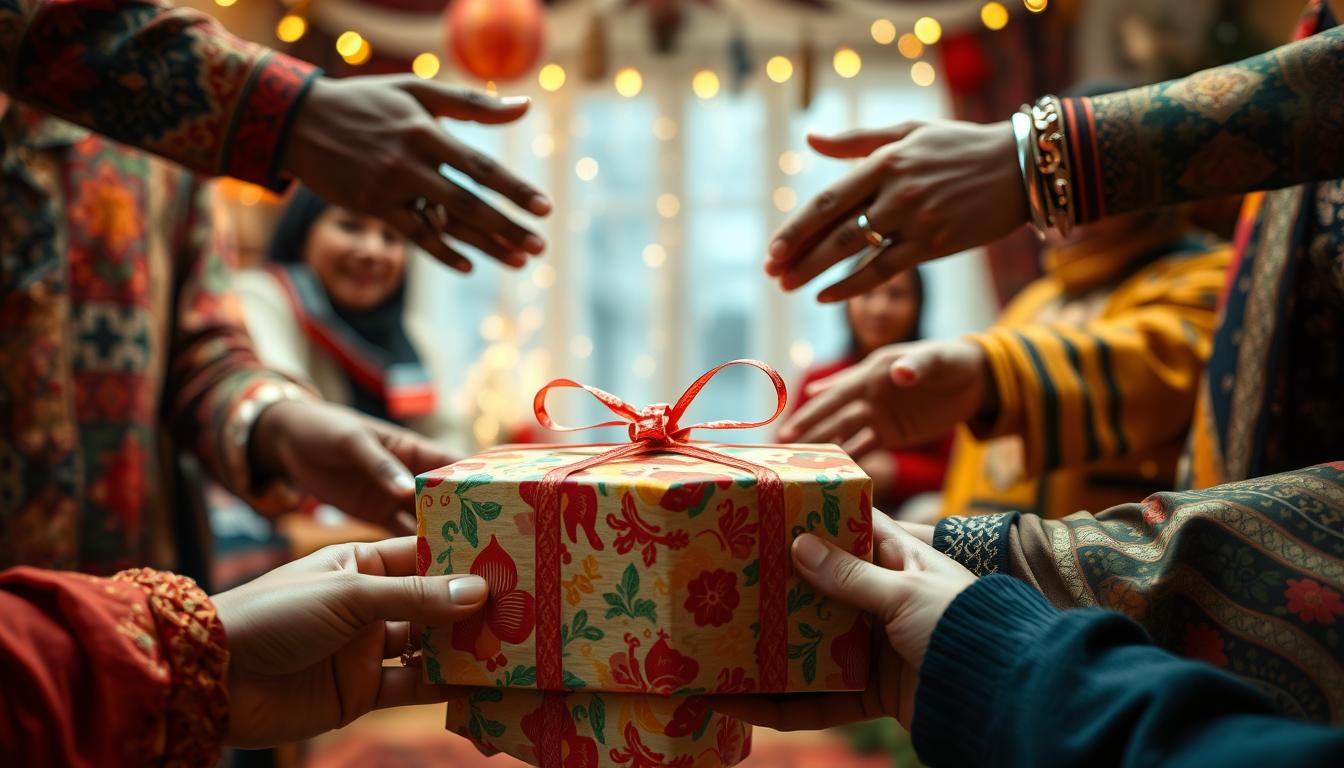
A handshake. A shared meal. An exchanged item. Across the globe, people use various actions to build connections. This universal human practice of offering presents is a powerful form of communication. It speaks a language deeper than words.
Every culture has its own unique customs and protocols. What is considered polite in one country might be a misstep in another. Understanding these differences is crucial. It shows respect and fosters genuine relationships.
This guide explores the fascinating world of these cultural practices. We will journey through different regions to uncover the meanings behind various presents. Whether you are a business professional, a traveler, or part of a multicultural family, this knowledge is essential.
Learning these customs acts as a bridge. It promotes understanding and creates meaningful connections between people from all backgrounds. This comprehensive resource will provide practical tips and deep insights into this beautiful aspect of human interaction.
Key Takeaways
- Exchanging presents is a universal human practice for building connections.
- Customs and meanings vary significantly across different cultures and regions.
- Understanding these practices is essential for global business and travel.
- Respecting cultural protocols fosters deeper understanding and respect.
- This guide provides actionable insights into global customs and etiquette.
Introduction: An Ultimate Guide to Cultural Gift Exchange
From ancient rituals to modern corporate protocols, the practice of offering items has shaped societies worldwide. This universal custom bridges divides and builds meaningful relationships across different backgrounds.
In our interconnected world, understanding these practices is more important than ever. Business professionals, travelers, and multicultural families all benefit from this knowledge. Cultural sensitivity prevents misunderstandings and shows genuine respect.
What works well in one country might cause offense elsewhere. Some cultures value elaborate presentations, while others prefer simple gestures. The timing and manner of exchange also carry significant meaning.
| Region | Common Practices | Important Considerations | Symbolic Meanings |
|---|---|---|---|
| Asia | Two-handed presentation | Color symbolism matters | Respect and harmony |
| Europe | Immediate unwrapping | Modest value preferred | Friendship and equality |
| Middle East | Right hand only | Generosity emphasized | Hospitality and honor |
| North America | Direct exchange | Practical items valued | Thoughtfulness and utility |
“The true essence of cultural exchange lies in understanding the unspoken meanings behind each gesture.”
This comprehensive resource explores everything from seasonal celebrations to business etiquette. You’ll discover how local values influence present selection and reception. The guide covers both traditional customs and contemporary adaptations.
Learning these protocols enhances cross-cultural communication. It transforms simple exchanges into powerful connections that transcend language barriers. Every interaction becomes an opportunity for deeper understanding between people from all walks of life.
The Importance of Gift Giving Traditions in Modern Culture
From prehistoric times to today’s globalized world, the ritual of exchanging meaningful objects has evolved significantly. This practice remains deeply woven into our social fabric.
Historical Context and Evolution
Early societies used symbolic exchanges for practical purposes. These acts established alliances and demonstrated status. They sealed important agreements between groups.
Religious ceremonies and royal courts shaped regional customs. Trade routes spread these practices across civilizations. Each culture developed unique approaches to this tradition.
Industrialization and globalization transformed these customs. Commercial influences created new holiday practices. Yet the core purpose remained unchanged.
Contemporary Relevance in Global Society
Today, these exchanges build trust in business relationships. They facilitate diplomatic connections across cultures. The practice promotes social cohesion in diverse communities.
Modern technology has created digital forms of this tradition. E-commerce enables international sharing of meaningful items. Understanding historical context enhances cultural sensitivity.
This knowledge helps people navigate complex social situations. It shows respect for different cultural values. The practice continues to strengthen human connections worldwide.
Exploring “gift giving traditions” Around the World
From Tokyo’s meticulous wrapping ceremonies to Cairo’s double-layered presentations, global customs reveal fascinating diversity. Each country develops unique approaches that reflect local values and historical influences. These practices serve as windows into cultural priorities.
Despite regional differences, common themes connect cultures across continents. Hospitality, respect, and relationship building appear universally. The symbolic communication of values through material objects transcends language barriers.
Geographical, religious, and economic factors shape distinctive regional approaches. Timing, presentation methods, and item values vary significantly. Understanding these nuances prevents misunderstandings in international contexts.
This global overview establishes the framework for detailed regional explorations. Subsequent sections will examine Asian, European, Middle Eastern, African, and American practices. Researching specific customs remains essential for meaningful exchanges.
The universal practice manifests in culturally specific ways worldwide. Each tradition reflects local values while serving the common human need for connection. This diversity enriches our global understanding.
Asian Gift Giving Practices and Unique Customs
Asian cultures have developed intricate systems of ceremonial exchange that communicate respect and relationship dynamics. These practices vary significantly across the continent, with each country offering distinct protocols.
Gift Etiquette in Japan
Japanese customs emphasize presentation above all. People always use both hands when offering items. The recipient should not open presents immediately in front of the giver.
Special seasons like O-seibo and O-chugen highlight this tradition. There’s a strong expectation to reciprocate with equal or higher value. Valentine’s Day features women giving chocolates to men, while White Day sees men returning the gesture.
Chinese Rituals and Symbols
Chinese protocol involves modest refusal before acceptance. This demonstrates proper manners. Certain items can bring bad luck, such as clocks or sharp objects.
Numerology plays a crucial role. The number eight brings prosperity, while four symbolizes death. During New Year, families exchange mandarins for good fortune.
Indian Cultural Nuances
Indian practices focus on symbolic meanings. People use only the right hand for giving and receiving. This reflects traditional beliefs about cleanliness.
Cash amounts often end with the number one, representing new beginnings. Odd-numbered sums symbolize growth and prosperity for special occasions.
European Gift Giving Traditions: Heritage and Innovation
European cultures showcase remarkable diversity in their approaches to meaningful exchanges. They balance centuries-old customs with modern sensibilities. This creates a fascinating landscape of ceremonial practices.
The continent’s regional differences reflect distinct historical influences and contemporary values. Understanding these nuances enhances cross-cultural interactions.
Western Europe Celebrations
Western European cultures emphasize thoughtful selection over extravagant displays. In France, cultural sophistication guides appropriate choices. Intellectual items like books demonstrate respect for the recipient’s mind.
French protocols include avoiding offerings during first meetings. Flower symbolism carries specific meanings, with chrysanthemums associated with funerals. These subtle details matter greatly.
German customs feature unique birthday practices. The celebrant typically hosts and pays for their own party. Early birthday wishes are considered unlucky in local superstition.
Christmas celebrations highlight regional specialties during the Advent season. Understated elegance characterizes holiday exchanges. The emphasis remains on meaningful connections.
Eastern European Customs
Eastern European practices follow the Orthodox calendar’s rhythm. Christmas observances in early January extend the holiday season. This creates distinct timing for special occasions.
Hospitality holds heightened importance throughout the region. Arriving at someone’s home without an appropriate offering shows poor manners. This reflects deep cultural values.
Italy’s Epiphany tradition features the Befana witch bringing items to children. Regional folklore shapes contemporary practices and family expectations. These unique customs enrich European diversity.
| Aspect | Western Europe | Eastern Europe | Key Differences |
|---|---|---|---|
| Approach Style | Restrained elegance | Warm generosity | Emotional expression level |
| Timing Influence | Gregorian calendar | Orthodox calendar | Holiday season duration |
| Hospitality Focus | Intellectual connection | Personal warmth | Relationship building style |
“Europe’s ceremonial diversity teaches us that meaningful exchanges adapt to cultural contexts while preserving core human connections.”
This comprehensive overview provides essential knowledge for navigating both regional styles. Understanding these differences prevents misunderstandings during special events.
Navigating Gift Expectations in the Middle East & Africa
Hospitality traditions in Middle Eastern and African societies transform simple exchanges into profound expressions of respect. These regions blend ancient customs with modern business practices.
Understanding local protocols prevents misunderstandings and builds stronger connections. Cultural sensitivity shows genuine appreciation for diverse values.
Middle Eastern Gift Etiquette
Islamic customs significantly influence regional practices. During Ramadan, timing matters for greetings and exchanges.
Egypt features a unique double-wrapping tradition for special items. Flowers serve specific purposes—mainly for weddings or illness.
Saudi Arabian restrictions include avoiding gold and silk for men. These rules come from religious teachings about appropriate offerings.
African Traditional Practices
Ghana’s business culture includes year-end Christmas hampers for professional relationships. Presenting with the right hand shows proper respect.
Kenya’s Maasai community practices a distinctive blessing ritual. This traditional custom carries deep spiritual meaning for special events.
Funeral protocols in Ghana demonstrate how these exchanges support colleagues during difficult times. Donations help maintain strong community bonds.
Understanding these diverse approaches helps build meaningful relationships across cultures. Proper protocol shows respect for local values and strengthens international connections. For deeper insights into global cultural practices, explore this comprehensive resource on international customs.
Corporate and Business Gift Etiquette
In business environments worldwide, the exchange of tokens of appreciation must align with legal frameworks and company guidelines. Professional gestures should strengthen connections without creating ethical concerns.
Workplace Gifting Strategies
Selecting appropriate items for colleagues requires careful thought. Modest choices often work best across professional settings.
In Western Europe, artisan chocolates and regional delicacies demonstrate thoughtful consideration. Well-chosen wine or refined desk accessories also make suitable selections.
Timing matters significantly in business contexts. Determine whether to present items during meetings or in social settings outside the office.
Navigating Corporate Policies
Always review your organization’s rules before exchanging any items. Many companies have strict restrictions to prevent bribery concerns.
Countries like Singapore and the United States limit what professionals can accept. Government officials face particularly explicit restrictions.
In Denmark, items exceeding certain value thresholds must be declared to tax authorities. Multinational corporations typically enforce stricter policies than local companies.
Understanding these regulations helps maintain professional relationships while showing appropriate appreciation.
Holiday Season Gift Trends and Timeless Practices
Seasonal celebrations create rhythmic patterns of cultural exchange that vary dramatically by region. The winter months bring distinct approaches to ceremonial exchanges across different societies.
This time of year showcases how cultures preserve ancient customs while adapting to contemporary lifestyles. The holiday season reveals fascinating diversity in timing and approach.
Festive Seasonal Gifts
American practices intensify after Thanksgiving with workplace exchanges between colleagues. The season extends through December with New Year’s celebrations.
Western Europe follows Advent traditions with markets and calendars creating anticipation. Germany maintains St. Nicholas Day observances with community festivities.
Italy features Epiphany celebrations on January 6th when children receive presents. Orthodox Christmas in Eastern Europe extends the holiday period into early January.
Modern Twists on Traditional Customs
Contemporary approaches blend heritage with innovation. Many families now prioritize sustainable options and experience-based presents.
Technology integrates into traditional exchanges through digital calendars and virtual celebrations. These modern twists maintain cultural significance while reflecting current values.
The evolution of seasonal practices demonstrates how societies balance preservation with adaptation. This creates meaningful connections across generations.
| Region | Key Holiday | Timing | Special Features |
|---|---|---|---|
| United States | Christmas/New Year | Late December | Workplace exchanges, post-Thanksgiving start |
| Western Europe | Advent/Christmas | December | Markets, calendars, St. Nicholas Day |
| Eastern Europe | Orthodox Christmas | Early January | Extended season, January 6-7 celebrations |
| Italy | Epiphany | January 6th | Children’s presents, Befana tradition |
Analyzing Cultural Symbols in Gift Exchange
Numbers, colors, and everyday objects hold secret codes that vary dramatically worldwide. These symbolic meanings can transform well-intentioned gestures into unintended messages.
Understanding these hidden codes is essential for meaningful cross-cultural connections. Symbols communicate values and beliefs beyond surface appearances.
Symbolism of Colors, Numbers, and Objects
Numerical symbolism reveals fascinating cultural differences. In China, the number four sounds like “death,” making it unlucky. Sets of four items should be avoided.
India considers odd numbers lucky, especially those ending in one. Russia reserves even-numbered flowers for funerals only.
Color meanings shift across borders. Yellow flowers signify betrayal in Russia. Red ink implies death when writing Korean names.
Green hats suggest infidelity for Chinese men. These color associations stem from historical and linguistic roots.
Common objects carry surprising symbolism. Clocks in China sound like “death.” Handkerchiefs represent tears and sadness in many Asian cultures.
Potted plants suggest illness in Japan. Pears mean separation in Chinese tradition. These meanings often derive from word similarities.
| Symbol Type | Positive Meaning | Negative Meaning | Cultural Context |
|---|---|---|---|
| Number 8 | Prosperity, wealth | N/A | China (sounds like “wealth”) |
| Red Color | Celebration, luck | Death (in names) | South Korea (name writing) |
| Chrysanthemums | N/A | Funerals, death | France, funeral flowers |
| Odd Numbers | Joy, celebration | N/A | Japan (wrapping pleats) |
| Handkerchiefs | N/A | Tears, sadness | Singapore, bad luck |
Researching symbolic meanings prevents cultural misunderstandings. It shows respect for different belief systems worldwide.
This knowledge helps select items that convey positive messages. It strengthens cross-cultural relationships through appropriate choices.
Tips for Avoiding Gift Giving Faux Pas
Even the most thoughtful gesture can cause offense when cultural protocols are misunderstood. Learning what to avoid prevents awkward situations and shows respect for different values. This knowledge transforms potential missteps into meaningful connections.
What to Avoid in Different Cultures
Presentation methods matter greatly across regions. In India, always use your right hand when offering items. The left hand carries negative connotations in many cultures.
Timing errors create particular problems. Never open presents immediately in Japan or Thailand. Wait until you’re in private to examine the contents.
Certain objects bring bad luck in specific cultures. Clocks symbolize death in China due to linguistic similarities. Sets of four items should also be avoided there.
Common Misunderstandings and Errors
Religious sensitivity requires special attention. Never offer alcohol to Muslim families without certainty they drink. Gold and silk are forbidden for men in Saudi Arabia.
Business contexts demand careful consideration. Expensive items might appear as bribes in professional settings. Company logos on presents show poor taste in France.
Calendar differences cause seasonal mistakes. Orthodox Christmas occurs on January 6-7, not December 25th. Early birthday wishes bring bad luck in Germany.
| Region | Common Mistake | Cultural Reason | Safe Alternative |
|---|---|---|---|
| China | Giving clocks or sets of 4 | Sounds like “death” | Fruit baskets or tea |
| Russia | Even-numbered flowers | Reserved for funerals | Odd-numbered bouquets |
| Japan | Opening gifts immediately | Considered impolite | Wait for private moment |
| Saudi Arabia | Gold/silk for men | Religious restrictions | Quality dates or perfume |
| Germany | Early birthday wishes | Bad luck superstition | On-time celebrations only |
Research local customs before any special occasion. Ask trusted contacts for guidance when uncertain. These precautions ensure your gestures build bridges rather than cause misunderstandings.
How Cultural Exchange Shapes Gift Giving Practices
The flow of ideas and people across borders creates dynamic changes in how we honor special occasions. International teams now blend customs when celebrating corporate achievements. This cross-pollination enriches ceremonial practices worldwide.
Globalization fosters hybrid approaches that merge different cultural elements. Professionals learn new protocols through international partnerships. Digital communication enables instant sharing across continents.
Immigration patterns introduce traditional customs to new regions. Multicultural families create unique blended practices. Younger generations honor heritage while embracing global influences.
Tourism exposes people to diverse ceremonial approaches. Cultural curiosity inspires adoption of foreign wrapping techniques or symbolic items. This exchange makes practices more dynamic and personalized.
Technology transforms how we research and share meaningful gestures. Online resources help people understand international protocols. Digital platforms facilitate cross-border exchanges during special events.
These interactions demonstrate how cultural exchange continuously reshapes ceremonial customs. The evolution reflects our interconnected world and shared human experiences.
Inspiring Gift Ideas from Global Cultures
Cultural treasures from different regions offer authentic ways to show thoughtfulness and respect. These meaningful selections celebrate heritage while creating lasting impressions.
Unique Artisan Gifts
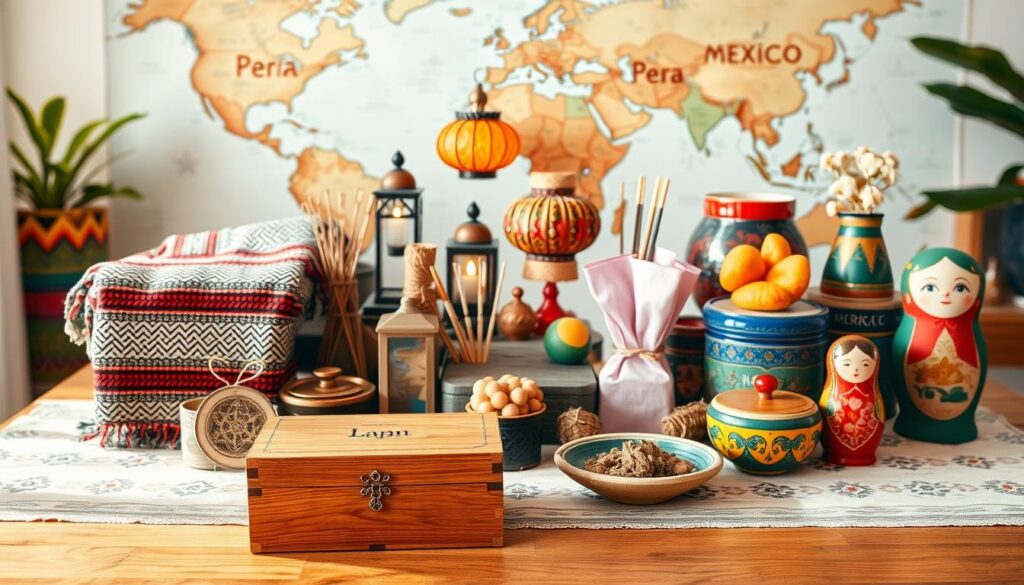
Handcrafted items carry special stories and cultural significance. Japanese ceramics showcase centuries of pottery traditions. Russian lacquered boxes display intricate folk art.
German Christmas market goods highlight regional craftsmanship. Ghanaian woven textiles support local artisans. These unique presents demonstrate genuine appreciation for cultural heritage.
Personalized Keepsakes and Local Treasures
Thoughtful selections combine cultural authenticity with personal meaning. Chinese tea sets honor ceremonial practices. French books on art reflect intellectual appreciation.
Indian spices in decorative containers make practical yet beautiful items. Middle Eastern coffee sets represent warm hospitality traditions. These local treasures create memorable connections with friends worldwide.
For more inspiration on meaningful cultural exchanges, explore these unique traditions and rituals from around the world.
Celebrating Special Occasions Through Gift Giving
Life’s most meaningful moments often receive special recognition through ceremonial exchanges across cultures. These practices mark important transitions and create lasting memories for families and communities.
Milestone Events and Rituals
Weddings showcase fascinating cultural diversity in ceremonial practices. Turkish guests present gold coins sized according to relationship closeness. Egyptian professionals extend offerings to relatives of business connections.
Birth celebrations vary from practical to symbolic. Japanese families receive small tokens when visitors meet newborns. The Maasai community in Kenya performs a traditional blessing ritual for infants.
Funeral customs demonstrate support during difficult times. Ghanaians commonly provide donations when colleagues or family members pass away. Russian practices involve white flowers and even-numbered arrangements.
Birthday expectations differ significantly worldwide. Germans expect the celebrant to host and pay for their own party. Americans focus celebrations entirely on the birthday person.
| Occasion Type | Cultural Example | Key Feature | Symbolic Meaning |
|---|---|---|---|
| Weddings | Turkish gold coins | Relationship-based value | Social connection |
| Births | Japanese omiyage | Small visitor presents | Community welcome |
| Funerals | Ghanaian donations | Financial support | Community solidarity |
| Birthdays | German hosting | Celebrant responsibility | Personal achievement |
Seasonal Celebrations and Family Traditions
Annual events structure ceremonial calendars differently across cultures. Religious occasions like Ramadan involve greeting exchanges appreciated by Egyptian Muslims.
Orthodox Christmas occurs on January 6-7 in Eastern Europe, extending the holiday season. Japanese traditions include O-seibo at year’s end and O-chugen during midsummer.
Italian children receive presents from Befana on Epiphany (January 6th). These seasonal practices create predictable rhythms for families and friends.
“The way we mark life’s passages reveals our deepest values and connects us across generations.”
Professional milestones like graduations and retirements receive recognition in many societies. These transitions acknowledge personal growth and career achievements among colleagues.
Conclusion
Cultural awareness transforms everyday interactions into opportunities for genuine connection and mutual respect. This guide has explored how meaningful exchanges vary across countries while serving universal human needs.
The underlying principles of thoughtfulness and appreciation remain constant worldwide. Researching local protocols and consulting trusted contacts ensures your gestures build bridges rather than cause misunderstandings.
View cultural differences as learning opportunities rather than obstacles. Most people appreciate sincere efforts to honor their customs, even when execution isn’t perfect.
Continue your journey of cultural discovery with curiosity and openness. Each interaction offers a chance to deepen understanding and celebrate our shared humanity across diverse backgrounds.