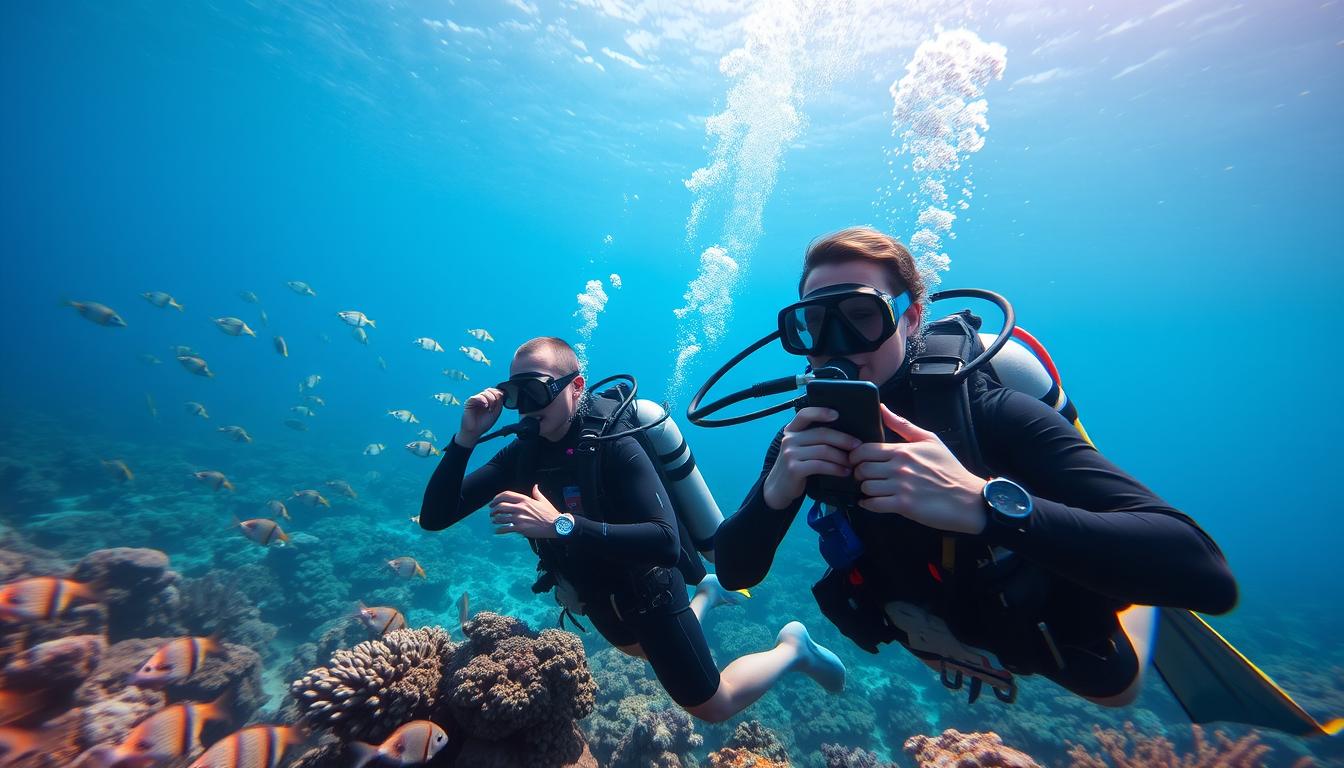
Imagine floating weightlessly, surrounded by colorful fish and mysterious coral formations. This incredible experience is accessible to almost anyone. Learning the fundamentals opens the door to exploring a vast part of our planet.
People from all walks of life are drawn to this activity today. Some seek thrilling adventures, while others find peace in the quiet beauty of marine life. The key to a great experience is proper training.
This guide provides a comprehensive look at starting your underwater journey. We cover essential gear, vital safety rules, and the path to getting certified. Our goal is to build your confidence and skills for a successful first dive.
Standardized practices used by divers around the world make this one of the safest adventure sports. We will address common beginner questions about breathing and using equipment. You will finish with actionable knowledge to begin your certification process.
Key Takeaways
- Scuba diving opens up exploration of the majority of our ocean planet.
- The activity attracts a diverse range of people seeking different experiences.
- Proper, certified training is essential for safety and building confidence.
- This guide covers equipment, safety protocols, and certification processes.
- Standardized global practices make scuba diving a very safe adventure activity.
- The article will help beginners overcome common concerns and fears.
- Fundamental principles remain the same whether in tropical seas or local lakes.
Introduction to Underwater Adventures
Stepping into the underwater domain offers access to landscapes and encounters found nowhere else on our planet. This activity blends thrilling exploration with peaceful meditation in ways that defy comparison.
The ocean’s realm presents endless possibilities for discovery. You can glide through coral cities teeming with colorful fish. Historic shipwrecks tell stories from centuries past. Hidden caves reveal geological formations unseen by most humans.
Each adventure adapts to your comfort level and interests. Some prefer calm, weightless floating among gentle sea creatures. Others seek the adrenaline of encountering majestic sharks or exploring dramatic drop-offs.
| Experience Type | Environment | Skill Level | Key Features |
|---|---|---|---|
| Coral Reef Exploration | Tropical Waters | Beginner | Vibrant marine life, clear visibility |
| Wreck Diving | Various Depths | Intermediate | Historical sites, structural exploration |
| Marine Life Encounters | Open Ocean | All Levels | Animal interactions, behavioral observation |
With over 70% of Earth covered in water, the opportunities span globally. From local lakes to exotic destinations, each location offers unique characteristics. The physical activity provides exercise while the environment promotes mental relaxation.
Many participants develop deep appreciation for ocean conservation through their experiences. They join a worldwide community passionate about protecting marine ecosystems. Proper training makes this incredible world accessible to everyone.
Essential Scuba Diving Basics and Safety Practices
Mastering fundamental safety protocols transforms underwater exploration from a risky endeavor into a secure adventure. Certified instruction provides the knowledge needed for confident marine experiences.
Proper training covers equipment assembly and testing before each excursion. Divers learn to verify all components function correctly. This preparation prevents potential issues during the activity.
Safety practices include comprehensive pre-dive checks and buddy system protocols. Monitoring air supply remains critical throughout every underwater journey. Understanding depth limits ensures controlled ascents.
| Safety Practice | Purpose | Frequency | Key Benefit |
|---|---|---|---|
| Equipment Check | Verify Functionality | Before Every Dive | Prevent Malfunctions |
| Buddy System | Mutual Assistance | Throughout Dive | Enhanced Security |
| Air Monitoring | Supply Management | Continuous | Safe Ascent Planning |
| Marine Interaction | Ecosystem Respect | As Needed | Environmental Protection |
Respectful marine life interaction involves maintaining proper distance. Never touch or disturb underwater ecosystems. This approach preserves natural habitats for future generations.
Air management requires regular pressure gauge checks. Plan ascents with adequate reserve air. Emergency procedures become second nature through repeated practice.
Continuing education throughout a diving career ensures enjoyable experiences. Following established protocols guarantees incident-free adventures beneath the surface.
Overcoming Fears and Building Underwater Confidence
The transition from land to water environments can trigger understandable apprehension in first-time participants. Many people experience natural concerns about breathing techniques and equipment reliability. These feelings are completely normal and can be managed with proper preparation.
Understanding Common Anxieties
Breathing apprehension is a frequent concern since humans are terrestrial creatures. The sensation of regulated air flow feels unusual initially but becomes natural quickly. Most people adapt within minutes of their first attempt.
Marine life encounters often cause unnecessary worry. Education about animal behavior shows most sea creatures are passive observers. Understanding their natural curiosity replaces fear with fascination.
Open water environments can feel overwhelming due to depth and visibility factors. The vastness seems intimidating until you experience the peaceful weightlessness. This sensation typically converts anxiety into excitement.
Tips for Staying Calm Underwater
Focus on slow, deep breathing to regulate your heart rate. This simple technique reduces anxiety significantly. Controlled respiration creates mental clarity during the dive experience.
Spend extra time in shallow water during training sessions. Gradual exposure builds comfort at your own pace. This approach allows nervous individuals to develop confidence naturally.
Communicate openly with your instructor about specific concerns. They can modify training methods to address personal anxieties. Supportive guidance ensures a positive first scuba diving experience.
Most participants find their fears diminish rapidly once they enter the water. The peaceful environment and weightless sensation create unexpected relaxation. This transformation makes subsequent dives increasingly enjoyable.
Choosing the Right Scuba Diving Equipment
The right equipment choices can make the difference between a challenging experience and an enjoyable adventure beneath the surface. Proper gear selection ensures comfort, safety, and optimal performance during underwater excursions.
Overview of Basic Gear: Mask, Fins, and BCD
Essential equipment includes three fundamental pieces. The mask provides clear vision and must fit securely without gaps. Proper fit allows for easy pressure equalization and water clearing.
Fins deliver efficient propulsion with minimal effort. A comfortable fit prevents blisters while maximizing movement through the water. The BCD (Buoyancy Control Device) is an inflatable vest that manages flotation.
This crucial device lets you add or release air to achieve neutral buoyancy. Most training facilities provide rental equipment but recommend purchasing personal mask and fins for perfect fit.
Understanding Tanks, Regulators, and COVID Requirements
Tanks are high-pressure cylinders containing compressed air or gas mixtures. The standard international size is 12 liters, with 15-liter tanks available for those needing more air. Modern tanks use lightweight aluminum instead of heavy steel.
The regulator is a critical piece that reduces tank pressure to breathable levels. Quality models from manufacturers like Aqua Lung and Scuba Pro provide smooth airflow at any depth. Always verify destination requirements, including COVID vaccinations for locations like Indonesia.
| Equipment Type | Primary Function | Key Features | Fit Considerations |
|---|---|---|---|
| Mask | Underwater Vision | Water clearing, pressure equalization | Secure seal, comfortable skirt |
| Fins | Efficient Propulsion | Thrust power, maneuverability | Snug heel, proper length |
| BCD | Buoyancy Control | Air inflation, weight integration | Comfortable vest, easy controls |
| Tank | Air Supply | Capacity, material, pressure | Proper mounting, balanced weight |
Understanding each piece of equipment ensures you make informed choices. This knowledge prepares you for rental decisions and future purchases.
Preparing Physically and Mentally for Your Dive
Getting ready for your first dive involves more than just learning equipment operation. Proper preparation ensures you can handle the physical demands and stay calm underwater. This foundation makes your training more effective and enjoyable.
Swimming and Fitness Requirements
You don’t need to be an Olympic swimmer to enjoy scuba diving. Basic comfort in the water and reasonable swimming ability are sufficient. Certification courses have specific requirements to ensure safety.
During your scuba certification, you’ll complete two swimming tests. First, you must float or tread water for 10 minutes without any flotation aids. You can use any technique that keeps you afloat comfortably.
The second test involves swimming 200 meters without stopping. If you wear a mask, fins, and snorkel, the distance increases to 300 meters. There’s no time limit, and you can use any swimming strokes.
| Requirement | Test Details | Equipment Allowed | Purpose |
|---|---|---|---|
| Water Comfort | 10-minute float/tread | None (no aids) | Basic water confidence |
| Swimming Ability | 200-300 meter swim | Mask/fins/snorkel optional | Endurance assessment |
| Health Check | Medical evaluation | N/A | Safety clearance |
Honesty about your health is crucial for dive safety. The activity requires physical exertion, especially against currents. While athletic ability isn’t necessary, reasonable fitness makes the experience more pleasant.
Some medical conditions require physician approval before scuba training. Conditions like asthma, heart issues, or recent surgeries need evaluation. Review medical questionnaires before enrolling to ensure you’re ready.
How to Start Your Scuba Certification Journey
Your journey to becoming a certified diver begins with the essential Open Water Diver certification. This credential serves as your passport to underwater exploration worldwide. It validates your skills and knowledge to dive centers and operators globally.
The typical certification process takes four to seven days to complete. However, many programs offer flexible scheduling to accommodate different learning paces. This allows you to progress comfortably through the material.
Overview of the Open Water Diver Course
The Open Water Diver course follows a structured three-part approach. First comes knowledge development covering equipment and safety procedures. Next, confined water sessions in pools build practical skills.
Finally, open water dives let you apply everything in real environments. The course uses mastery-based learning, meaning you advance only when ready. This method builds genuine confidence in your abilities.
Online Learning vs. In-Person Training
Most dive centers now offer digital learning options like PADI eLearning. This allows you to study theory at home using computers or mobile devices. You can complete knowledge development at your own pace.
Some facilities still provide traditional classroom sessions for those preferring face-to-face instruction. Both methods lead to the same certification outcome. The choice depends on your personal learning style.
Upon completion, you receive credentials recognized by dive operators worldwide. This certification opens doors to equipment rental, dive trips, and marine exploration across the globe.
Mastering Buoyancy and Underwater Control
Achieving perfect balance underwater transforms your diving experience from a workout into a graceful dance. This crucial skill lets you hover effortlessly at any depth without sinking or floating upward. Proper buoyancy control creates a peaceful, efficient movement through the water.
Techniques for Effective Buoyancy Control
Understanding the three buoyancy states is essential. Positive buoyancy makes you float upward, while negative buoyancy causes sinking. The goal is neutral buoyancy – hovering comfortably without movement.
Mastering this skill protects delicate marine ecosystems. It prevents accidental contact with coral reefs and sensitive environments. Good control also conserves your air supply, extending dive time significantly.
Techniques include proper weighting and controlled breathing. Inhaling deeply makes you rise slightly, while exhaling helps you descend. Your BCD allows fine air adjustments for perfect balance.
Skills improve through practice during each dive. Most people see significant progress within their first 10-20 dives. Factors like wetsuit compression and tank weight affect your buoyancy throughout the dive.
Advanced courses like PADI Peak Performance Buoyancy help refine this critical skill. Excellent control distinguishes experienced divers and improves underwater photography. It creates more enjoyable observations of marine life.
Scuba Diving in Different Environments
From tropical reefs to cold-water kelp forests, the variety of dive sites around the globe offers something for every level of experience. Each environment presents unique conditions that affect your planning and equipment choices.
Open Water Dives and Site Variations
Your certification journey starts with controlled depth progression. Initial dives reach 12 meters (40 feet), building confidence before advancing to the maximum training depth of 18 meters (60 feet).
Open water locations vary dramatically. Oceans, lakes, and quarries each have distinct characteristics. Visibility can range from crystal-clear tropical waters to murky conditions with limited sightlines.
Current conditions significantly impact dive difficulty. Drift diving requires different techniques than calm-water excursions. Altitude diving in mountain lakes needs special training due to pressure differences.
Tips for Cold Water and Tropical Dives
Tropical waters above 24°C (75°F) allow for light gear like thin wetsuits or rash guards. These conditions typically support longer, more comfortable dives with excellent visibility.
Cold water diving below 15°C (60°F) demands thicker insulation. Divers often use drysuits and need more experience. Thermal considerations usually result in shorter dive times.
Researching site conditions before your trip ensures proper preparation. Seasonal variations and marine life encounters should guide your equipment choices and experience level.
Advanced Tips for a Safe and Enjoyable Dive
The most skilled practitioners understand that meticulous preparation separates ordinary adventures from extraordinary ones. Developing consistent habits ensures every underwater experience remains secure and memorable.
Handling Equipment and Managing Air Supply
Before entering the water, complete a thorough safety check using the BWRAF system. This acronym stands for BCD, Weights, Releases, Air, and Final check. Each component must function perfectly.
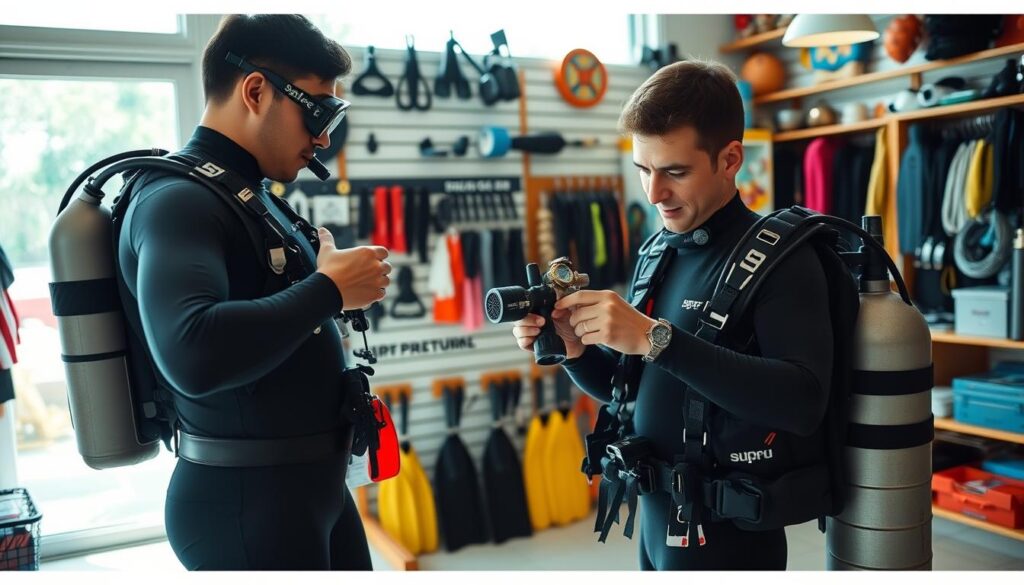
Proper air management follows the rule of thirds. Use one-third for descent and exploration, one-third for return, and keep one-third as reserve. Monitor your pressure gauge regularly throughout the experience.
| Safety Check | Procedure | Frequency | Critical Importance |
|---|---|---|---|
| BCD Inspection | Verify inflation/deflation | Before each dive | Buoyancy control |
| Weight System | Check secure placement | Pre-dive ritual | Proper weighting |
| Air Supply | Tank pressure verification | Continuous monitoring | Breathing safety |
| Final Overview | Complete gear assessment | Entry preparation | Total readiness |
Practice equipment assembly until it becomes automatic. This repetition builds muscle memory for safe operations. Always maintain a minimum pressure of 500 psi in your tank.
Slow, deep breathing maximizes air efficiency and promotes relaxation. This technique extends your underwater time significantly. Proper gear maintenance after each use ensures long-term reliability.
The Role of Certification and Further Training
With certification complete, a world of specialized training and advanced experiences awaits. Your initial credential serves as a foundation for lifelong learning in marine exploration.
The Open Water Diver certification remains valid forever. It grants access to equipment rental and dive adventures worldwide. This credential allows you to explore depths up to 18 meters with a buddy.
Next Steps After Becoming an Open Water Diver
Gaining practical experience through regular excursions is the most valuable next step. Each dive builds confidence and refines your fundamental abilities. Many choose to continue their education with advanced courses.
| Certification Level | Maximum Depth | Key Benefits | Popular Specialties |
|---|---|---|---|
| Open Water Diver | 18 meters / 60 feet | Global access, equipment rental | Basic recreational diving |
| Advanced Open Water | 30 meters / 100 feet | Enhanced skills, varied environments | Wreck, night, deep diving |
| Rescue Diver | 30 meters / 100 feet | Emergency management, safety focus | Prevention techniques |
Exploring Specialty Courses and Advanced Open Water Training
The Advanced Open Water course introduces different diving types while improving your capabilities. It increases the maximum depth to 30 meters. This training combines skill development with new underwater experiences.
Specialty courses typically require 2-4 dives and cover specific interests. Popular options include Nitrox diving for extended bottom times and wreck exploration. Night diving reveals unique marine behaviors unseen during daylight.
Continuing education keeps skills current and opens challenging sites. Some pursue professional levels like Divemaster or how to become a scuba diver instructor. Each course builds toward greater confidence and safety awareness.
Conclusion
Joining the global community of certified enthusiasts provides access to marine environments worldwide. This guide has covered essential scuba diving basics to start your underwater journey with confidence.
Proper training transforms this activity into one of the safest adventure sports. Understanding equipment and mastering fundamental skills ensures enjoyable dives for people of all backgrounds.
Certification courses take just a few days but offer credentials valid for life. They open doors to exploring over 70% of our planet’s surface. Each dive builds experience for more challenging environments.
Take the first step today by contacting local centers or trying introductory programs. You’ll join millions who share incredible underwater adventures while protecting marine ecosystems.