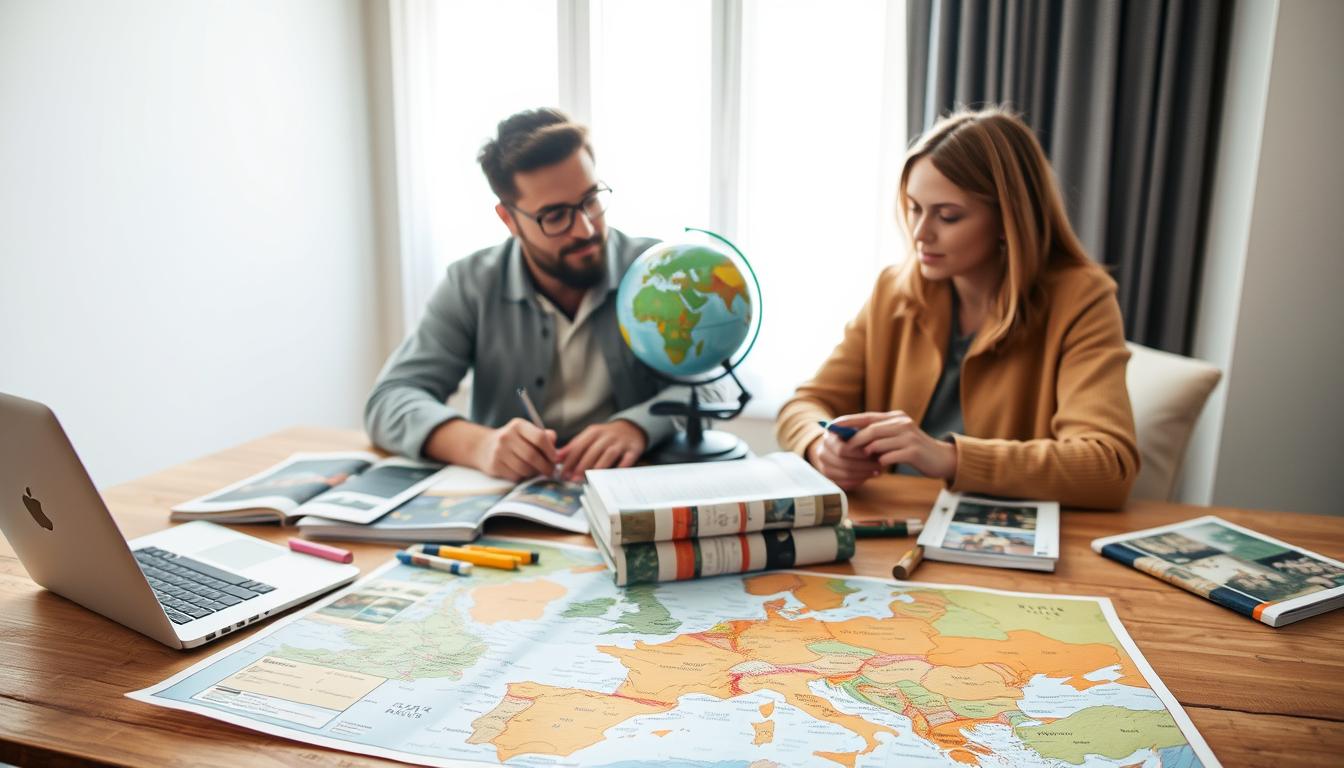
Dreaming of your next great adventure doesn’t have to mean draining your savings. Many people think a tight budget limits their travel options. However, with a smart strategy, you can have rich experiences without a huge price tag.
This guide shares practical methods used by seasoned explorers. These approaches help you get the most value from every dollar. The goal is to create a journey that feels both comfortable and authentic.
Whether you are organizing your first big trip or are a frequent traveler, these insights are for you. They cover everything from the first spark of an idea to managing your days on the road. The focus is on flexible frameworks, not rigid rules, so you can build an itinerary that truly fits your dreams and your wallet.
Key Takeaways
- A limited budget does not have to mean limited travel experiences.
- Smart strategies can maximize value while maintaining comfort.
- Learn from proven trip planning methods used by experienced travelers.
- The advice applies to both first-time and frequent travelers.
- Flexible frameworks help you create a personalized and affordable journey.
- Avoid common pitfalls that can disrupt even the best-laid plans.
- Transform abstract travel dreams into a concrete, achievable reality.
Getting Started: Defining Your Travel Goals
Before you search for a single flight, the crucial first step is to look inward. Solid trip planning starts with defining your personal objectives. This self-reflection transforms a vague idea into a purposeful journey.
Experts recommend you ask yourself five fundamental questions. Why are you going? Where do you want to go? When? How long will you be gone? What do you want to see? Answering these questions provides a clear framework for your entire trip.
Identifying Your Travel Priorities
The type of travel you envision shapes every decision. Is this a sightseeing tour, a visit with friends, or a work-leisure blend? Each style demands a different approach to accommodations and scheduling.
Asking the Right Questions to Shape Your Trip
Understanding your “why” is powerful. It guides you when making trade-offs. Your goal might be relaxation, adventure, or cultural immersion. Defining this early ensures your final travel experience meets your deepest expectations.
Establishing a Budget and Understanding Your Travel Style
Effective travel preparation requires balancing financial realities with the type of experiences that truly resonate with you. This approach ensures your money supports what matters most during your journey.
Setting Financial Limits for a Cost-Effective Trip
Establishing a realistic spending limit early prevents financial stress from overshadowing your adventure. Be honest about what you can comfortably afford without creating hardship after returning home.
This honest assessment forms the foundation of smart trip planning. It guides all subsequent decisions about destinations, accommodations, and activities.
Matching Your Travel Style With Budget Considerations
Your personal travel style significantly influences how you should allocate funds. Some people prioritize gourmet dining, while others value luxurious accommodations.
Identify your non-negotiables versus areas where you can compromise. For example, if you dislike camping at home, don’t book a camping-focused trip expecting different results abroad.
Aligning your budget with genuine preferences creates more satisfying experiences. This thoughtful approach makes every dollar feel well-spent on your journey.
Researching Destinations and Finding Inspiration
Effective destination research transforms overwhelming choices into manageable options through systematic exploration. Gathering diverse ideas helps you discover places that match your interests and budget.
Start by collecting inspiration from multiple sources. This approach ensures you consider various perspectives before making decisions.
Using Guidebooks, Blogs, and Local Resources
Traditional guidebooks provide comprehensive overviews of potential destinations. While digital options abound, physical books offer curated content that helps orient travelers.
Maintain a running bucket list of interesting places. Add destinations whenever you read compelling articles or receive recommendations.
Online search strategies yield better results when you use specific terms. Instead of generic queries, try “affordable European cities with great food” or “southeast Asia backpacking routes.”
| Research Method | Best For | Key Advantage | Consideration |
|---|---|---|---|
| Guidebooks | Comprehensive overviews | Curated content | Check for objectivity |
| Travel Blogs | Personal experiences | Real-world insights | Find writers with similar style |
| Social Media | Visual inspiration | Current trends | Verify authenticity |
| Local Resources | Authentic experiences | Cultural depth | Language barriers |
Flight search tools like Google Flights’ map function help visualize costs to multiple destinations simultaneously. This research method can reveal unexpected affordable options.
Balance popular attractions with local favorites during your investigation. This approach creates distinctive memories beyond standard tourist checklists.
vacation planning tips: Essential Strategies for Smart Trips
The success of any travel endeavor hinges on implementing practical strategies from the earliest stages of preparation. These approaches help you navigate the complexities of organizing your journey while staying within financial boundaries.
Step-by-Step Preparations for Budget-Friendly Vacations
Begin your planning trip process by establishing clear objectives and financial limits. This foundation guides all subsequent decisions about destinations and activities.
Research potential locations thoroughly before committing. Compare costs across different options to find the best value for your planned trip. Early booking often secures better rates for flights and accommodations.
Create a logical sequence for your preparations. Define goals, select destinations, book transportation, then arrange daily activities. This systematic approach prevents overlooked details.
Key Considerations When Planning on a Budget
Different journey types require customized approaches. Visiting people demands coordination with hosts’ schedules, while work-focused trips prioritize reliable internet and workspace.
“The best itineraries balance structure with spontaneity, allowing for both planned experiences and unexpected discoveries.”
Consider your energy levels when creating schedules. Ambitious plans can exhaust travelers, reducing enjoyment. Build rest periods into your itinerary.
| Trip Type | Primary Focus | Key Planning Consideration | Budget Strategy |
|---|---|---|---|
| Visiting People | Social connections | Host schedule coordination | Flexible activity budget |
| Work-Travel Blend | Productivity + exploration | Internet reliability | Priority workspace costs |
| Pure Tourism | Sightseeing | Attraction availability | Off-season travel |
| Multi-Destination | Varied experiences | Transportation logistics | Bundle transportation |
Pressure-test your initial ideas against practical constraints. Ensure your budget includes emergency funds and verify attraction operating hours. Smart preparation creates smoother experiences.
Choosing the Right Accommodation Options
Selecting where you stay is a critical decision that directly impacts your daily experience and budget. The best choice often depends on the length of your trip and your personal needs.
Matching your lodging to your itinerary ensures comfort and maximizes your time exploring.
Hotels for Short Stays and Ease of Travel
For trips lasting just a night or two, a hotel usually offers superior convenience. The benefits shine when you have limited time in a place.
Easy check-in, luggage storage, and on-site dining save valuable hours each day. These features let you focus on your journey instead of logistics.
Solo travelers gain significant peace of mind from the security and immediate assistance a staffed hotel provides.
Rental Properties for Extended Visits and Comfort
Stays longer than a few nights often call for a rental property. This is especially true when traveling with other people.
You get separate living and sleeping areas, a kitchen, and laundry facilities. These amenities are invaluable for a week-long stay.
Always prioritize a central location. Being close to attractions saves energy and time on multiple daily trips.
Verify high-speed internet with the host before booking. A comfortable workspace is also essential for longer visits.
Crafting an Itinerary That Balances Work and Leisure
A well-designed daily plan serves as your roadmap to experiencing both must-see attractions and authentic local moments. This approach transforms your travel days from chaotic rushing to meaningful exploration.

Scheduling Daily Activities and Real Meals
When building your daily itinerary, consider one proper sit-down meal as an anchor point. This two-hour break allows proper relaxation and digestion. Quick snacks can cover other food needs throughout the day.
Most travelers comfortably manage two main activities per day. Limit museum visits to one daily to avoid cognitive overload. Combine this with a non-museum attraction for balanced experiences.
Always factor in transit time between locations. What appears close on a map might require significant travel. Realistic scheduling prevents rushing through visits.
Allowing Time for Spontaneous Local Experiences
Build unscheduled blocks into your planned trip for spontaneous discoveries. These moments often become trip highlights. You might stumble upon local festivals or follow a resident’s recommendation.
Proper pacing prevents exhausting yourself early in the trip. Over-ambitious schedules lead to missed experiences and reduced enjoyment. Balance structure with flexibility for optimal travel days.
Remember that excitement often provides extra stamina, but don’t push beyond reasonable limits. Your itinerary should enhance, not drain, your energy throughout the journey.
Strategic Transportation and Daily Scheduling
Smart movement planning transforms travel from stressful logistics to seamless exploration. Your choices about how you move between locations directly impact your available activity time and overall trip enjoyment.
Selecting the right base location is crucial for regional exploration. Choose towns with easy access to surrounding attractions and essential amenities within walking distance. This approach minimizes daily transit time and maximizes your experience.
Understanding Transportation Options and Timing
Research all available transportation methods before your journey. Compare costs, convenience, and scheduling constraints for each option. Public transit often provides the most affordable way to navigate a city.
Strategic scheduling groups activities by geographic area to reduce backtracking. This approach saves valuable time that would otherwise be spent in transit. Always account for local rush hours and transit schedules.
| Transport Type | Best For | Time Considerations | Cost Factor |
|---|---|---|---|
| Public Transit | City exploration | Fixed schedules | Most affordable |
| Car Rental | Regional flexibility | Traffic patterns | Parking fees add up |
| Ride-Sharing | Short distances | Immediate access | Surge pricing risks |
| Walking/Biking | Local immersion | Weather dependent | Minimal cost |
Always have backup transportation plans for unexpected changes. Download offline maps and keep emergency funds for alternative options. This preparation ensures your travel days remain smooth regardless of challenges.
Understanding the last train times or bus routes prevents being stranded far from your accommodation. Proper timing research makes each trip day more efficient and enjoyable.
Leveraging Local Resources and Expert Advice
Local expertise can transform a standard trip into an unforgettable cultural journey. Your first stop should be the official tourist office, where staff provide free guidance on attractions and events.
Experiences vary—some staff offer creative ideas tailored to your interests, while others stick to standard recommendations. Either way, they’re valuable for initial orientation.
Insights From Tourist Offices and Local Concierges
Hotel concierges and front-desk people also offer insider knowledge. Always tip them for their assistance, but remember their suggestions might include paid partnerships.
To get beyond generic advice, ask specific questions about your interests. Instead of “what should I do,” try “I love medieval history—what would you recommend?” or “Do you have information on biking tours?”
These professionals often miss limited-time opportunities, requiring additional research. For deeper discoveries, try these methods:
- Search local event calendars using translation tools for native-language content
- Check area magazines and newspapers for current listings
- Look for posters in public spaces announcing special exhibits and performances
- Take local classes where you’ll meet residents rather than tourists
Platforms like Meetup.com and Eventbrite list regular community activities. These range from language exchanges to hiking groups, letting you participate in authentic local life.
Social media searches reveal current trends and hidden gems. Instagram and Pinterest show visual inspiration that supplements traditional recommendations.
Grass-roots research in the local language uncovers dramatically more options. Many businesses and events never create English content, assuming their audience speaks the native tongue.
Fine-Tuning Trip Details and Overcoming Common Pitfalls
Even the most carefully crafted itinerary benefits from a final review to catch overlooked details and prepare for the unexpected. This final stage of planning ensures your travel days run smoothly.
A common mistake is relying solely on U.S.-centric apps like Yelp. In many destinations, local businesses use different platforms. This reliance often leads tourists to crowded, inauthentic places.
Instead, search local food blogs or social media for current trends. Use translation tools to read reviews in the local language. For groceries, stick to major chains for safety and convenience.
Adjusting Plans for Unexpected Changes
Flexibility is key to a successful trip. Weather, closures, or strikes can disrupt even the best planning. Have backup indoor activities ready if an outdoor trip gets canceled.
Build buffer time and a small financial cushion into your schedule. This helps with unexpected costs like extra transportation or replacing forgotten things. A missed train can become a chance to explore a new area.
Stay open to local advice once you arrive. Residents often suggest the best places and experiences. For strategies for a smoother journey, consider all aspects of your travel.
Confirm reservations and check attraction hours a few days before you go. This simple step prevents disappointment and makes your travel experiences more reliable.
Conclusion
Creating memorable travel experiences on a budget is an art that combines strategy with spontaneity. The best ways to approach your journey involve balancing careful preparation with room for unexpected discoveries.
Thoughtful planning travel transforms distant dreams into achievable adventures. Each destination offers unique opportunities to cross items off your bucket list while discovering hidden gems.
Your next vacation can be both affordable and extraordinary. These approaches help you create trips that feel rich in experience without straining your budget. The journey itself becomes part of the reward.